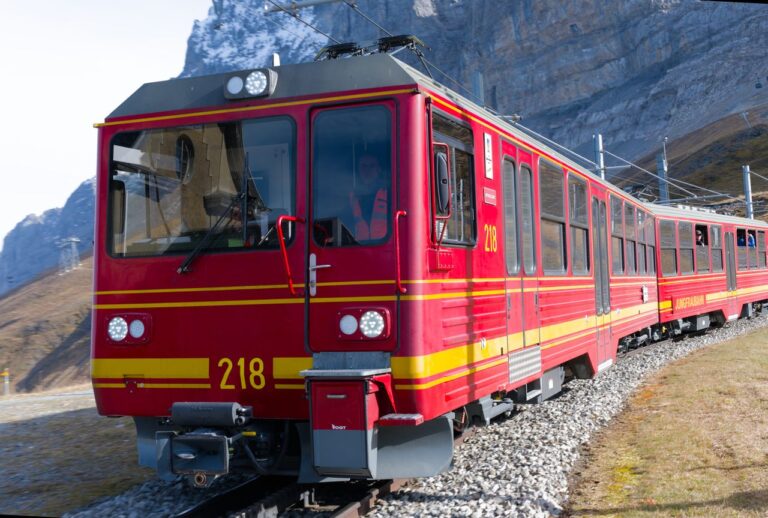
10 Best Hotels Near Jungfraujoch Railway (Top of Europe)
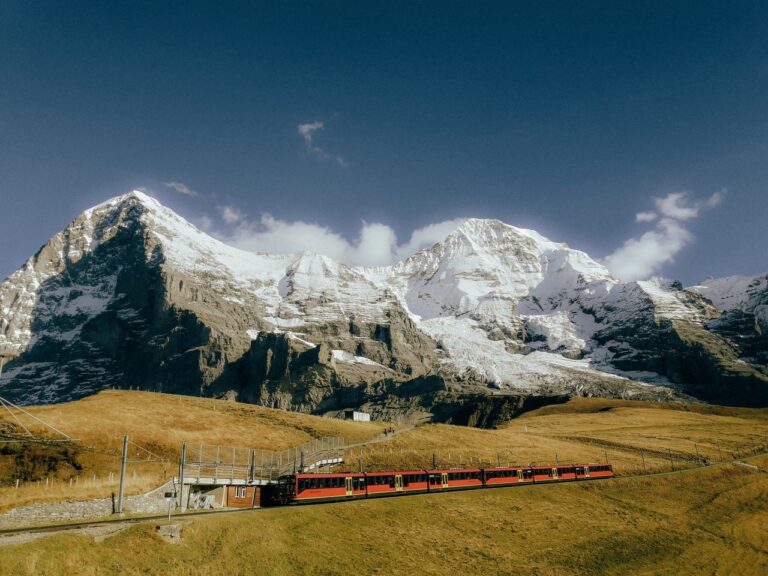
If you’re planning a visit to Jungfraujoch Railway you’ll need to decide where to stay before making the journey up…
Read more → ShinyVisa
Europe is one of the most rewarding regions in the world for travelers, with historic cities, unforgettable food, mountain scenery, festive winter destinations, and an endless variety of travel experiences. Whether you are planning your first Europe trip, looking for city itineraries, or choosing between iconic destinations like Paris, Rome, London, and Switzerland, this Europe travel guide brings together the best articles, hotel reviews, and planning resources to help you build your trip.
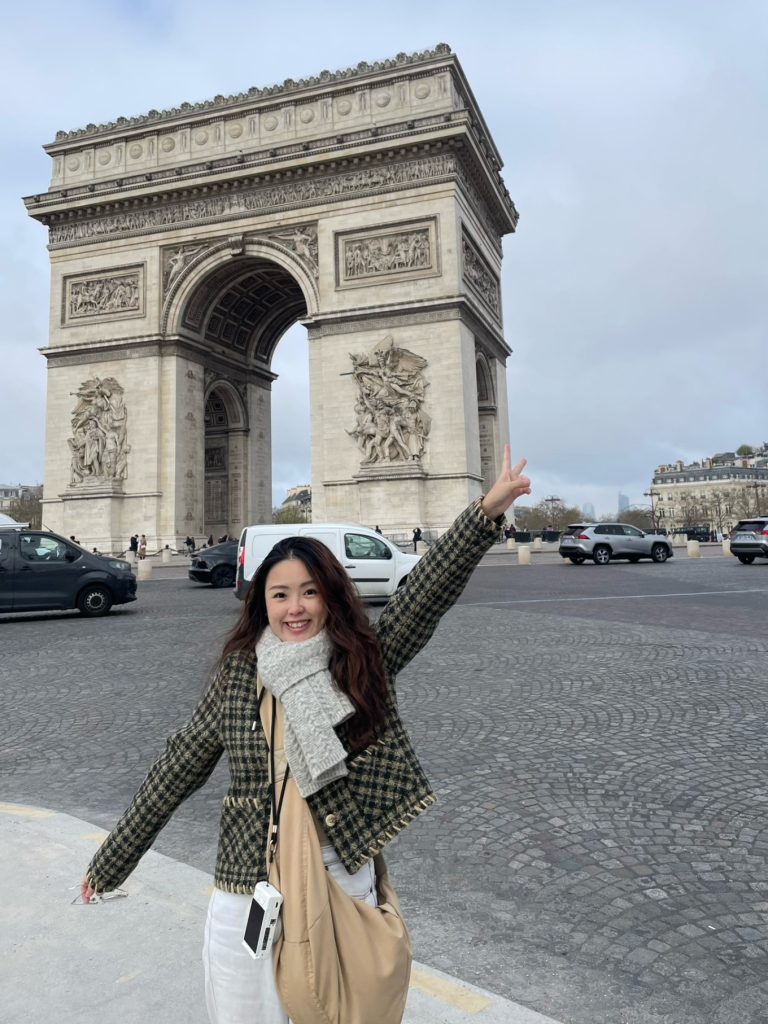
Discover the top destinations across Europe—from iconic cities to scenic mountain regions. Our guides cover the best cities to visit, weekend ideas, shopping inspiration, and broad Europe travel content.
If you’re planning a visit to Jungfraujoch Railway you’ll need to decide where to stay before making the journey up…
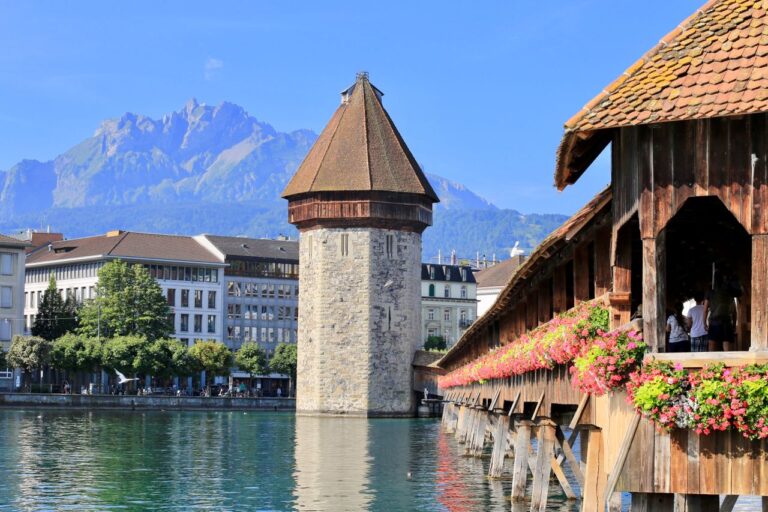
Read more →Looking for accommodation in Lucerne, Switzerland? Lucerne isn’t a big city, but choosing where to stay makes a huge difference…
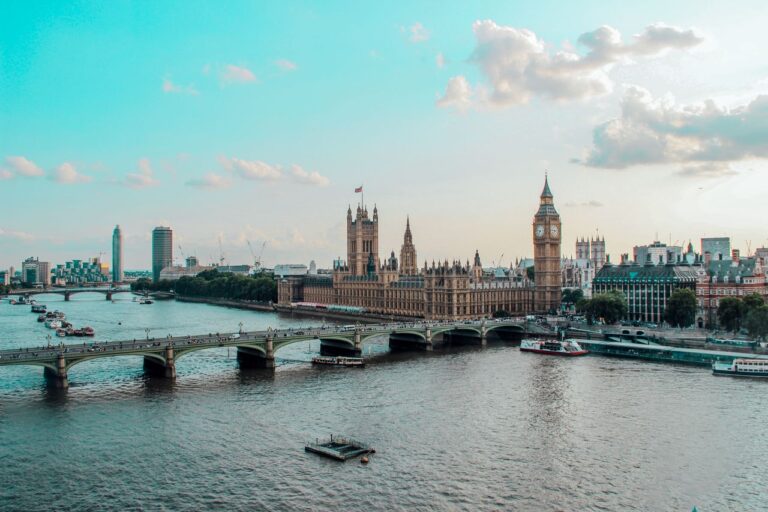
Read more →London is one of the most Muslim-friendly cities in the world. From thousands of halal restaurants and plentiful mosques, to…
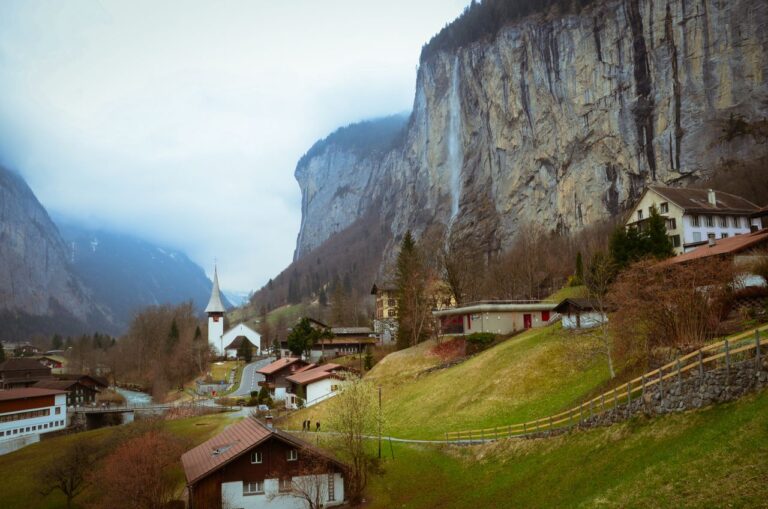
Read more →Lauterbrunnen Valley Or Grindelwald? One of the questions we get here at Jungfrau Region Travel is where to stay: Lauterbrunnen…
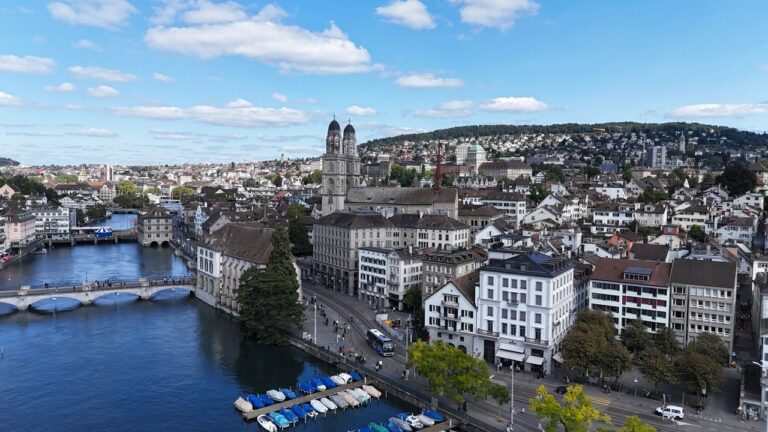
Read more →Searching for Zurich’s best budget and family-friendly hotels? Whether you are visiting Europe’s largest city for the weekend, flying into…
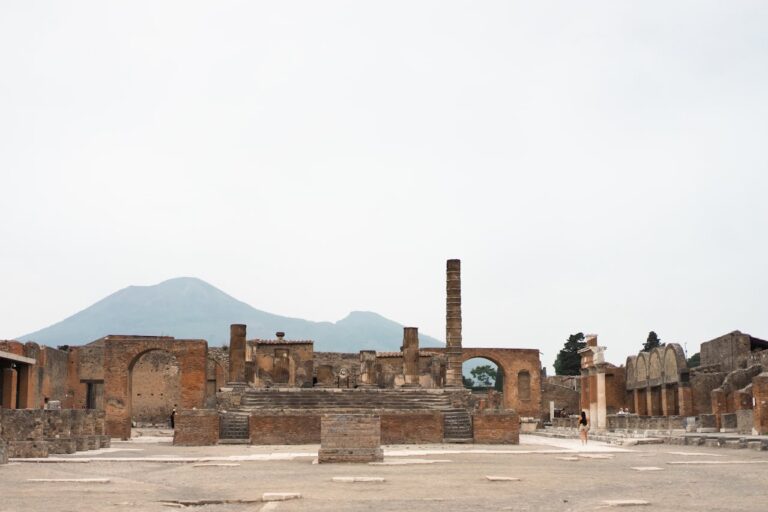
Read more →Planning a trip to Italy? You have likely heard of Pompeii while researching day trips from Naples, the Amalfi Coast,…
Read more →Final Verdict: Where Should You Stay in Paris? Visit the 7th arrondissement if: This is your first trip. You’ll never…
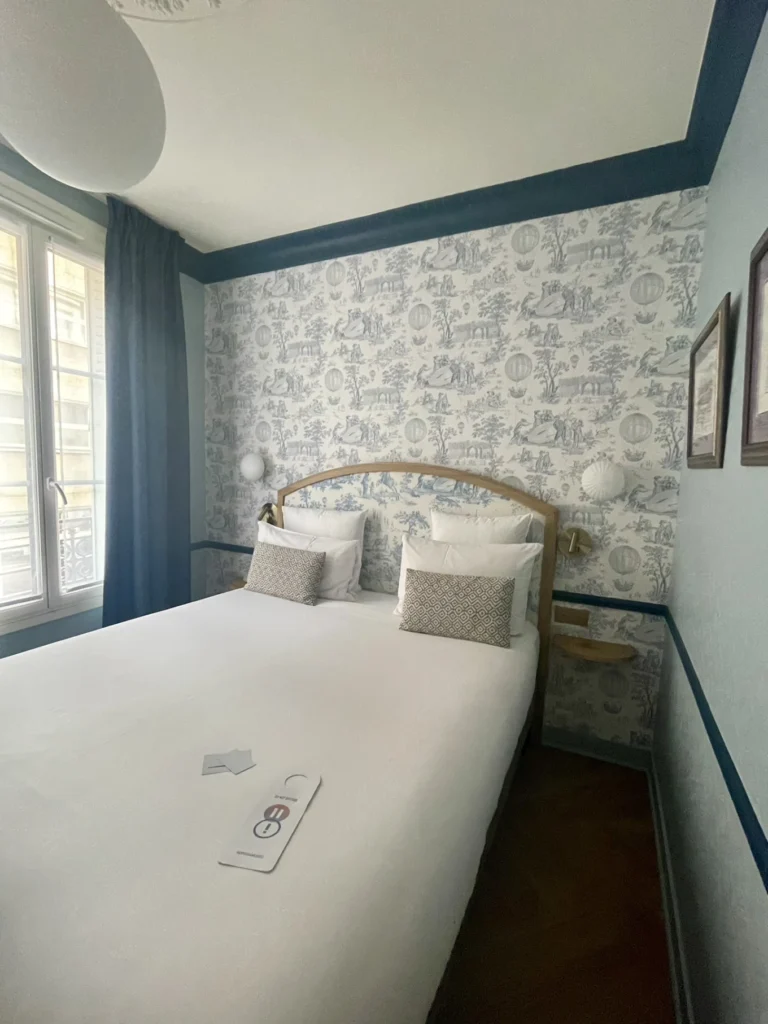
Read more →Searching for a hotel in Paris? Hôtel De Neuve by HappyCulture often comes up. The hotel’s location is in Paris’s…
Read more →Paris itineraries, the Eiffel Tower, Louvre Museum, river cruises, shopping guides, and hotel reviews—our France and Paris content to help you plan your trip.
Final Verdict: Where Should You Stay in Paris? Visit the 7th arrondissement if: This is your first trip. You’ll never…
Read more →Searching for a hotel in Paris? Hôtel De Neuve by HappyCulture often comes up. The hotel’s location is in Paris’s…
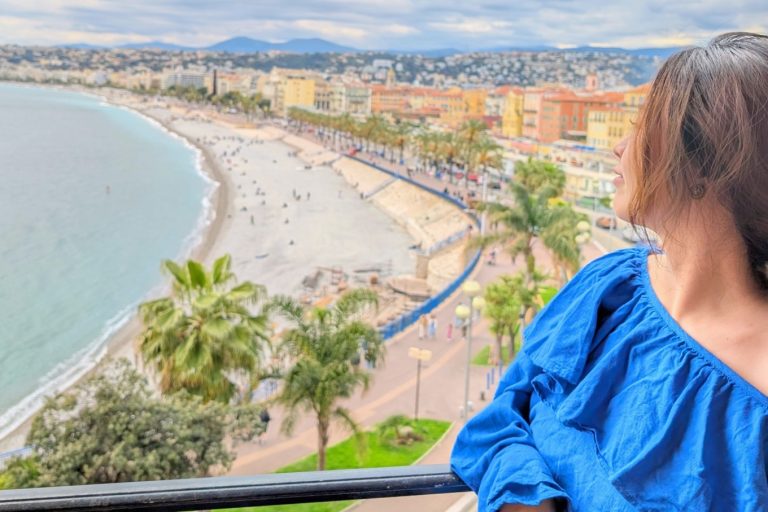
Read more →The only hotel in Nice that can provide uninterrupted views of the Baie des Anges (Bay of Angels) is none…
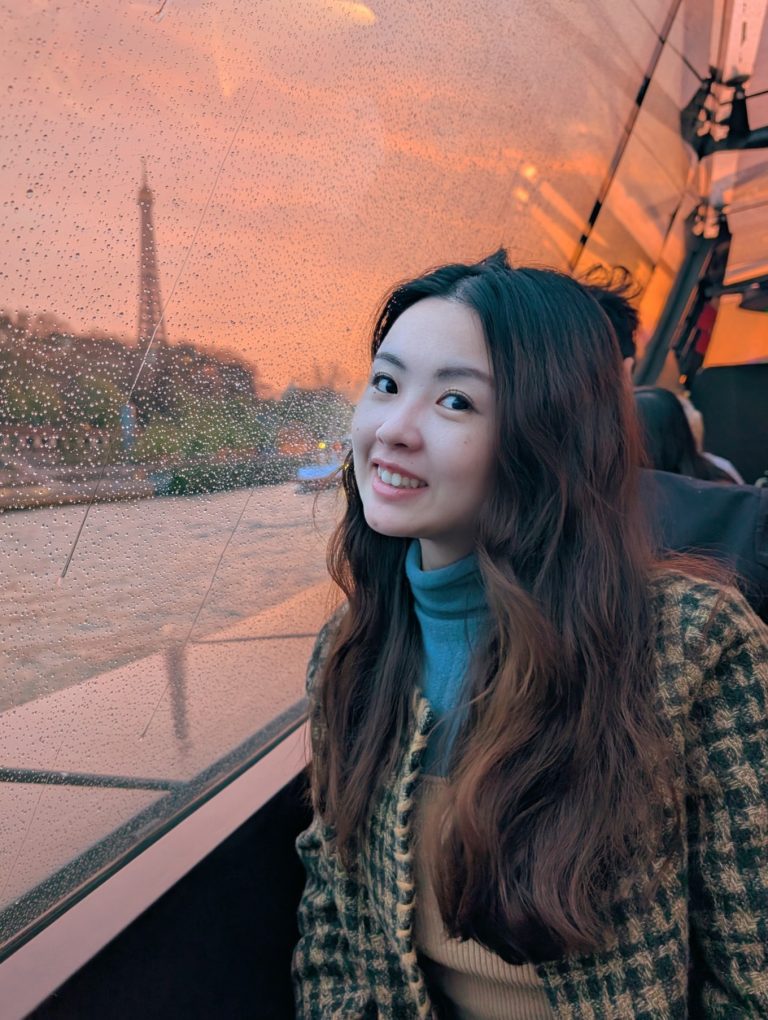
Read more →Walking around Paris is a thing, but cruising along the Seine is a must-do. Iconic sights like the Eiffel Tower, Musée…
Read more →It was after 11pm when I’d finally got our daughter to sleep. Sitting at my study desk under the yellow lamplight,…
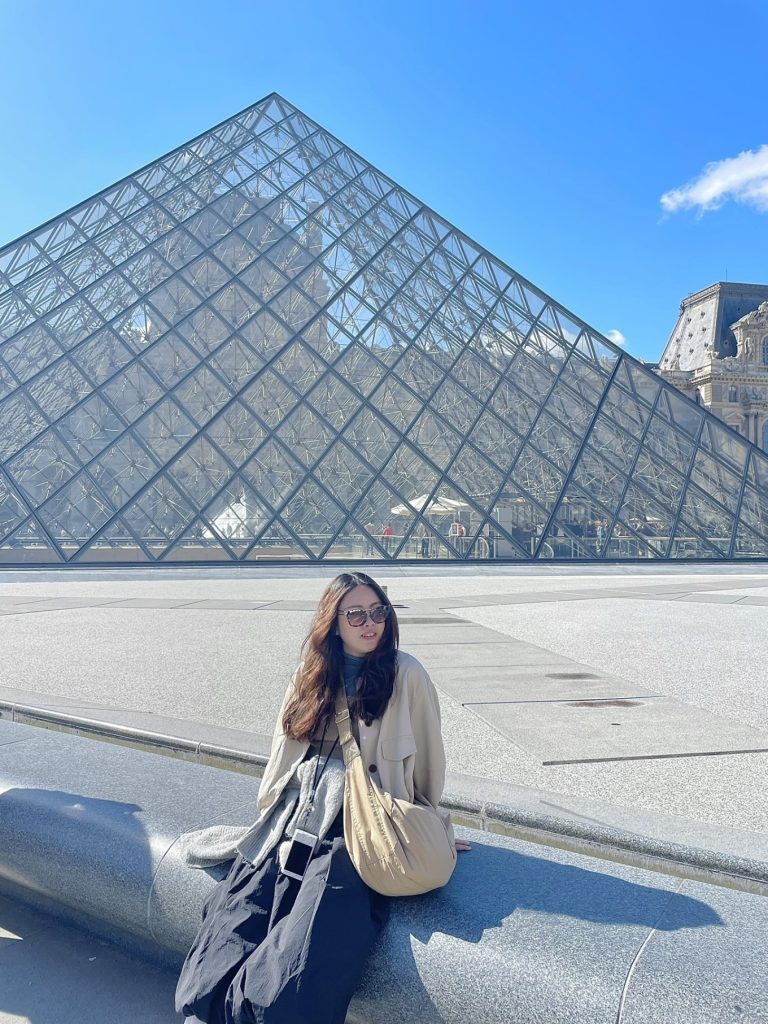
Read more →Do you know that Louvre Museum (or The Louvre) from Paris is the world’s largest museum with over 38,000 artworks exhibited?…
Read more →Switzerland itineraries, mountain towns, hotel reviews, and shopping guides—from Wengen and Grindelwald to Lucerne and the Matterhorn.
Final Verdict: Where Should You Stay in the Jungfrau Region? Lauterbrunnen is generally the best all-round option for first-time visitors.…
Read more →If you’re planning a visit to Jungfraujoch Railway you’ll need to decide where to stay before making the journey up…
Read more →Looking for accommodation in Lucerne, Switzerland? Lucerne isn’t a big city, but choosing where to stay makes a huge difference…
Read more →Lauterbrunnen Valley Or Grindelwald? One of the questions we get here at Jungfrau Region Travel is where to stay: Lauterbrunnen…
Read more →Searching for Zurich’s best budget and family-friendly hotels? Whether you are visiting Europe’s largest city for the weekend, flying into…
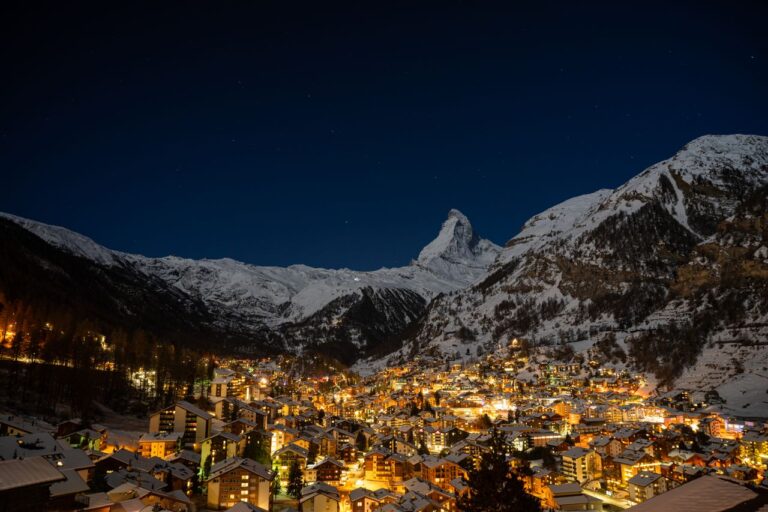
Read more →Is It Better to Stay in Zermatt or Nearby Towns? There are cheaper options for accommodations in nearby villages like…
Read more →Plan your days with our Europe itineraries—from multi-day Switzerland trips and Paris city breaks to Iceland road trips, Edinburgh weekends, and scenic train journeys.
It can be quite daunting to plan a trip to Switzerland. The country is overflowing with lakes, mountains, chocolate, and historical…
Read more →It was after 11pm when I’d finally got our daughter to sleep. Sitting at my study desk under the yellow lamplight,…
Read more →During my 5-weeks job training in London, I visited a beautiful city in the United Kingdom called Bath. Cute, graceful,…
Read more →Lucerne is a small, but utterly charming city in the heart of Switzerland. Nestled among the snow-capped alpine peaks and…
Read more →Day 1 Back from Olkhon Island, we went directly to the hotel in Listvyanka. It is a hotel called Baikal…
Read more →Day 3 Yesterday’s tour was so-called the North route and today’s tour was the South route. Different from North route which…
Read more →Hotel reviews and accommodation guides across Europe—from Paris city stays to Swiss mountain lodges, Finnish cabins, and boutique hotels in iconic cities.
If you’re planning a visit to Jungfraujoch Railway you’ll need to decide where to stay before making the journey up…
Read more →Looking for accommodation in Lucerne, Switzerland? Lucerne isn’t a big city, but choosing where to stay makes a huge difference…
Read more →London is one of the most Muslim-friendly cities in the world. From thousands of halal restaurants and plentiful mosques, to…
Read more →Lauterbrunnen Valley Or Grindelwald? One of the questions we get here at Jungfrau Region Travel is where to stay: Lauterbrunnen…
Read more →Searching for Zurich’s best budget and family-friendly hotels? Whether you are visiting Europe’s largest city for the weekend, flying into…
Read more →Final Verdict: Where Should You Stay in Paris? Visit the 7th arrondissement if: This is your first trip. You’ll never…
Read more →Must-see sights and experiences across Europe—from the Eiffel Tower and Louvre to the Blue Mosque, Lapland attractions, and winter city highlights.
Planning a trip to Italy? You have likely heard of Pompeii while researching day trips from Naples, the Amalfi Coast,…
Read more →Walking around Paris is a thing, but cruising along the Seine is a must-do. Iconic sights like the Eiffel Tower, Musée…
Read more →Istanbul, the mesmerizing meeting point of Europe and Asia, is a city steeped in history, culture, and beauty. Its rich…
Read more →Europe, with its rich history and captivating architecture, is home to some of the world’s most enchanting castles. Winter lends…
Read more →Europe is a continent brimming with history, culture, and natural beauty, making it a fantastic destination for a weekend getaway.…
Read more →King Crab Fishing in the frozen lake and fjords in Kirkenes is an experience that I would never forget in…
Read more →Here are the 6 prettiest towns in Switzerland that you must visit in your next trip! Compared to other European…
Read more →People seem to always associate Germany with beer, sausages & castles, and I am not any different too. That sums…
Read more →What to buy in Madrid, Switzerland, Barcelona, Milan, London, Budapest, Paris, Iceland, and more—our shopping guides help you find the best souvenirs and local finds.
With gorgeous scenery, deep rich culture, and friendly people, Iceland is an astoundingly beautiful country to visit. Ranked as one…
Read more →Being nestled at the center of Europe specifically between Germany, France, and Austria, Switzerland is one of Europe’s most appealing…
Read more →Barcelona, the capital of Catalonia and the second biggest city in Spain, is one of the few must-see cities in…
Read more →With its renowned artisans and incomparable culinary experience, you can’t afford to travel to Milan and not bring home anything.…
Read more →Being the second-most visited city in the world, it’s no surprise that there are lots of stores and street markets…
Read more →Once existing as two separate cities, Buda and Pest, this capital of Hungary come as a sweet surprise that always…
Read more →Paris is the favorite city destination for many people, including myself. I always imagine taking a stroll at night enjoying…
Read more →In spring (April–May) and autumn (September–October) you'll find milder weather, fewer crowds, and generally lower prices. Summer (June–August) is high season—which means great weather for long summer days/evenings and outdoor activities, but also crowds and high prices at popular cities. Winter (November–March) is great for Christmas markets, skiing, chasing the northern lights (in Scandinavia, Iceland), and visiting popular cities when they are quieter. Pick your season based on what you want most: beaches, cooler weather for walking/hiking, city breaks, summer festivals/fairs, winter activities.
Train travel is fantastic for shorter distances with good connections (such as Paris–Lyon, Amsterdam–Brussels), or if your route will take you through beautiful scenery (Switzerland, Norway). Train stations are often in city centres, making it more convenient than flights where you may need to navigate airports on the outskirts. Flights are better for longer distances (London–Italy/Rome, Paris–Istanbul), or if you're short on time and want to maximize your vacation days. Lots of European destinations are connected by budget airlines—but remember to account for getting to airports (they can be outside of city centres) and check baggage fees. It's common to mix train and plane travel if you're visiting multiple countries.
I find many first-time European visitors fall into the trap of wanting to see too much. If you have limited time, consider visiting just one country (e.g. spend 10 days in Italy instead of museums in London, Paris, and Rome). It will allow you to dig deeper and also help avoid travel exhaustion. That said, touring multiple countries is a great option if you're visiting countries that neighbour each other (Netherlands + Belgium; Switzerland + Italy) or if you have 2–3 weeks since you'll have more time to rest in between destinations. One more thing: if you're from outside of Europe, keep in mind Schengen visa rules. Most non-EU visitors can spend 90 days within any 180 period in Schengen countries. Keep that in mind if you're planning something longer.
Absolutely! Many European cities are extremely family-friendly. They often have great public transport systems, parks, and kid-friendly activities. Most museums offer free or discounted entry for children. Train travel is comfortable and well-suited for families. The key is pacing yourselves. Instead of bouncing between 5 cities in 10 days, try visiting 2–3 cities really well. If you have kids under 5, you may even consider doing a winter trip to Lapland, Christmas markets, or skiing.
Summer will give you long days, summer festivals, beach weather in the Mediterranean, and skiing/cycling/hiking in the Alps. Summers are also the busiest/expensive season. Winter is great if you want to experience Christmas markets, skiing, the northern lights (northern Europe, Iceland), and less crowded cities (e.g. Paris, Rome). Some mountain destinations/ski areas, and northern Europe are only good for visiting in winter. Southern Europe enjoys mild weather year-round.
The Schengen Area encompasses most of Europe's countries. Iceland, Norway, Switzerland and Liechtenstein are also included. The benefit is that you can travel freely between these countries using one visa. The downside is that your allowed timeframe is 90 days within any 180 period. You will need to plan carefully if you want to do a long Europe trip spanning multiple Schengen countries. If you overstay your limit, you can be banned from returning to Schengen countries for several years. UK and Ireland are not part of Schengen. They have their own visa requirements.
Price-wise, Europe can vary dramatically from one country to the next. Eastern Europe is generally cheaper, as are many south-eastern/eastern Mediterranean destinations. Scandinavia and Switzerland are the most expensive. Major cities like Paris and London are also pricey. Read up on VAT refunds if you plan on doing a lot of shopping. Visitors from outside of Europe can get their tax refunded on purchases over a certain price. You'll need to keep your receipts and allow some time at the airport for the refund process.
In spring (April–May) and autumn (September–October) you'll find milder weather, fewer crowds, and generally lower prices. Summer (June–August) is high season—which means great weather for long summer days/evenings and outdoor activities, but also crowds and high prices at popular cities. Winter (November–March) is great for Christmas markets, skiing, chasing the northern lights (in Scandinavia, Iceland), and visiting popular cities when they are quieter. Pick your season based on what you want most: beaches, cooler weather for walking/hiking, city breaks, summer festivals/fairs, winter activities.
Train travel is fantastic for shorter distances with good connections (such as Paris–Lyon, Amsterdam–Brussels), or if your route will take you through beautiful scenery (Switzerland, Norway). Train stations are often in city centres, making it more convenient than flights where you may need to navigate airports on the outskirts. Flights are better for longer distances (London–Italy/Rome, Paris–Istanbul), or if you're short on time and want to maximize your vacation days. Lots of European destinations are connected by budget airlines—but remember to account for getting to airports (they can be outside of city centres) and check baggage fees. It's common to mix train and plane travel if you're visiting multiple countries.
I find many first-time European visitors fall into the trap of wanting to see too much. If you have limited time, consider visiting just one country (e.g. spend 10 days in Italy instead of museums in London, Paris, and Rome). It will allow you to dig deeper and also help avoid travel exhaustion. That said, touring multiple countries is a great option if you're visiting countries that neighbour each other (Netherlands + Belgium; Switzerland + Italy) or if you have 2–3 weeks since you'll have more time to rest in between destinations. One more thing: if you're from outside of Europe, keep in mind Schengen visa rules. Most non-EU visitors can spend 90 days within any 180 period in Schengen countries. Keep that in mind if you're planning something longer.
Absolutely! Many European cities are extremely family-friendly. They often have great public transport systems, parks, and kid-friendly activities. Most museums offer free or discounted entry for children. Train travel is comfortable and well-suited for families. The key is pacing yourselves. Instead of bouncing between 5 cities in 10 days, try visiting 2–3 cities really well. If you have kids under 5, you may even consider doing a winter trip to Lapland, Christmas markets, or skiing.
Summer will give you long days, summer festivals, beach weather in the Mediterranean, and skiing/cycling/hiking in the Alps. Summers are also the busiest/expensive season. Winter is great if you want to experience Christmas markets, skiing, the northern lights (northern Europe, Iceland), and less crowded cities (e.g. Paris, Rome). Some mountain destinations/ski areas, and northern Europe are only good for visiting in winter. Southern Europe enjoys mild weather year-round.
The Schengen Area encompasses most of Europe's countries. Iceland, Norway, Switzerland and Liechtenstein are also included. The benefit is that you can travel freely between these countries using one visa. The downside is that your allowed timeframe is 90 days within any 180 period. You will need to plan carefully if you want to do a long Europe trip spanning multiple Schengen countries. If you overstay your limit, you can be banned from returning to Schengen countries for several years. UK and Ireland are not part of Schengen. They have their own visa requirements.
Price-wise, Europe can vary dramatically from one country to the next. Eastern Europe is generally cheaper, as are many south-eastern/eastern Mediterranean destinations. Scandinavia and Switzerland are the most expensive. Major cities like Paris and London are also pricey. Read up on VAT refunds if you plan on doing a lot of shopping. Visitors from outside of Europe can get their tax refunded on purchases over a certain price. You'll need to keep your receipts and allow some time at the airport for the refund process.