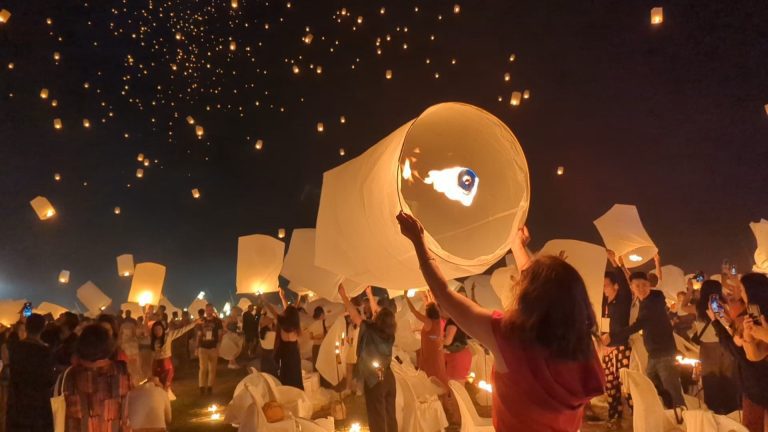
Loy Krathong Yi Peng Festival in Chiang Mai
We finally resumed our travel plans in 2022 after COVID! It has been 2 years since we last travelled out…
Read more → ShinyVisa
Chiang Mai is one of Thailand's most charming destinations, known for its ancient temples, mountain scenery, vibrant night markets, and relaxed atmosphere. Located in northern Thailand, the city blends rich culture with outdoor adventure. This Chiang Mai travel guide brings together the best temples, attractions, hotels, itineraries, and travel tips to help you plan the perfect trip.
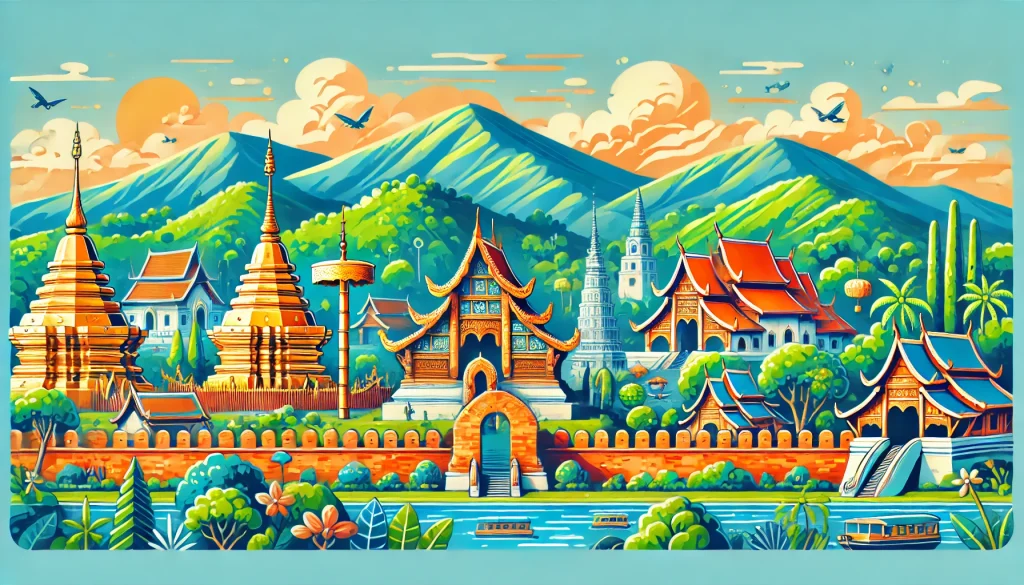
Discover temple guides, attractions, night markets, elephant sanctuaries, and the best sightseeing in Chiang Mai—from Doi Suthep to the Old City temples.
We finally resumed our travel plans in 2022 after COVID! It has been 2 years since we last travelled out…
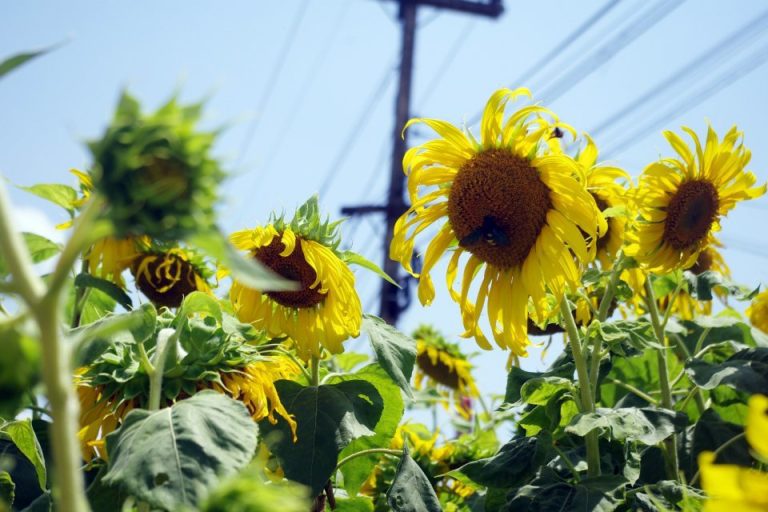
Read more →If you like nature and flowers, then visiting I Love Flower Farm is one of best things to do when…
Read more →Wat Rong Khun (also known as the White Temple more commonly) is one of the must visit places when people…
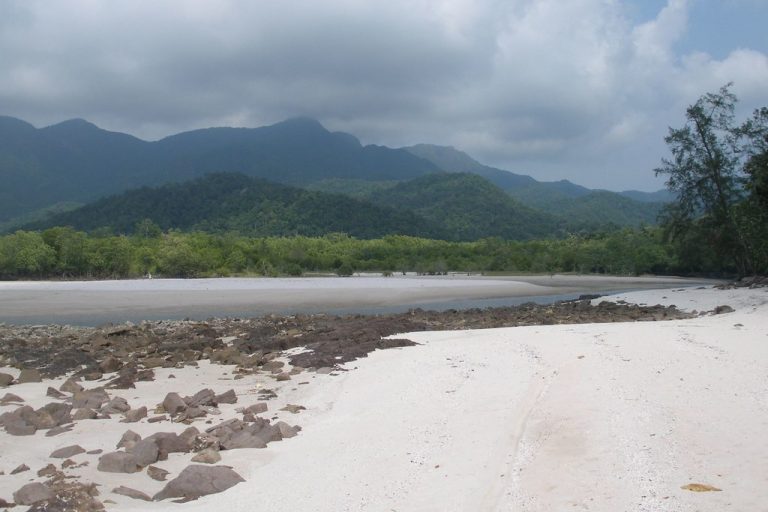
Read more →Lying on the Southernmost part of Thailand is a small part of this beautiful country that many tourists haven’t discovered…
Read more →Speaking of Thailand, the first city comes into one’s mind for most of us might be Bangkok where modernism and religion…
Read more →Plan your days in Chiang Mai with our curated itineraries—from 3-day city breaks to longer stays combining temples, markets, and day trips.
Speaking of Thailand, the first city comes into one’s mind for most of us might be Bangkok where modernism and religion…
Read more →Find the best hotels, boutique stays, and accommodation in Chiang Mai—from budget hostels in the Old City to luxury resorts with mountain views.
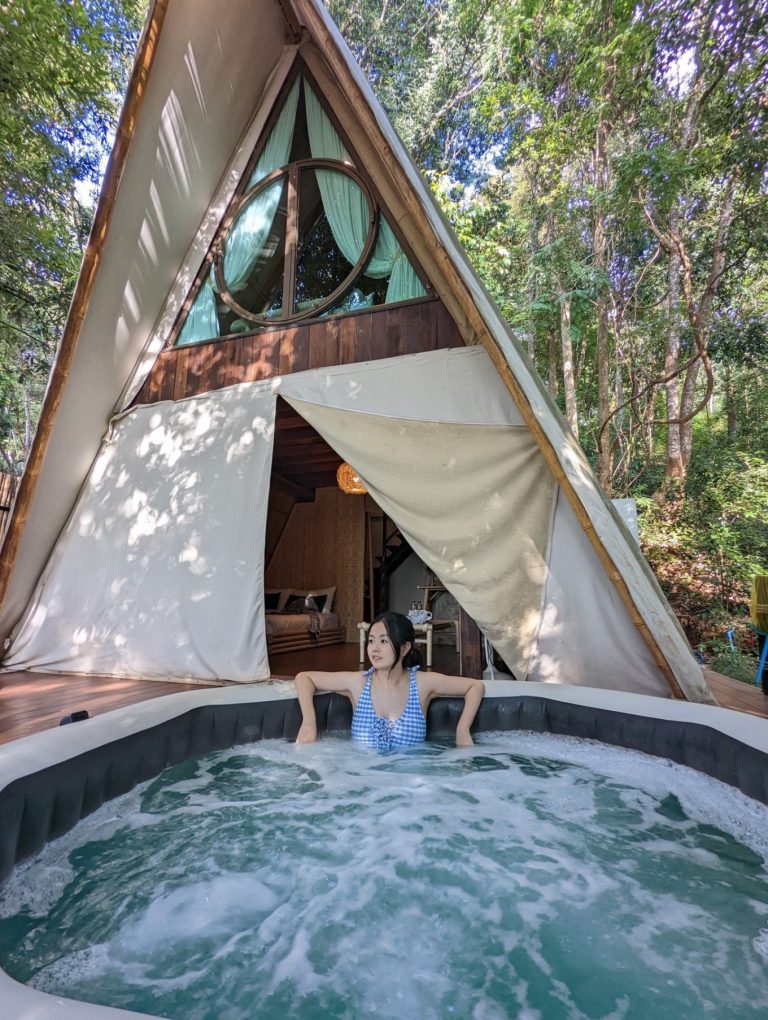
Lannawild is not your average resort or hotel in Northern Thailand. It is a semi-mountain homestay and glamping (camping with better…
Read more →Explore the best temples, viewpoints, and things to do in Chiang Mai—Wat Chedi Luang, Doi Suthep, night markets, and more.
We finally resumed our travel plans in 2022 after COVID! It has been 2 years since we last travelled out…
Read more →If you like nature and flowers, then visiting I Love Flower Farm is one of best things to do when…
Read more →Wat Rong Khun (also known as the White Temple more commonly) is one of the must visit places when people…
Read more →Lying on the Southernmost part of Thailand is a small part of this beautiful country that many tourists haven’t discovered…
Read more →Speaking of Thailand, the first city comes into one’s mind for most of us might be Bangkok where modernism and religion…
Read more →Explore more of Thailand—Bangkok guides, island tips, and country-wide travel advice to help you plan the rest of your trip.
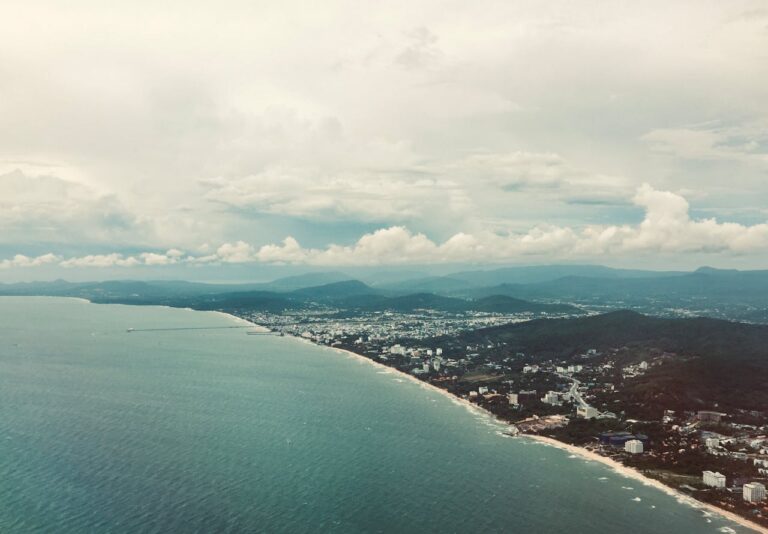
When planning a family beach vacation in Thailand, if you’ve started researching your options beyond Phuket and Koh Samui, chances…
Read more →Is Chiang Mai safe for families with young kids? The quick answer? Yes, mostly. Take standard travel precautions, avoid the…
Read more →Bangkok is a city that comes alive whether you’re travelling during the day or night. Muslim travellers will find the…
Read more →Planning your next trip to Bangkok? Odds are you’ve asked yourself the exact same question: where to stay in Sukhumvit?…
Read more →If you’re looking for a hotel in Phuket that has a natural, outdoorsy atmosphere but with easy access to shops…
Read more →Lannawild is not your average resort or hotel in Northern Thailand. It is a semi-mountain homestay and glamping (camping with better…
Read more →November to February is high season: cool/dry weather and sunny days. March-May is warm season with hotter temperatures in April. June-October are wet months with afternoon showers; fewer tourists and more greenery. If you're concerned about smoke, avoid late February through April which is "burning season" where farmers burn leftover crop residue resulting in hazy air quality.
Farmers burn the leftover rice straw in their fields which causes smoke that makes its way into town and affects air quality and visibility. Burning season is typically late February through April but has been known to start/end earlier/later depending on weather. If you're prone to respiratory issues or want to see things clearly, book your visit for November–January or May onwards. Learn more about Burning Season.
Songthaews (red trucks) are the most common form of shared transport. Flag one down and negotiate the price with the driver. Grab and Bolt also work really well here. Tuk tuks are common as well, just negotiate your price beforehand. Many travelers rent scooters — make sure you have an international driving permit and always wear a helmet! Depending on where you're staying, it's also very walkable or you can rent bicycles.
Renting scooters is a convenient way to get to Doi Suthep, waterfalls, rural temples outside of the city, etc. Make sure to rent from a reputable scooter shop, always wear a helmet, and double check that your travel insurance covers you while driving a motorbike (some plans exclude motorbikes). Drive defensively, locals can drive like idiots.
When visiting temples wear conservative clothing and cover your shoulders and knees. Remove your shoes before entering any buildings. Observe while inside (no loud talking or singing), and refrain from pointing your feet at Buddha statues or images. Try to visit popular temples like Doi Suthep or Wat Chedi Luang early in the morning to avoid large crowds and the heat of the day.
Explore Chiang Mai night market! Sunday Walking Street (located in the Old City) and Night Bazaar are favorites. Try to arrive earlier in the evening if you can to explore the vendors before the huge crowds arrive. Also make sure you have cash on hand as many vendors don't accept cards. Bargaining at stalls is expected.
Visit Doi Inthanon National Park, elephant sanctuaries, explore the famous sticky waterfall, or visit one of the hill tribe villages for a fun day trip. We recommend booking your elephant tour upfront and making sure it's an ethical one (no riding elephants!). You can book most tours at your hotel or with local companies.
Chiang Mai is a great place to visit with kids. Temples, night markets, and cooking classes are kid-friendly activities. See our guide to elephant sanctuaries with kids and make sure you pick one that doesn't allow elephant riding. Ride elephants responsibly. Visit during high season (November through February) when temperatures are cooler.
Absolutely. Chiang Mai has something for almost everyone. Ancient temples, mountainous scenery, bustling night markets, a slower pace than Bangkok, ethical elephant sanctuaries. Waterfalls and hill tribe villages are within easy reach. Whether you love culture, food or adventure, you'll find plenty to love.
Three to five days will give you time to see everything on most travelers' lists. Spend a day browsing temples in the Old City, visiting Doi Suthep, exploring night markets and taking a day trip (either to an elephant sanctuary, see doi inthanon or the sticky waterfalls). If you have a week you can relax easier and take two day trips.
Chiang Mai is known for its ancient temple complexes like Wat Chedi Luang and Doi Suthep, bustling night markets, distinctive Lanna-style culture, mountainous scenery surrounding the city, ethical elephant sanctuaries, great Thai cooking classes and its slower pace compared to Bangkok. Chiang Mai is your gateway to northern Thailand's hill towns and natural wonders.
In most cases, yes. You can usually find cheaper prices on accommodation, food, and activities than in Bangkok. Food from street vendors and local Thai restaurants will be much less expensive, and you can usually find low budget guesthouses and mid-range boutique hotels as well. While Bangkok has more luxury accommodation and high end dining options, Chiang Mai will be easier on your wallet.
November through February. This is the best time to visit Chiang Mai with cool (but not cold), dry weather and minimal cloud cover. If you don't like smoke smells, avoid visiting during burning season (late Feb – April). The rainy season (June – October) brings afternoon thunderstorms, but green jungles, lower prices and fewer tourists.