Shapingba District Chongqing: Where to Stay & What to Do (2026 Guide)
If you’re looking for a neighbourhood in Chongqing that is local-feeling, cheaper, and significantly less chaotic than downtown around Jiefangbei,…
Read guide → ShinyVisa
China ranks among the most diverse countries we’ve visited as a family. From shiny new high-tech skylines to ancient sleepy neighborhoods. From leisurely evening strolls to rigorous mountain hikes. All often in the same trip.
Our China travel guide distills our lived experiences across cities we walked, food streets we sampled, and natural scenery we visited at a human pace. This is the destination guide for your first trip or a more immersive second visit. It’s all right here to help you plan your China trip with ease, not exhaustion.
Use this page to dive into our most helpful China guides, browse by city or country, or go right to your travel style, from city strolls and natural hikes to family-friendly trips.
Planning a trip to China can often seem more difficult than it needs to be. The problem isn’t that there isn’t enough to do, it’s deciding on the right places and pacing yourself so it remains fun. These guides are where you should start because they cover a good selection of cities and experiences that are ideal for both first-timers and family travel.
The posts here are intentionally curated. This is not a list of the latest articles. These are the pieces that make the rest of this China guide easier to browse.
Shopping in China can be one of the most exciting parts of your trip. Whether you are a luxury hunter, electronics aficionado, fashionista, tea…
Read guideTraveling to China is an extraordinary experience. The country is a fascinating mix of ancient history, futuristic cities, exotic local culture, and amazing nature. Whether you…
Read guideChina is a country of contrasts, ancient history, stunning landscapes, and rich culture that never fails to amaze. Whether it’s the Great Wall, the Terracotta…
Read guideIt's rare that people make an itenerary to China by region - it's usually a city-by-city decision. For ease, we've organized the following guides by the cities that we've traveled. Pick a city that you already know, or skim and find places that fit your type of trip.
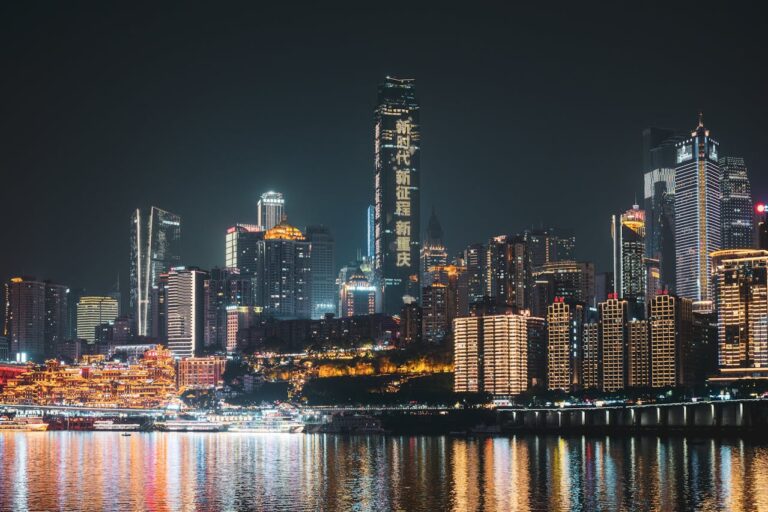
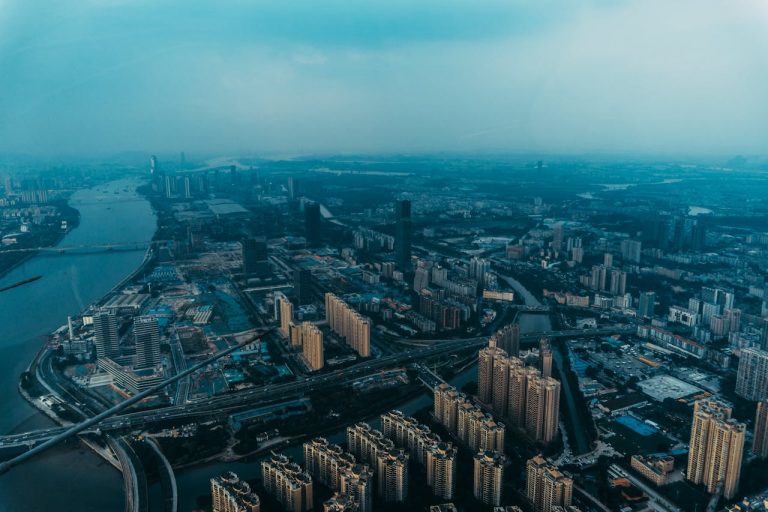
One of the most unique cities we’ve visited in China and probably the place we’ve explored the most. Built into steep hills and criss-crossed with rivers, it feels layered and cinematic, especially at night. After you get a sense of how streets and levels interconnect, Chongqing is surprisingly pleasant to navigate on foot.
Chongqing’s the special one because of the balance. You get the big city feel, the old neighbourhoods, and easy access to nature just beyond the centre. It really rewards slower travel and evening walks more than check-list attractions.
Lots of Chongqing’s magic happens in between. Old staircases, riverside walks, and crowded neighborhoods: Some of our favorite walks in China.
Chongqing can also be a door to some great scenery. With a little bit of effort and planning you can access hiking trails, mountain viewpoints, and some quieter landscapes without making the trip be a bunch of travel.
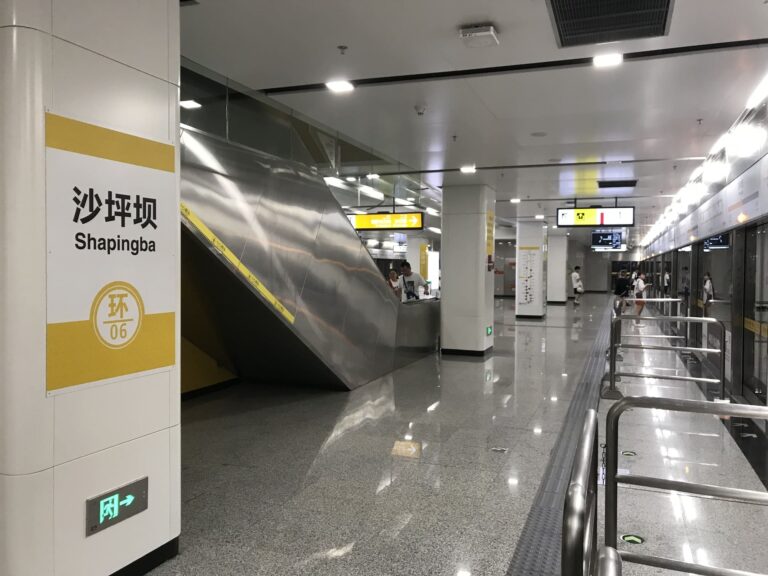
If you’re looking for a neighbourhood in Chongqing that is local-feeling, cheaper, and significantly less chaotic than downtown around Jiefangbei,…
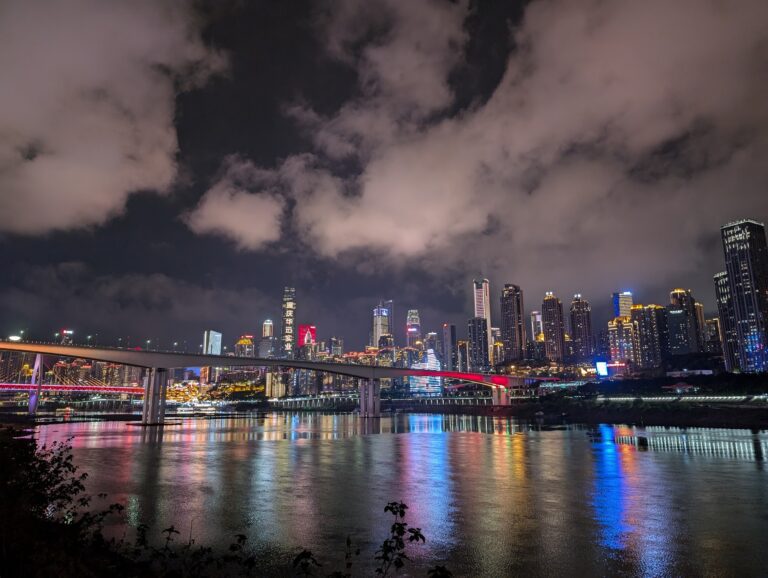
Read guide →When I think of photos depicting a cyberpunk cityscape filled with neon lights, elevated highways, and trains passing through buildings…the…
Read guide →Ask most families considering a China vacation and you’ll likely receive the same answers: Beijing for the Great Wall, Shanghai…
Read guide →Wait until you see videos of trains running THROUGH buildings, glowing neon lights bouncing off of water, highways stacked on…
Read guide →Welcome to Chongqing, the “Cyberpunk City” of China. Oh yeah, did I mention Chongqing is beautiful at night? Day turns…
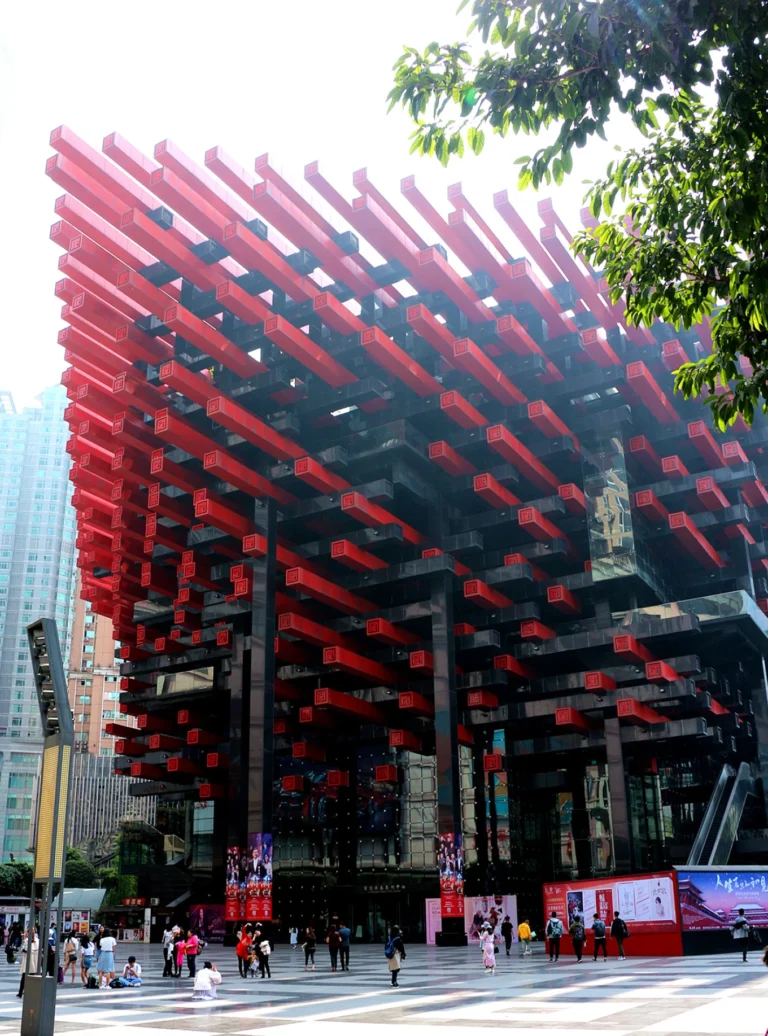
Read guide →The first time I entered the plaza outside of Chongqing Art Gallery I’ll admit that I stopped and stared. You’ll…
Read guide →Guangzhou feels fast-paced, very practical, and easy to travel. I think it makes a very good destination for shorter trips or first visits to China. It is also well-connected and food-focused. Guangzhou is a good place to visit if you like shopping streets, local markets, and relaxed neighborhood strolls.
The city is also very family-friendly from a transport and convenience standpoint. It's a place where you can see a lot without feeling perpetually rushed.
Guangzhou is an intimidating city to visit. It is sprawling, fast-paced, and massive. For most travelers, knowing where…
Read guide →Guangzhou is one of China’s best shopping destinations, offering everything from luxury malls filled with designer boutiques to…
Read guide →Guangzhou is a bustling city in southern China, brimming with attractions, cultural delights, and mouthwatering Cantonese cuisine. From…
Read guide →In the heart of Guangzhou, a city known for its rich history and vibrant culture, stands a unique…
Read guide →In search for places to visit in your next trip? I will take you to a real hidden…
Read guide →Travel in Gansu is a far cry from the big coastal cities. Vistas are broader, the pace is more leisurely, and the experience is tilted more toward history and scenery than city buzz. The place is for those travelers who like to crowd less and breathe a little easier between destinations.
If long views, open spaces and sleepy towns are your idea of a good time, Gansu has a China that many folks overlook.
Talking about magical landscapes, what destinations will come into your mind? For many of us, we might have…
Read guide →It is said that human’s civilization always starts from where the river is. For Chinese people, Yellow river…
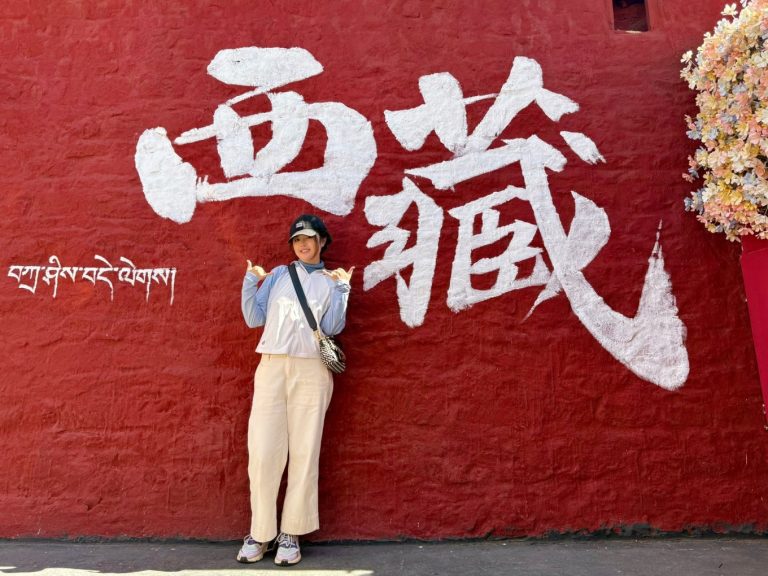
Read guide →Lhasa is Tibet's cultural capital and the natural place to begin your journey. Time is a different tempo here, set by the altitude, the daily ceremonies and the palpable spirituality. Planning is more important, but it doesn't feel like the rest of China.
Visits to Tibet are less about jamming in attractions and more about giving yourself time to acclimate, watch, and explore purposefully.
It’s amazing how you can just feel the difference the moment you land in Tibet. The air is thin,…
Read guide →If I’d thought about what Tibet would be like before I arrived, I would have imagined things like…
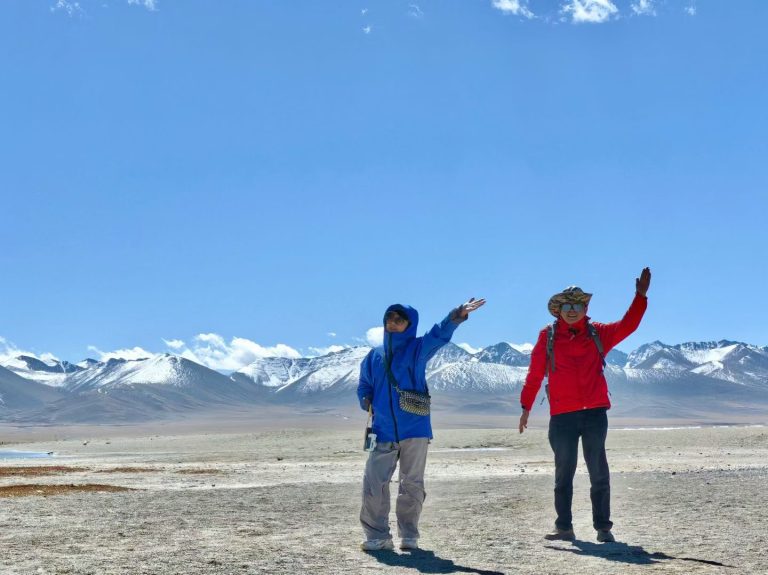
Read guide →The first time I saw Namtso Lake (纳木措), I couldn’t believe it was real. I had just arrived in…
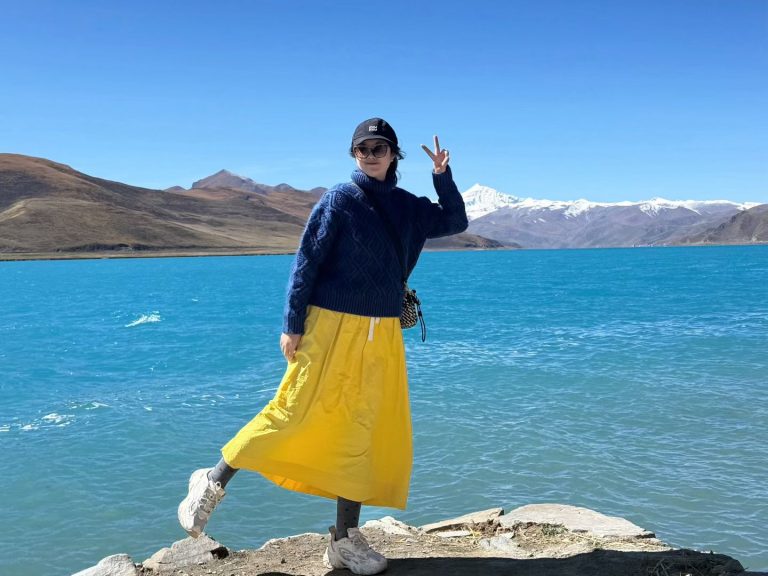
Read guide →Visiting Yamdrok Yumtso (羊卓雍措) might have been one of the most spectacular yet humbling experiences of my entire…
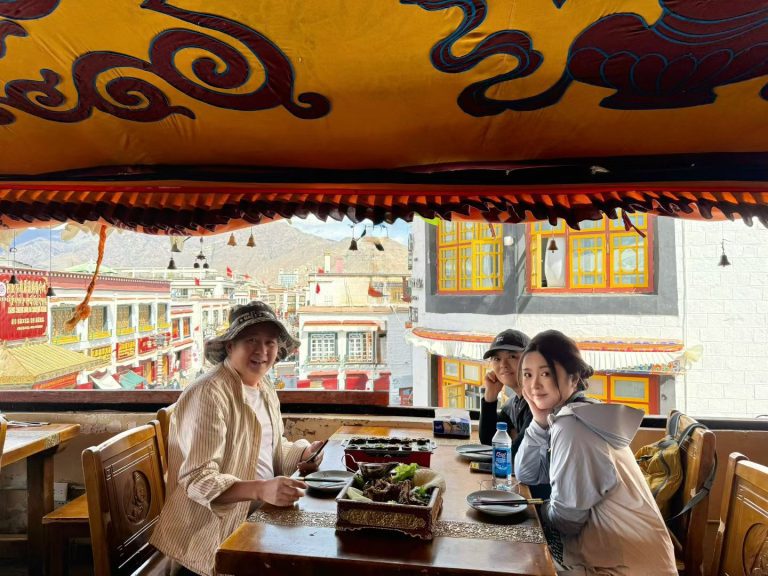
Read guide →Arriving at Barkhor Street (八廓街) for the first time was like setting foot into the spiritual center of…
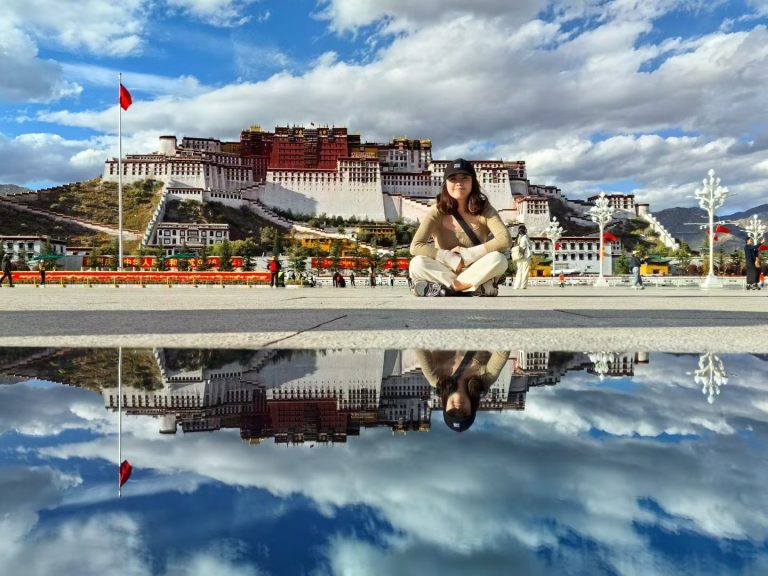
Read guide →The first time I saw the Potala Palace high up above the city of Lhasa, I literally stopped…
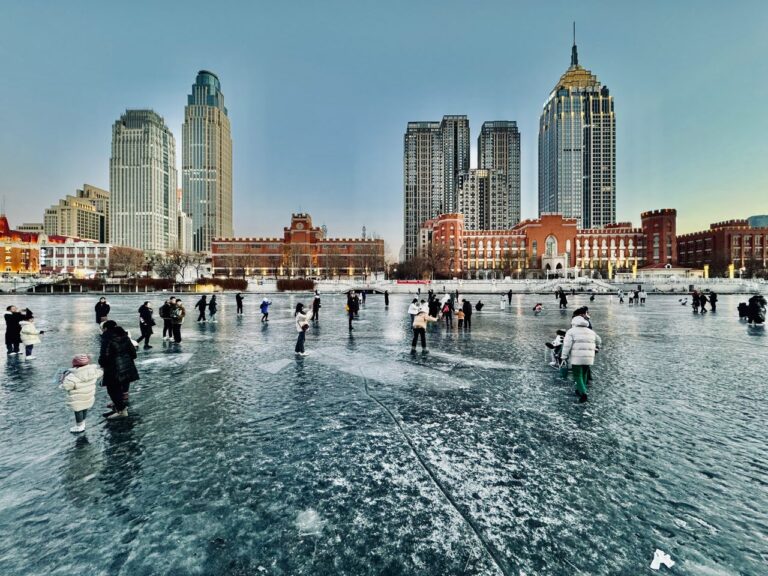
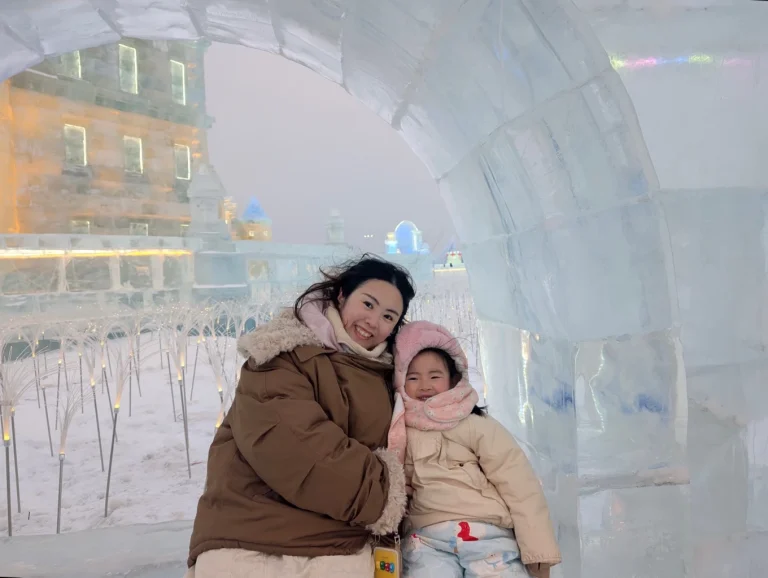
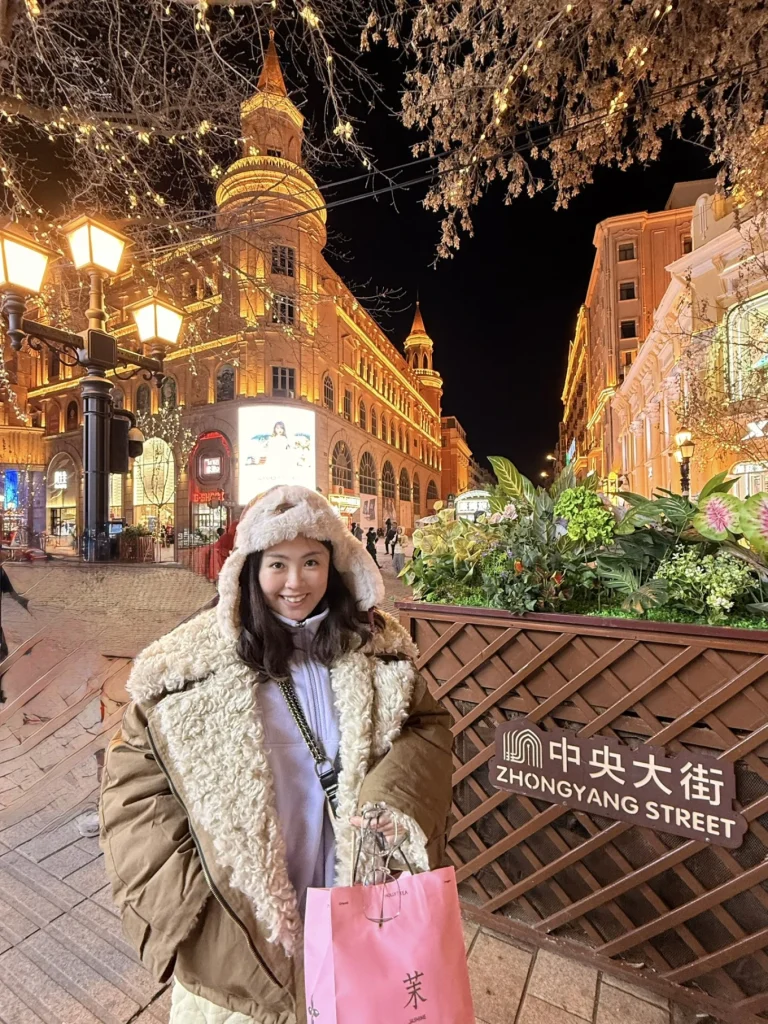
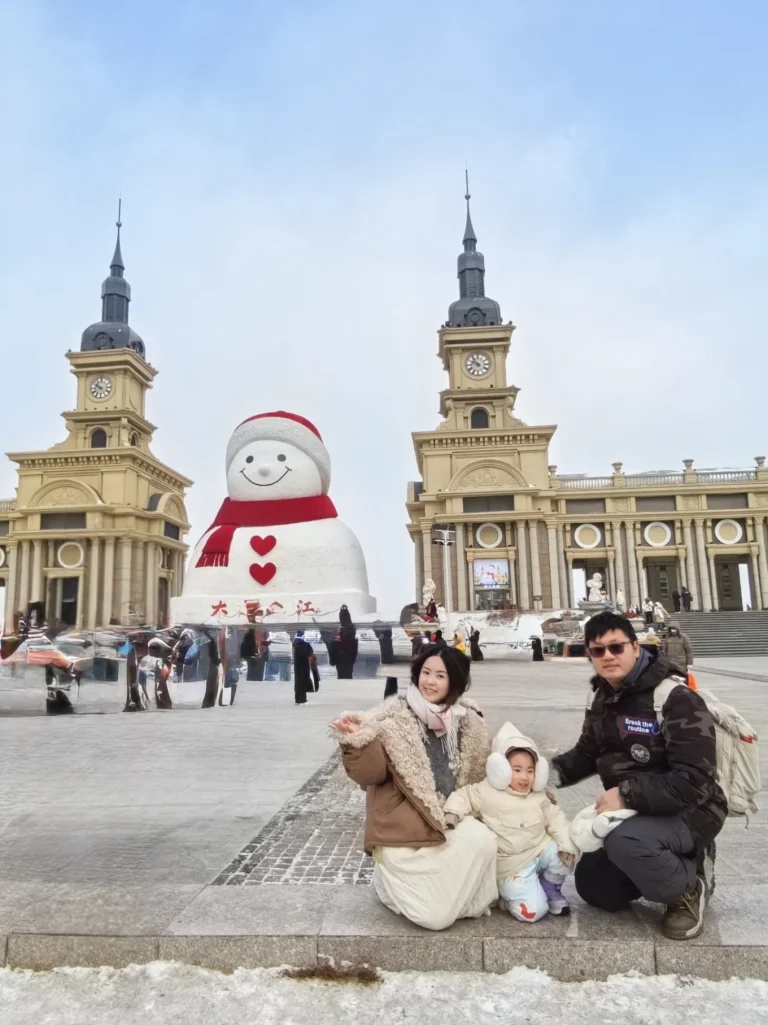
Read guide →Harbin offers a unique blend of Russian-influenced architecture, winter festivals, and northeastern Chinese culture. The city is known for its ice and snow sculptures, historic European-style buildings, and as a gateway to exploring China's far northeast.
Harbin is easily one of China’s quirkiest cities. Dubbed “Ice City”, Harbin turns into a winter fantasyland when…
Read guide →Harbin is one of the most unique cities in China. Blanketed in snow and ice during winter, visitors…
Read guide →Looking for a 3-day Harbin itinerary? In this post, I want to share our recent family travel experience…
Read guide →The simple answer is that it depends on why you are in Harbin and what you want to…
Read guide →If you ask a Harbin local or a winter traveler what Harbin winter icons are, there is a…
Read guide →One thing is pretty much unavoidable when visiting Harbin during winter – Harbin Ice and Snow World (哈尔滨冰雪世界).…
Read guide →Inner Mongolia offers vast grasslands, desert landscapes, and a unique blend of Mongolian and Han Chinese cultures. The region provides a different perspective on China, with opportunities to experience nomadic traditions, explore the Gobi Desert, and see a side of the country that feels far removed from the bustling coastal cities.
Exploring some scenic areas in China can be a love-hate relationship. You land somewhere with a little suspicion and…
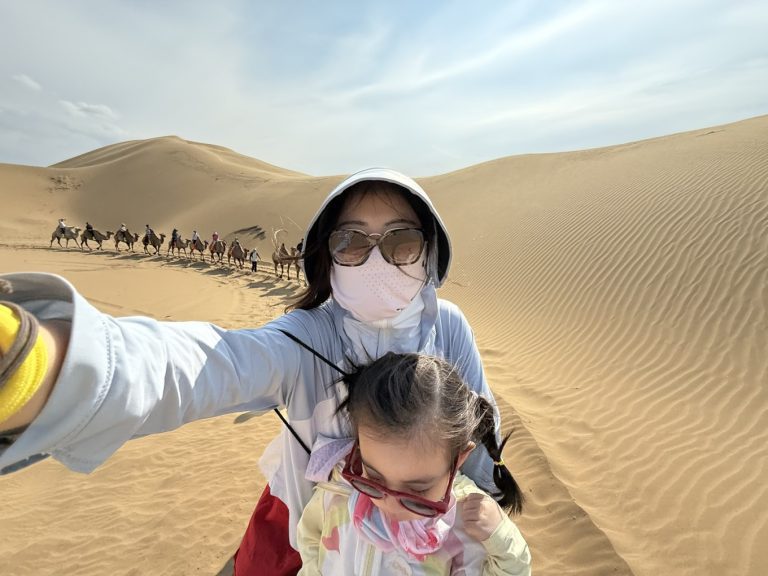
Read guide →I thought I had seen it all in the dunes when we explored sand in Gansu and even…
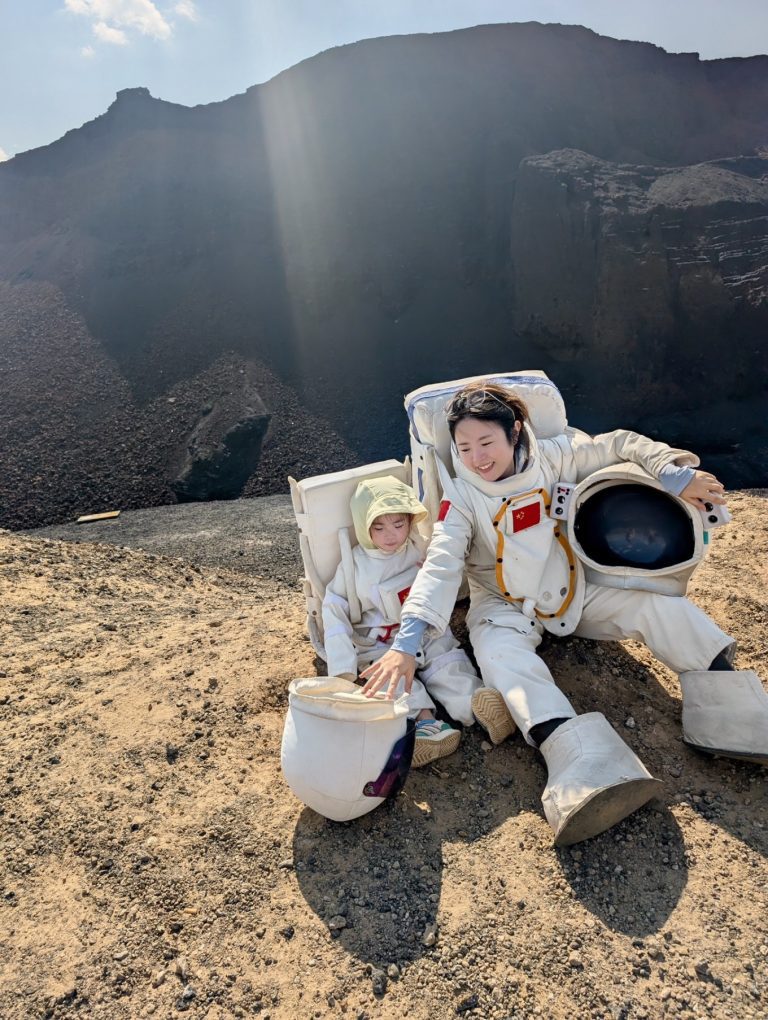
Read guide →If you ever dreamt of wearing a rented spacesuit, dusting off your astronaut helmet, and boldly taking selfies…
Read guide →If you know what kind of trip you're after, browsing by travel style is often more helpful than picking a destination. These shortcuts help you find groups of guides that cover different cities with a similar focus.
Scenic evening walks, old streets, riverside paths, and compact areas you can explore mainly on foot.
Browse guidesMountain hikes, gorge viewpoints, lakes, and nature routes that fit into a relaxed China itinerary.
Browse guidesFood streets, small restaurants, and casual local eats we have actually tried with our family.
Browse guidesShopping streets, markets, and practical areas to pick up daily essentials or small souvenirs.
Browse guidesCities, routes, and attractions that worked well with our child and parents in tow.
Browse guidesHotel reviews and neighborhood recommendations across different Chinese cities.
Browse guidesAccommodation in China can differ significantly from city to city and within districts of a city. For most of our travels we found that location was more important than the size of the room. Especially when traveling with a child it can make a huge difference to your day-to-day experience to stay near a metro line or within walking distance of where you want to explore.
The hotel search below can give you an idea of prices by city and dates of travel. We also have recommendations in the individual city guides for the areas we stayed in on our trip. (default: Beijing)
Deciding where to stay in Dali isn’t as simple as you might think. Instead of one distinct city…
Read guide →Xiamen has never felt like other major cities in China. The hectic energy and bustling skyscrapers of Shanghai…
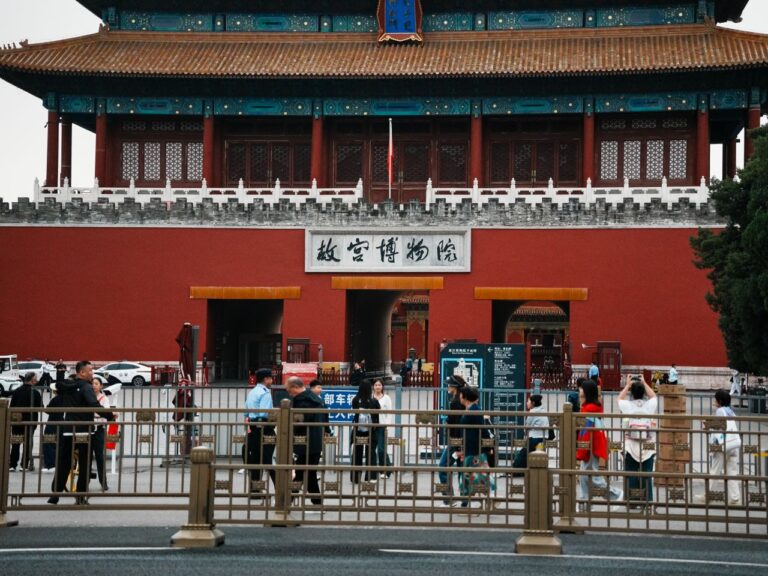
Read guide →Looking for information on where to stay in Beijing? Planning your trip to China’s capital and want some…
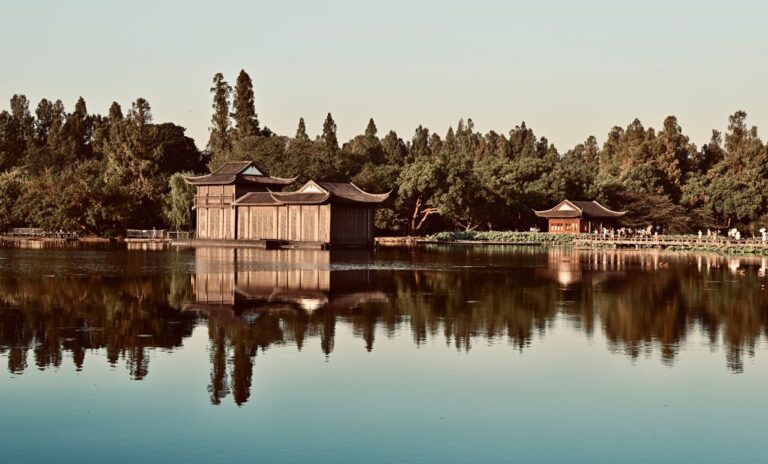
Read guide →Hangzhou is one of China’s most scenic cities. Known for its UNESCO heritage site West Lake, historic temples,…
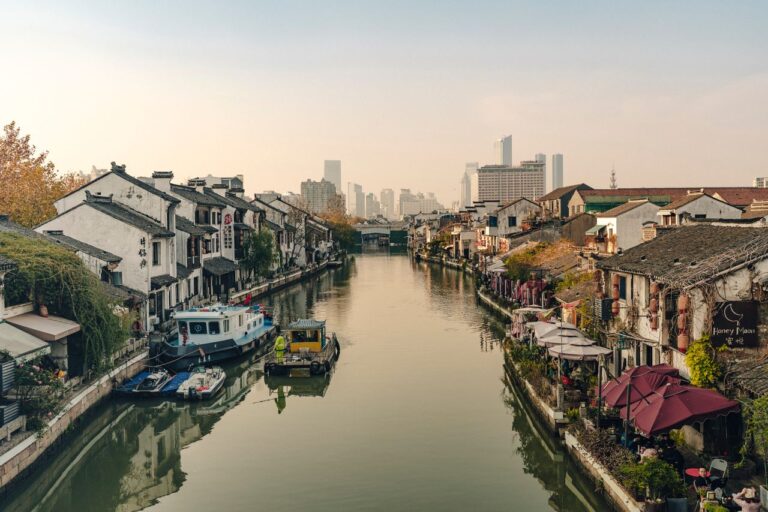
Read guide →One of the most beautiful cities in China, Suzhou has earned the nickname “Venice of the East.” A…
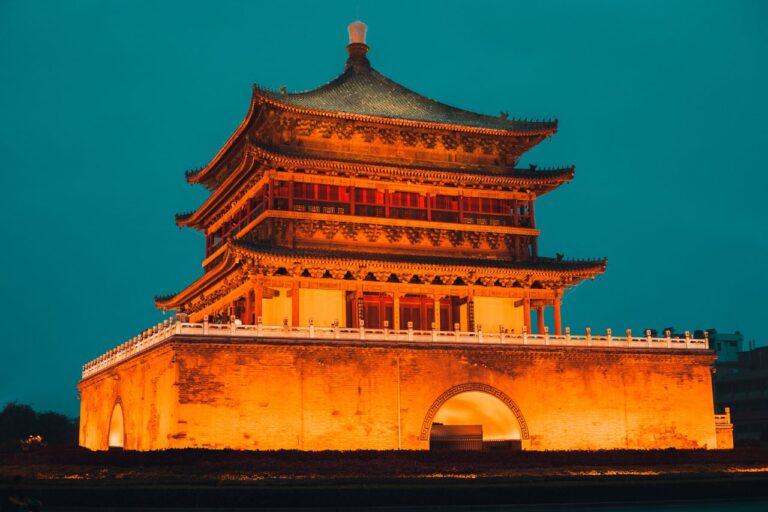
Read guide →Xi’an is easily one of my favorite cities in China. With its rich history, incredible food scene, and…
Read guide →Mobile payments are everywhere in the cities. If you're dependent on cards, be sure to plan ahead and it's also always worth having a bit of cash for the hole-in-the-wall shops and off the beaten path.
Mobile data is a gamechanger for navigation, translation, and ordering a ride. You'll be glad to have a local SIM or eSIM to take a lot of the hassle out of day-to-day travel.
High speed rail is usually the fastest way to get around, and metro is usually efficient within cities (older districts can be more walk/stairs than you expect though).
You don't need to speak Chinese to travel, but a translation app is a must. Screenshots of addresses and some patience will get you a long way (away from the tourist areas).
Yes. Main destinations are generally well-linked and convenient. It's mostly about pacing the trip, staying in central areas, and not over-planning activities in one day.
Seven to ten days is a good range for most first trips. This lets you comfortably see one or two cities without most of your time being taken by travel between places.
It's common for first-time visitors to pick one well-known destination and then a second place with a different flavor. Chongqing is a particularly good second city once you feel comfortable with logistics in China.
Most of the time, yes, but public transport can vary, and some cities may involve more walking and elevation changes than expected. Wearing good shoes and having realistic plans for one day can make a big difference.
No, but you'll likely rely on translation apps a lot. Doing a bit of basic preparation in advance makes a surprisingly big difference to your daily life.