
It’s amazing how you can just feel the difference the moment you land in Tibet. The air is thin, the light is clear, and the mountains are majestic, yet somewhat sacred. This is the reason many travelers refer to Tibet as the “Roof of the World.” I am from China’s mainland, so I can easily enter Tibet on my own without the need to obtain a permit. But for foreign visitors, entering Tibet requires some more planning than that due to the travel permit system and limited access.
Have you been dreaming of Lhasa, Yamdrok Lake, Mount Everest, and the Kekexili Nature Reserve? Here is everything you need to know about how to plan a trip to Tibet: when to go, how to get a Tibet Travel Permit, packing list, what to see and do, and more.
- When Is the Best Time to Visit Tibet?
- Tips for Applying Tibet Travel Permit (for Foreign Travelers)
- How to Get to Tibet
- Planning Your Tibet Itinerary
- Where to Stay in Tibet
- Tips for Coping with High Altitude
- What to Pack for Tibet
- Food and Cultural Etiquette in Tibet
- Sample Budget and Tour Costs for Tibet
- Travel Tips from a Local
- Is Tibet Safe for Foreigners?
- Final Thoughts
When Is the Best Time to Visit Tibet?
You can travel to Tibet all year round, and I recommend basing your decision on the experience you are looking for.
- For mild temperatures and clear blue skies (great for photography and sightseeing), go from April to June.
- For green mountains and fresh pastures (occasional rain showers can interfere with mountain travel), go from July to September.
- For autumn colors and crispy air, go from October.
- During winter (November to February), Lhasa and Shigatse are quieter and more spiritual with fewer tourists.
My favorite seasons are May and early October. The weather is generally stable and dry with excellent visibility in the mountains, but the tourists are not that many yet.
Tips for Applying Tibet Travel Permit (for Foreign Travelers)
This is where the travel process of Chinese and foreigners becomes different.
As a Chinese citizen, I could easily book my own flights and trains and travel freely between any cities and towns.
Foreign travelers (including Hong Kong and Macau passport holders) need to have a special permit to travel to Tibet and must stay within an organized tour approved by Tibet Tourism Bureau (TTB). Your tour operator or travel agent will need to take care of the following:
Tibet Travel Permit (TTP): this is the main document that a foreign traveler needs to enter Tibet, which can only be applied for through a registered Tibetan travel agency with the necessary information.
Requirements are:
- Copy of the passport.
- Copy of your valid China visa.
- The itinerary of your trip.
Processing usually takes 10–14 days, so your Tibet tour booking needs to be made at least one month in advance.
Aliens’ Travel Permit (ATP): if your itinerary includes places outside the Lhasa area, your guide will also help you obtain this permit from the local Public Security Bureau when you arrive in Tibet.
Military Permit: for some of the more remote regions like Mount Kailash or Ngari region near India border, a Military Permit will also be needed, and your travel agency will take care of it on your behalf.
How to Get to Tibet
After your Tibet travel permit is approved, your travel agency will forward it to your hotel or Chinese mailing address. You are required to present it upon boarding your flight or train to Lhasa.
Travel to Tibet by Air ✈️
Flying to Lhasa Gonggar Airport from other major Chinese cities such as Chengdu, Chongqing, Xi’an, or Beijing is the most convenient and direct route.
The flight from Chengdu is the most frequent and the prices are usually cheaper as well. Although it is a short flight, the views from the plane are worth it. On a clear day, you can see white snow-capped mountains as far as your eyes can see, and even the Everest massif is not far from Lhasa.
Travel to Tibet by Train 🚆
Traveling to Tibet via the Qinghai–Tibet Railway is an experience you will never forget in your life. The train departs from different cities such as Xining, Chengdu, or Beijing and passes through some of the most stunning and high-altitude sceneries in the world.
All trains are equipped with oxygen supply onboard for this purpose, and it is recommended to take a bottle of oxygen with you while in Tibet as it is sold everywhere in Lhasa.
The train from Xining takes approximately 21 hours, which I consider as a comfortable time frame to enjoy the route and the views of the endless grasslands, frozen lakes, and grazing yaks.
Tips from a Local: if you are traveling to Tibet for the first time, I highly recommend you fly to Lhasa and leave by train to fully enjoy both the process of arrival and departure.
Planning Your Tibet Itinerary
Tibet is quite a big place — bigger than Germany and distances are sometimes misleading given the terrain — so it is better to plan your trip slowly and give yourself time to acclimatize to the high altitude.
The following is one of the most popular 7-Day Tibet Itinerary for first-time visitors:
- Day 1-2: Arrive in Lhasa and rest and acclimatize.
- Day 3: Explore Potala Palace, Jokhang Temple, and Barkhor Street.
- Day 4: Visit Drepung and Sera Monasteries.
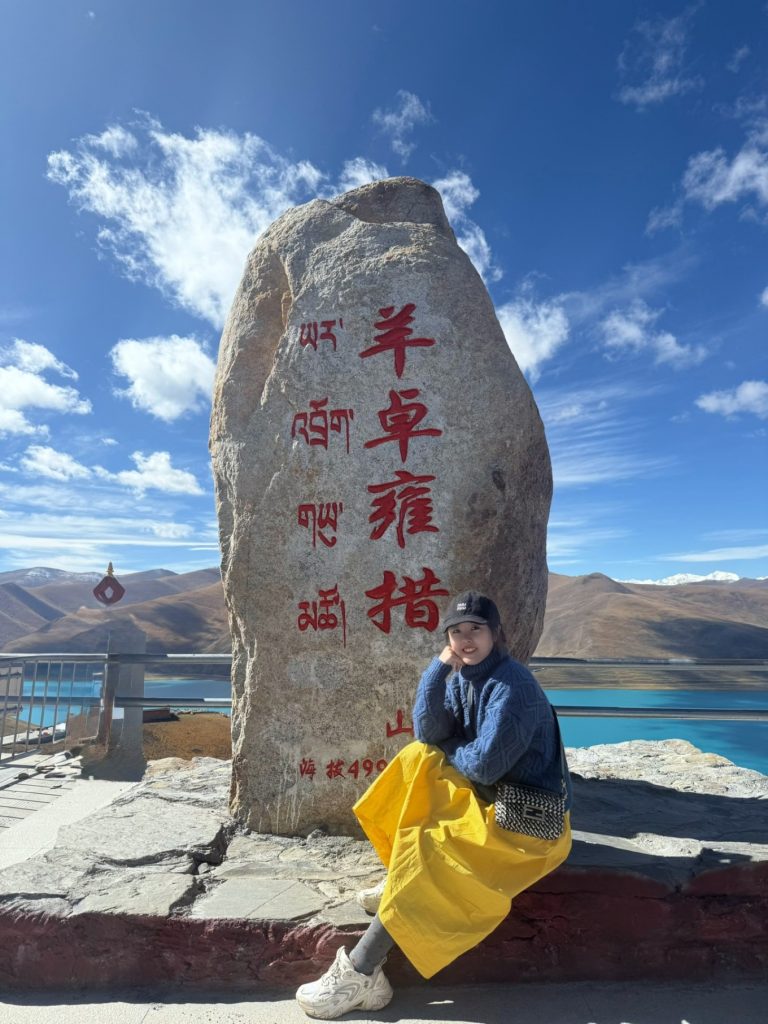
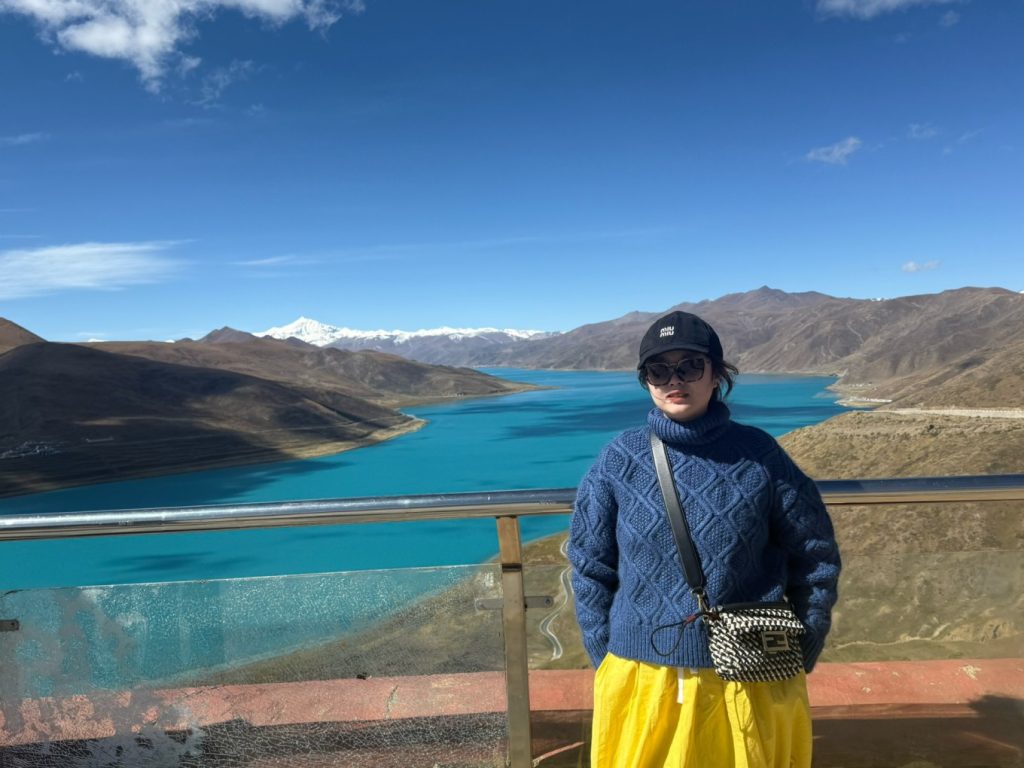
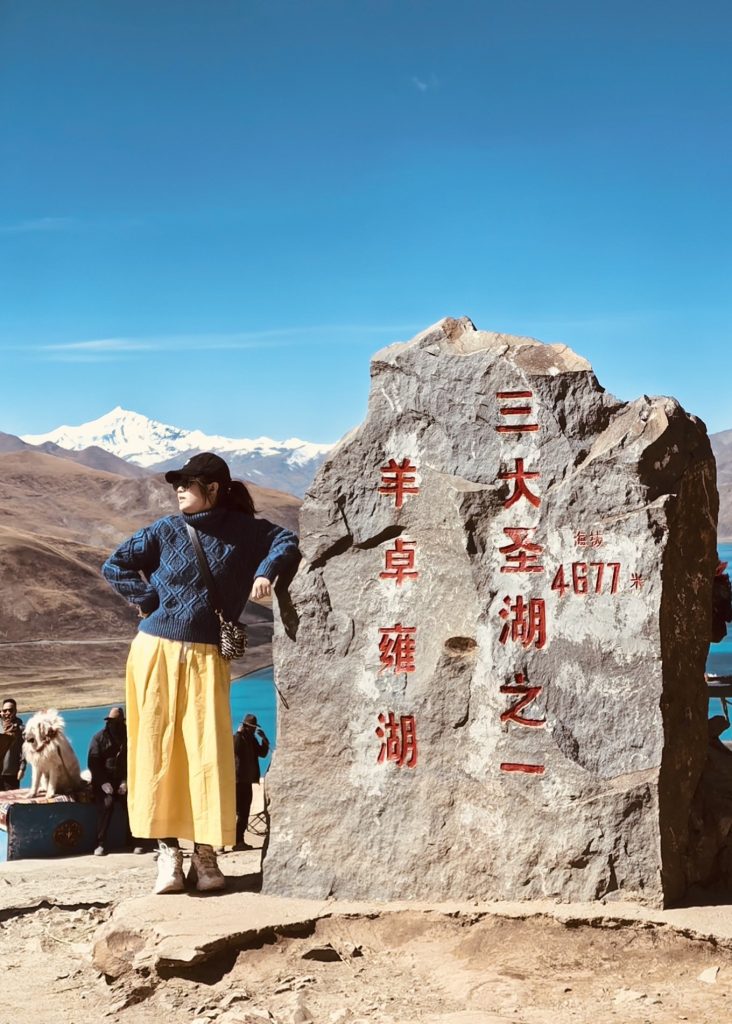
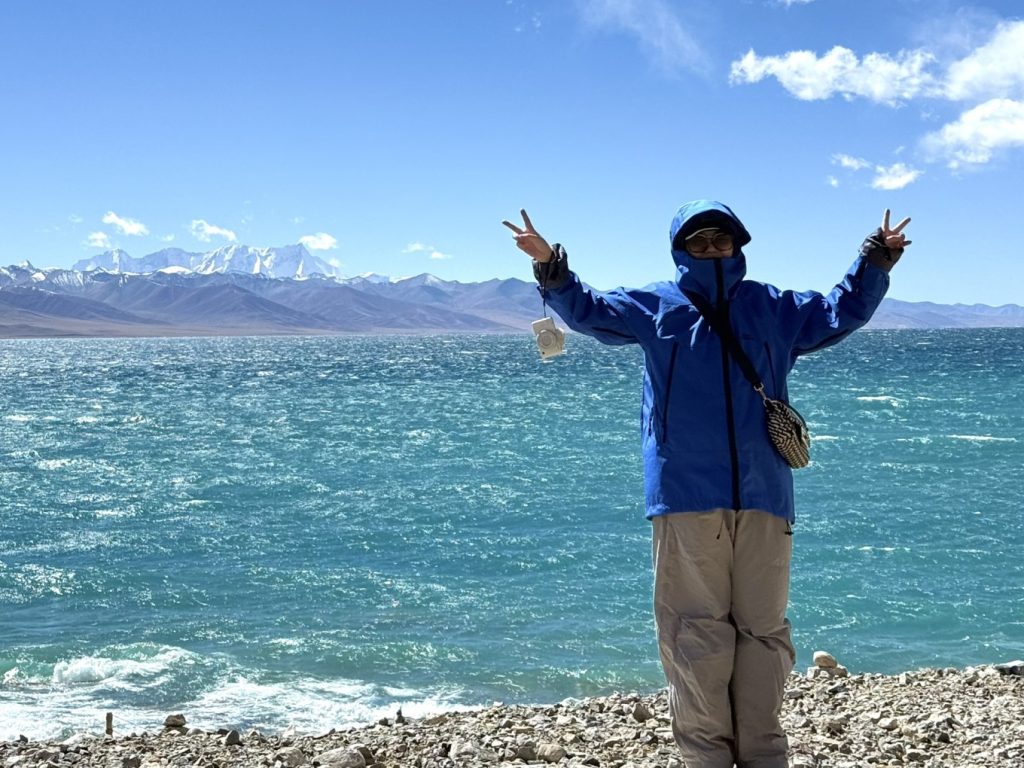
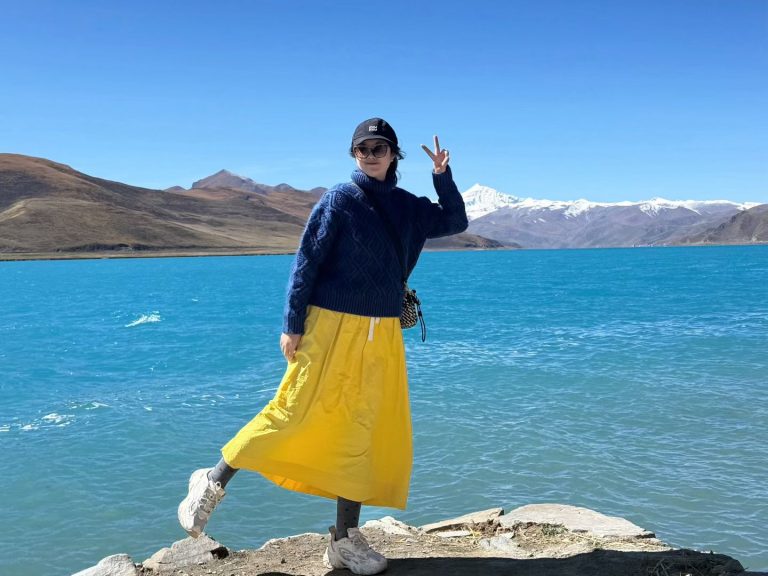
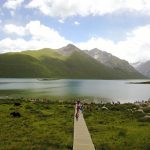
- Day 5: Drive to Yamdrok Lake (one of three sacred lakes in Tibet).
- Day 6: Travel to Shigatse via Gyantse and visit Tashilhunpo Monastery.
- Day 7: Return to Lhasa and fly out.
If you have more than seven days, I would also highly recommend you to consider extending your trip to Mount Everest Base Camp (EBC) for an unforgettable sunrise over the highest peak in the world.
Where to Stay in Tibet
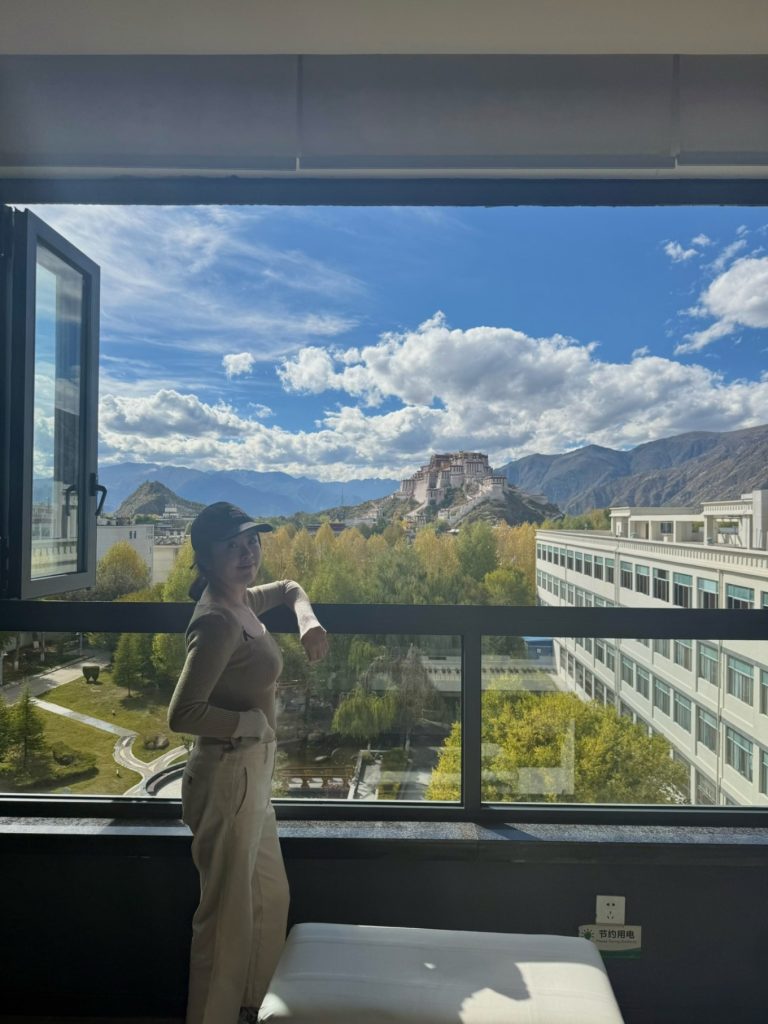
In larger Tibetan cities like Lhasa and Shigatse, you can find anything from cozy boutique hotels to international chain hotels. In smaller towns or the Everest base camp area, the accommodations are not as fancy, but they are often characterized by a local hospitality that you don’t find elsewhere.
For example, in Lhasa, I personally prefer staying near Barkhor Street. It is just a short walking distance from Jokhang Temple, and the neighborhood is quiet and full of local life at night.
The following are a few of my personal favorite and popular places to stay in Tibet:
- Tashi Choeta Boutique Hotel: traditional Tibetan style and staff is very friendly.
- House of Shambhala: known for its warm decor and great view of Potala Palace from the rooftop.
During the peak travel season from May to September, it is highly recommended to book in advance, particularly if you are not fond of staying in local guesthouses.
Tips for Coping with High Altitude
Despite having grown up in China, I still suffered from altitude when I first arrived in Lhasa, which has an elevation of 3,650 meters, or almost 12,000 feet above sea level.
Here are my top tips to foreign travelers to help cope with high altitude in Tibet:
- It is important to take the first two days easy, rest, and hydrate.
- Avoid alcohol and greasy food early on in your trip.
- Bring altitude sickness pills (available in many brands such as Diamox or local equivalent) and oxygen canisters (readily available in Lhasa shops).
- Most people can acclimatize within 2–3 days. If you experience continuous symptoms of dizziness and nausea, alert your guide.
What to Pack for Tibet
The packing list for Tibet largely depends on the season of the year you travel and weather conditions may fluctuate, particularly during the summer.
Here are some of the essential items you may want to bring:
- Layered clothing: light jackets, thermal tops, fleece.
- Waterproof windbreaker.
- Sunglasses and sunscreen (high UV index and intensity).
- Comfortable walking shoes.
- Hat or scarf to protect your skin from the sun.
- Power bank and universal power adapter.
- Tissues and hand sanitizer (many toilets are not equipped with these).
- Snacks are also very handy during long car drives between different towns and attractions.
If your travel plan involves leaving Lhasa, it is always a good idea to have some extra warm clothes. Temperatures can quickly drop at night in remote areas and high altitudes.
Food and Cultural Etiquette in Tibet
Tibetan food is relatively simple yet hearty and filling. I especially enjoyed butter tea, tsampa (roasted barley flour), yak meat stew, and momo dumplings. There are also plenty of Chinese, Nepalese, and Western restaurants in Lhasa, but their food is usually more expensive.
A few cultural etiquette tips:
- Walk in a clockwise direction around monasteries and prayer wheels.
- Ask for permission before taking photos of monks or locals.
- Avoid touching people’s heads.
- Politely accept if someone offers you butter tea (you can just take a sip).
- Simple, thoughtful actions can go a long way in terms of showing respect for the local Tibetan culture.
Sample Budget and Tour Costs for Tibet
Foreigners are required to join a guided tour organized by a Tibetan agency, which varies by size, length of the itinerary, and quality of hotels. A standard 7-day Lhasa-Shigatse tour is around a mid-range price, and Everest Base Camp extension is slightly higher in cost due to the longer distance and additional permit fees.
All tours generally include hotel accommodation, transport, tour guide, and various permits. However, it does not cover flight tickets, and personal expenses. Some websites you can check are Tibet Vista or Explore Tibet.
Travel Tips from a Local
- Acclimatize first and adventure later. Don’t try to rush to Everest on your first two days in Tibet.
- Book your train or flight in advance, especially during the travel season.
- Make a few photocopies of your permits and passport.
- Bring some cash in RMB with you. ATMs can be unreliable outside of major cities.
- Be mindful of local restrictions for photography within the temples.
- Travel insurance is mandatory and the insurance you purchase must include high-altitude coverage.
Is Tibet Safe for Foreigners?
Yes, Tibet is very safe, and the local Tibetan people are very friendly. The guided tours take care of your safety with a professional English-speaking guide that knows the language and culture.
Altitude sickness is the only thing to be aware of in Tibet.
During my visit to Lhasa, I have never felt more at ease than walking around Barkhor Street in the evening, observing Tibetan pilgrims circling Jokhang Temple while prayer flags were waving in the wind.
Final Thoughts
Tibet is more than a travel destination. It is a spiritual place that will stick with you long after you return home. The planning process may take some more effort for foreigners, but it is all worth it in the end.
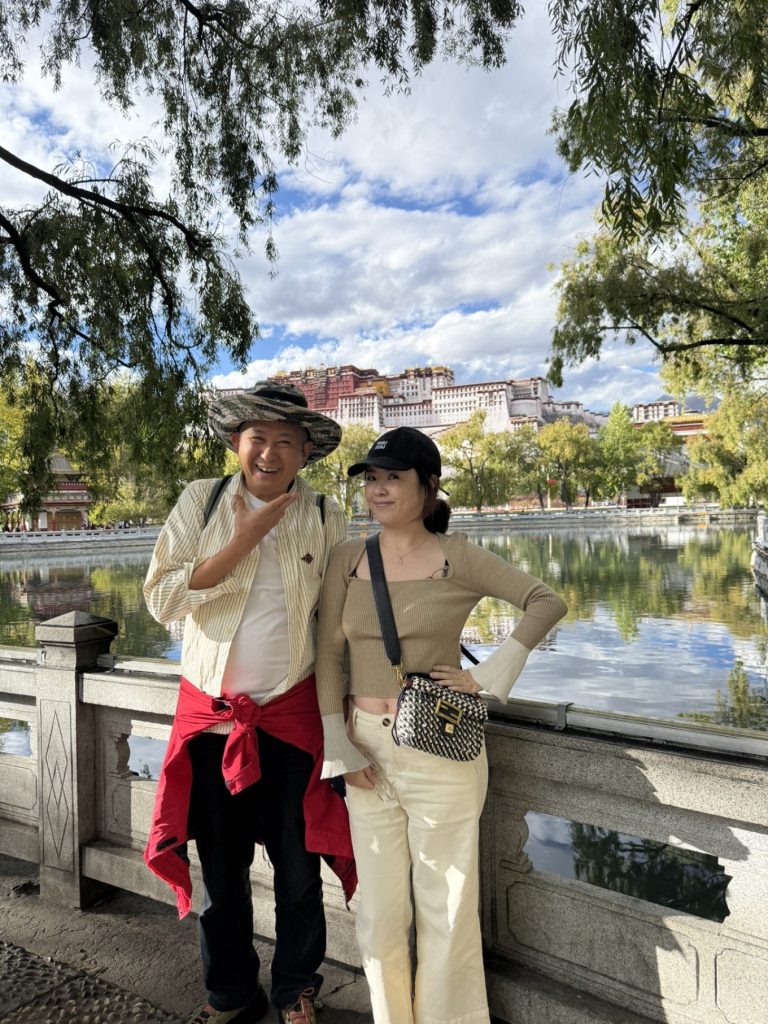
From witnessing the Potala Palace against the morning sun to watching the mountains and the sky at Yamdrok Lake, you will know why so many call Tibet the heart of the Himalayas.
If you are interested in visiting Tibet, my best advice is to plan well, travel respectfully, and always keep your heart open. The mountains will thank you with memories that will last you a lifetime.
Share your experience if you have been to Tibet or ask any questions below. I will be more than happy to help your journey.



How to Plan a Trip to Tibet?