

Traveling to China is an extraordinary experience. The country is a fascinating mix of ancient history, futuristic cities, exotic local culture, and amazing nature. Whether you visit Beijing for the Great Wall, explore the Li River in Guilin by day cruise, or get lost in Chengdu’s famous alleys, some advance preparation can ensure a smooth trip.
But where to start? What to bring on a trip to China? From clothes and tech to cultural differences and useful tips, this comprehensive guide has you covered.

No matter if you are visiting China for the first time or it’s not your first visit, let’s make sure you have everything you need before you board that plane.
- China’s Travel Climate
- Travel Documents
- Currency & Payment
- Electronics
- Clothing & Footwear
- Toiletries & Personal Care
- Health & Medication
- Travel Accessories That Make Life Easier
- Tech Tools & Apps to Download Before You Go
- Travel Gadgets Worth Packing
- Cultural & Practical Considerations
- China Regional Travel Tips
- Packing Checklist Summary
- Bonus: What Not to Bring to China
- Real-World Tips For China Travel
- Final Thoughts
China’s Travel Climate
China is a massive country of five time zones, five climate zones, and huge regional differences. Your packing list will vary dramatically based on when and where you visit.
Northern China (Beijing, Harbin) can see freezing winter weather, while Southern China (Guangzhou, Shenzhen) is usually mild and humid. Western China (Tibet or Xinjiang) can have sweltering days and freezing nights.
Before deciding what to bring to China, review the average weather forecast for your travel month and destination. A May visit to Shanghai is completely different from a December visit to Harbin Ice Festival.
Note that climate change is impacting the weather in China as well. Traditionally southern regions used to see strong monsoons and typhoons. In recent years, precipitation levels have gone down, while summers are getting hotter and longer. Make sure to check the seasonal weather for your destination to avoid unpleasant surprises.
Nonetheless, let’s start with the general items all travelers should have when visiting China.
Travel Documents
Before you pack clothes and electronics, make sure you have all required travel documents in order.
China has strict entry requirements, and at immigration (or when checking into your hotel), you will need to present several documents.
Documents you will need for entry to China:
- Passport: Valid for at least six months from the date of entry.
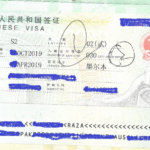
- Chinese Visa: Required for most nationalities (apply 1–2 months in advance). Make sure the visa is the correct type for your purpose of travel.
- Return Ticket & Hotel Booking: May be required upon immigration.
- Travel Insurance: Mandatory in some Chinese visa application centers. Always advisable to have.
- Copies of important documents: Keep photocopies of all documents and a digital backup of your passport and visa in your email or cloud drive.
Tip: Some major cities have self-check-in/customs kiosks for foreigners on exit/entry. Scan all the documents on the screen and move along to save time.
Currency & Payment
China’s payment system is notoriously cashless. It is common for locals to pay for almost anything using Alipay or WeChat Pay.
Non-local visitors can use these apps as well by linking a foreign Visa or Mastercard within the apps. This makes life immensely easier – from paying for bubble milk tea to ordering Didi rides.
What to bring for payment in China:
- Visa or Mastercard that works internationally.
- Cash in Chinese Yuan (CNY) – it is good to have small bills (10–50 RMB) if you buy something from small vendors or go to rural areas.
- Download Alipay and WeChat Pay apps and complete the ID verification process.
Pro tip: ATMs from major banks such as ICBC or Bank of China work with international cards. However, many small shops and street vendors don’t accept cash these days, so you will rely on digital payments.
Electronics
China has type A, C, and I sockets (the same as Australia and some Asian countries). Voltage is 220V.
What to bring electronics-wise:
- Universal travel adapter with surge protection.
- Power bank (20,000 mAh maximum capacity allowed in carry-on only) – Power bank (carry-on only; must bear a valid 3C / CCC certification — un-certified or recalled power banks are banned on China domestic flights.
- USB charging cables for all your devices.
- VPN subscription and pre-install it (download it before landing).
- Unlocked smartphone (required to use a local SIM card or eSIM).
- Staying Connected: SIM Cards and VPN
- Mobile internet access in China is fast but heavily restricted. You won’t be able to access common Western sites, including Google, YouTube, WhatsApp, Facebook, and Instagram.
To access social media, you will need two things:
- Local SIM/eSIM for mobile data.
- VPN installed before you land in China (VPN sites themselves are blocked in China).
- Recommended apps:
- eSIMs: Airalo or Nomad offer fast and easy data plans, without physical SIM cards or swapping.
- VPNs: ExpressVPN, NordVPN, Surfshark.
Pro tip: Download VPN apps in advance – after you arrive in China, you will not be able to access the app stores for installation.
Clothing & Footwear
As for the clothing and footwear, here’s a key tip. When deciding what to bring on a trip to China, go for function over fashion.
Chinese locals tend to dress modestly, especially outside of Shanghai or Beijing, and comfort is key when planning long walking days in China.
China clothing tips:
- Bring comfortable walking shoes – you will spend a lot of time on your feet visiting tourist attractions or walking up and down stairs.
- Bring light layers – breathable shirts and thin sweaters work well as temperatures can vary widely.
- Bring weather gear – a rain jacket or compact travel umbrella is vital for most Chinese cities with their humidity.
- Winter clothing (December–February): A down jacket, gloves, thermal wear, and a warm coat are essential for winter months in Northern China.
- Bring sunscreen and a hat – summers in China can be quite hot, particularly in Xi’an or Chengdu.
- Pack respectful, non-revealing clothes to wear in temples or rural areas.
Toiletries & Personal Care
Basic toiletries are easy to find in China. However, imported brands can be quite expensive. You will also struggle to find Western-style deodorant or tampons outside major urban areas.
Toiletries to bring to China:
- Travel-sized shampoo and conditioner.
- Travel-sized toothbrush and toothpaste.
- Travel-sized deodorant, sunscreen, lip balm.
- Hand sanitizer and wet wipes.
- Tissues (most public toilets don’t provide tissues).
- Hygiene products: Bring your own stock of tampons or menstrual pads if you prefer Western brands.
Health & Medication
Medications are available for purchase in China, but all packaging is in Mandarin. I recommend travelers to bring their own if they need certain brands or prescription drugs.
Health & medication to bring to China:
- Personal prescription medication (keep it in original packaging).
- Basic over-the-counter medicines you can purchase in China: Painkillers (ibuprofen, paracetamol), anti-diarrheal medication, motion sickness pills, antihistamines.
- First-aid kit with plasters, antiseptic wipes.
Pro tip: Declare prescription medication at customs if you bring in a large amount (let customs officers open the boxes).
Travel Accessories That Make Life Easier
The following small travel accessories will make life a lot easier in China.
- Reusable water bottle (China’s tap water is not drinkable, but hotels usually have hot-water kettles for refilling water bottles).
- Travel towel (some guesthouses don’t supply towels).
- Daypack (ideal for day trips or city exploration).
- Portable Wi-Fi/eSIM as a backup for staying connected.
- Luggage locks (useful for trains and shared accommodation).
Tech Tools & Apps to Download Before You Go
China’s digital ecosystem is very different from the West. Most Western apps and social media do not work in China. Download these apps in advance:
- Baidu Maps or Amap (Gaode Maps) – Google Maps alternative, more accurate in showing locations.
- Didi – local ride-hailing app, English version available.
- Ctrip or Trip.com – for domestic flight and train bookings.
- Meituan / Dianping – for food delivery and restaurant recommendations.
- Pleco – the most popular Chinese dictionary and translation app.
- ExpressVPN / NordVPN / Surfshark – for using Gmail, Google search, or Instagram.
- Alipay / WeChat Pay – for payments everywhere.
Travel Gadgets Worth Packing
China’s infrastructure is modern and well-connected, but these travel gadgets will make your stay even more comfortable.
Travel gadgets worth bringing:
- Noise-canceling headphones to use on long high-speed train journeys.
- Kindle or tablet for reading (Google Books may not work in China).
- Portable laundry kit if you travel long term in China.
- Compact travel umbrella.
- Mini flashlight for night markets or rural areas.
Cultural & Practical Considerations
Local etiquette and customs are as important to learn as packing the right items. Here are some cultural considerations to keep in mind when deciding what to bring to China.
- Cashless culture: Embrace cashless culture and prepare mobile payments in advance.
- Toilets: Be prepared for squat-style toilets in public places. Always bring tissues.
- Air pollution: Air pollution is a big problem in China (especially in winter months in the north). Bring an N95 mask to protect yourself from PM2.5 particles in the air.
- Gift etiquette: Small souvenirs (postcards or chocolates) are well-received as gifts if you visit someone’s home.
- Tipping: There is no tipping culture in mainland China, except in luxury hotels.
Pro tip: It’s good to learn a few Mandarin phrases in advance. Simple phrases like “Nǐ hǎo” (hello) and “Xièxiè” (thank you) will impress and help you out in your trip.
China Regional Travel Tips
China’s regions also have different packing lists. Some key destinations in China with regional travel tips include:
- Beijing & North China: Bring a warm coat (if traveling in winter). Dust mask will help during smoggy days.
- Shanghai & East Coast: Light jacket for spring/fall. Chic city style.
- Guangzhou / Shenzhen: Hot and humid – fast-drying clothing is best.
- Chengdu / Chongqing: Umbrella and tissues for rainy days. Hot and spicy!
- Tibet / Yunnan: Sunscreen and sunglasses. Altitude medication if needed.
Packing Checklist Summary
Here is a packing checklist summary for what to bring on a trip to China:
| Category | Items to Bring |
|---|---|
| Documents & Money | – Passport, visa, insurance, return tickets – Copies of all important documents – Credit card, Alipay, WeChat Pay |
| Electronics | – Universal adapter, VPN, power bank – eSIM / SIM card, charging cables |
| Clothing | – Layers according to weather – Comfortable shoes, rain jacket |
| Health | – Personal medication – First-aid kit, sanitizer |
| Toiletries | – Tissues, sunscreen |
| Apps | – Trip.com, Didi, Alipay, WeChat Pay – VPN, Pleco |
| Extras | – Reusable water bottle – Luggage locks, daypack |
Bonus: What Not to Bring to China
A few things are best to leave at home. Either they are restricted, unnecessary, or not easily available to purchase in China.
- Google hardware devices (e.g. Chromecast): They won’t work due to restrictions.
- Too much cash: Most stores and hotels are cashless.
- OTC medication in bulk: May be seized by customs.
- High-powered drones: Require special permission for use in cities.
- Political books or content: Highly sensitive – better not to bring.
Real-World Tips For China Travel

As a frequent traveler to Beijing, Shanghai, Sichuan, and Fujian, these are my tips from real-world experience to improve your travel to China.
- Bring extra charging cables. You will use your phone for navigation, translation, and mobile payments all the time.
- VPNs can drop from time to time (Internet quality is not always great in China). Have offline backups such as pre-downloaded maps and offline translation packs.
- Be patient with security checks at airports/train stations. They are very strict in China – they will scan all your bags multiple times.
- Always carry tissues (yes, I really mean it).
- Dress modestly in temples – even if it is summer and very hot.
Final Thoughts
Packing for China doesn’t have to be complicated or confusing. It is key to balance practical travel items with the local cultural considerations.
China is one of the world’s most interesting travel destinations. Safe, modern, and full of surprises, China is truly unique. Making sure you have all your digital tools, adapters, and essentials ready to go will allow you to focus on what matters – exploring the ancient hutongs of Beijing, eating spicy hotpot in Chongqing, and enjoying the incredible contrasts of this ever-changing country.
So now you know exactly what to bring on a trip to China. Pack your bags, install your apps, and get ready for an unforgettable experience.


















Leave a Comment