

Myanmar (Burma) is a country of ancient traditions, colonial history and Buddhist fervor in quietly obstinate resistance to the chaos of the modern world. Even the name is politically charged: Myanmar is the officially preferred name used by the military government, while many outside the country still use “Burma” for ideological reasons. Whichever name you prefer, there’s no denying this is one of the more mysterious countries out there.
Home to over 90% Theravāda Buddhists despite decades of military dictatorship, economic isolation and civil war, Myanmar’s spirituality shines in every resplendent pagoda and in the tranquil smiles of monks, nuns and villagers.
In this 5-day Myanmar itinerary, we’ll explore the soulful capital city of Yangon, the temple-dotted plains of Bagan and the former royal capital of Mandalay: a mix of piety, scenery, culture, and of course, some delicious surprises along the way.
- Day 1. Arrival in Yangon – Shwedagon Pagoda & Local Train Ride
- Day 2. Visit Bagan: Temples, Pagodas and Ancient Art
- Day 3. Sunrise, Hot Air Balloons and Mandalay Transfer
- Day 4. Mandalay: Monks, Milk Cake Pagoda, and Sunset at U Bein Bridge
- Day 5. Chinatown Farewell & Last Sips in Yangon
- Transportation Tips
- Where We Stayed
- Budget Breakdown (Per Person)
- Final Travel Tips
- Conclusion
Day 1. Arrival in Yangon – Shwedagon Pagoda & Local Train Ride
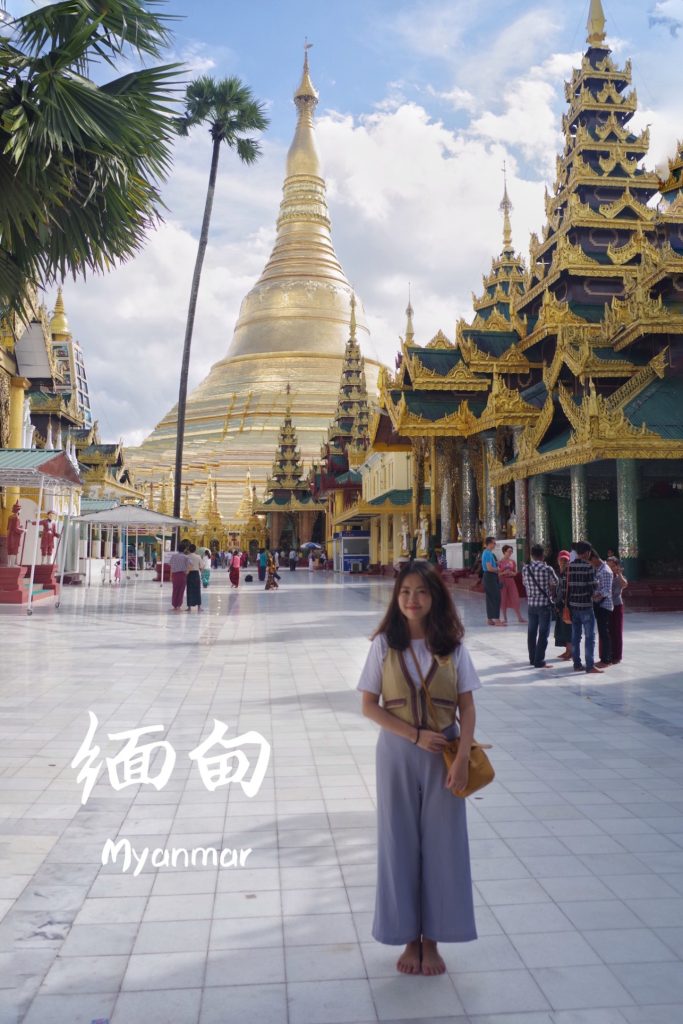
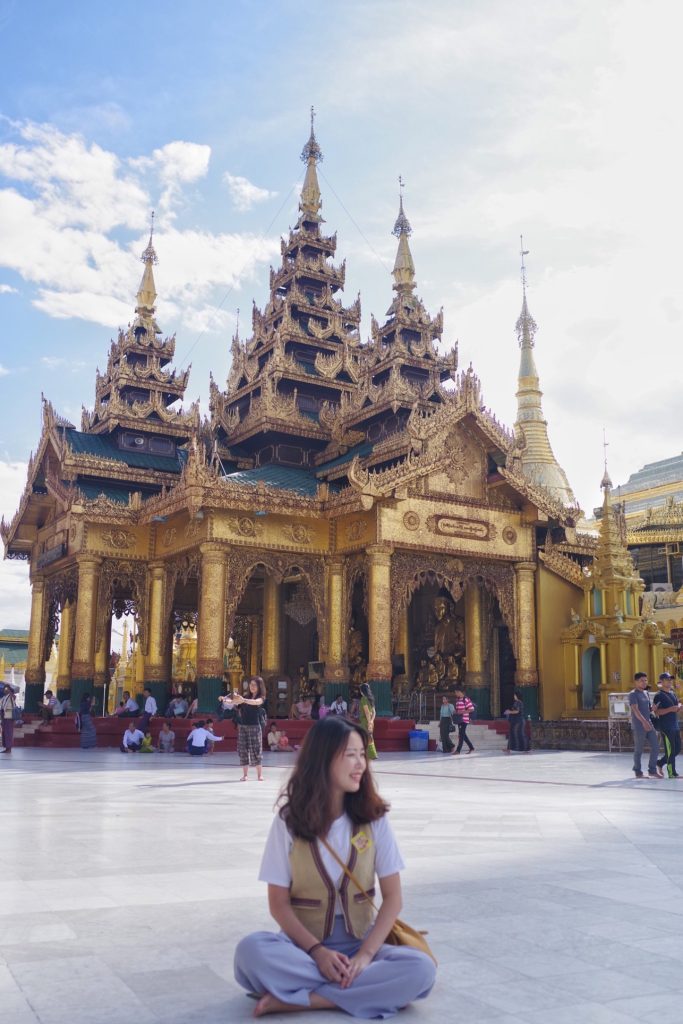
We flew Jetstar (just under 3 hours) into Yangon from Singapore and, despite the famously clogged traffic of Yangon, made our way by grab taxi to Yangon’s most famous landmark, the Shwedagon Pagoda. The gold-covered, glistening Shwedagon is the first stop on our Myanmar itinerary, a spiritual (literally) beginning to our trip.
Shwedagon Pagoda
Legend holds that one of its stupas contains relics from four of the past Buddhas and as such, Shwedagon Pagoda is one of the most holy Buddhist pagodas in Southeast Asia. From the street, you can hear the soothing clinking of wind chimes at Shwedagon’s gilded main stupa, which is in the shape of an eight-pointed star (each point represents one day of the week, except Wednesdays which are split in two).
Despite the throngs of sightseers that come to marvel at the pagoda’s ornateness, it felt intimate and personal: local worshippers praying, monks meditating under the shade of umbrella-covered trees, and local children running barefoot and giggling between the thousands of visitors.
Sitting on the grass under a sun-baked stuppa, I looked around and just exhaled. I felt peaceful in a way that’s hard to describe.
Yangon Circular Train
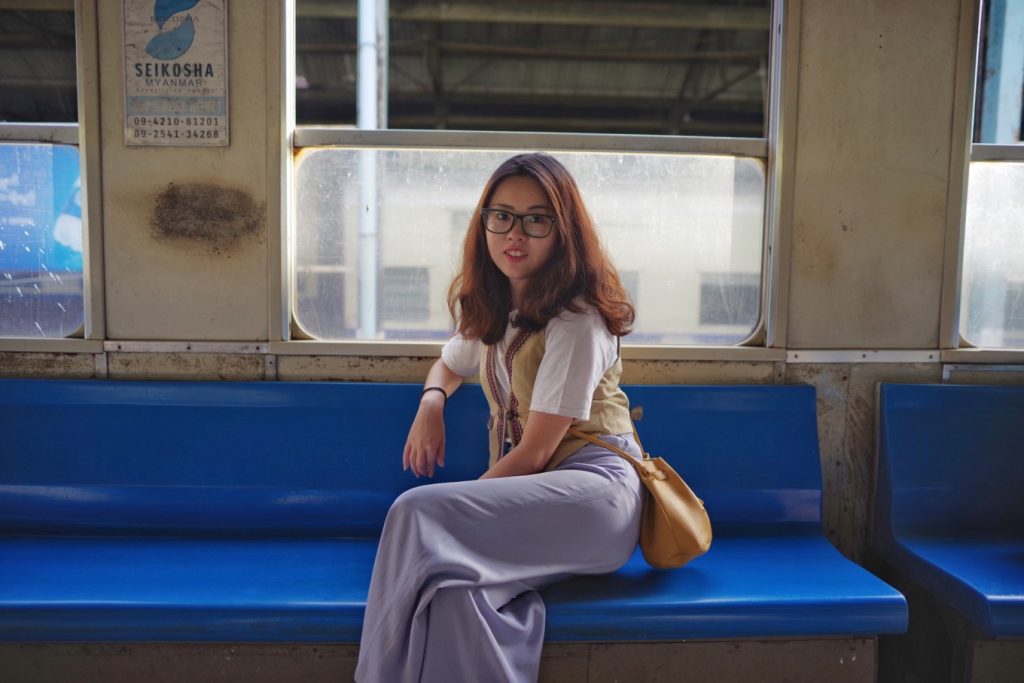
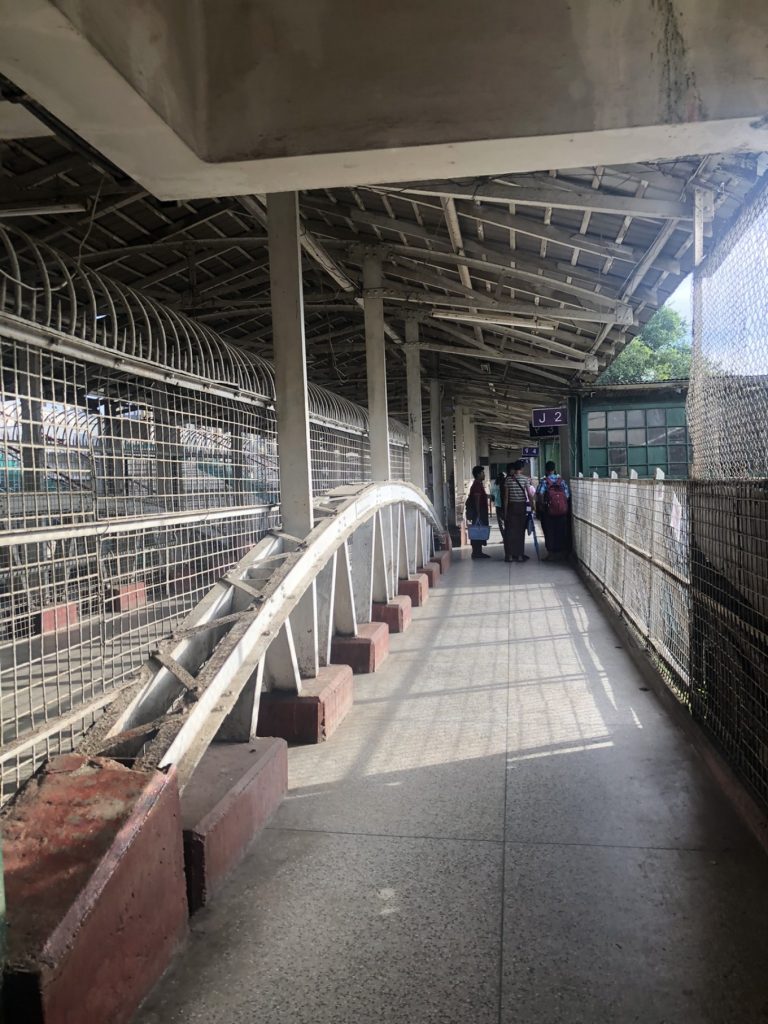
Later in the afternoon, we took the local train from Yangon Central Station (pack some wet wipes, it’s a pretty humid ride). This train was built during Japan’s Shinkansen bullet train era and there’s no air-conditioning.
Boarding with our 200 kyat tickets in hand, we were completely enveloped by locals commuting between stops, vendors hawking boiled eggs, limes and fruit, and curious kids waving and giggling as the train rattled by. It was pure and visceral, a Myanmar experience in a nutshell.
That night, we jumped on the JJ Express night bus to Bagan—a much cleaner and more comfortable bus than our overnight ride from Mandalay to Yangon. Reclining leather seats, complimentary bottled water, charging outlets, a padded divider. Bonus! If you’re trying to save on accommodation, a night bus is not a bad way to spend the night.
Day 2. Visit Bagan: Temples, Pagodas and Ancient Art
We arrived in Bagan around 6am and were met by a hotel staff member holding a sign with my name. My Bagan Residence by Amata was a local budget hotel, and allowed us to check-in early if we wanted (we were sleeping at the moment, so bonus big thumbs up for that! ).
After a bit of rest, we got moving for a full-day pagoda tour.
Must-See Pagodas
Shwezigon Pagoda – Bagan’s founding pagoda, completed in the 11th century. The stupa contains many glazed tiles and religious relics.
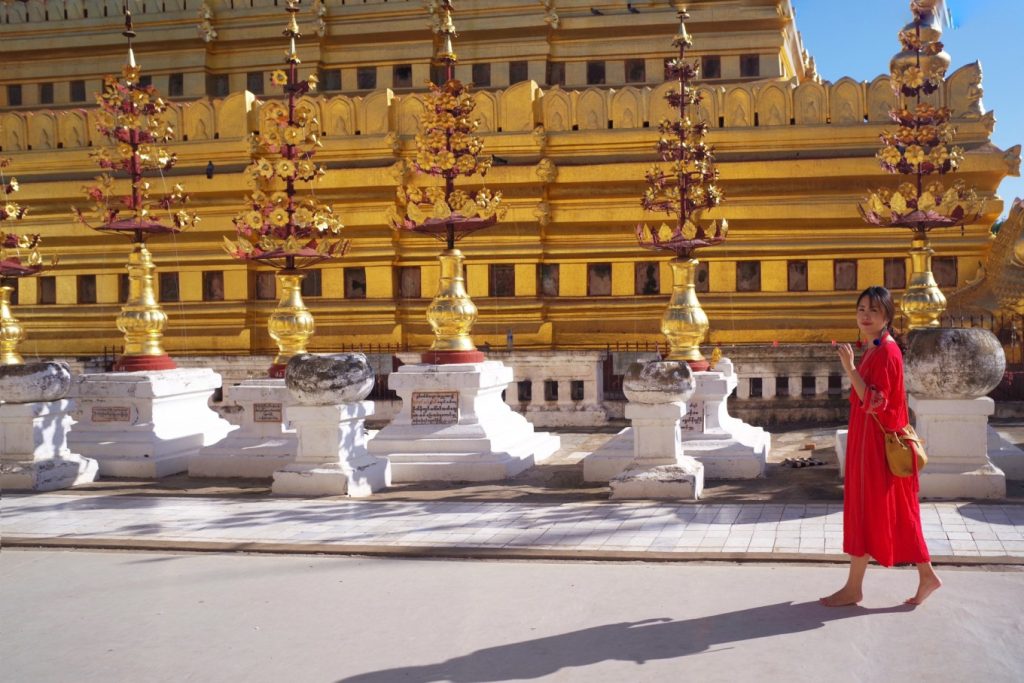
Ananda Temple – In my opinion, the highlight. The pale-pink-walled pagoda’s halls are peaceful and suffused with sunlight. I felt balanced and pure here. The pictures I took under the umbrellas here came out especially dreamy.
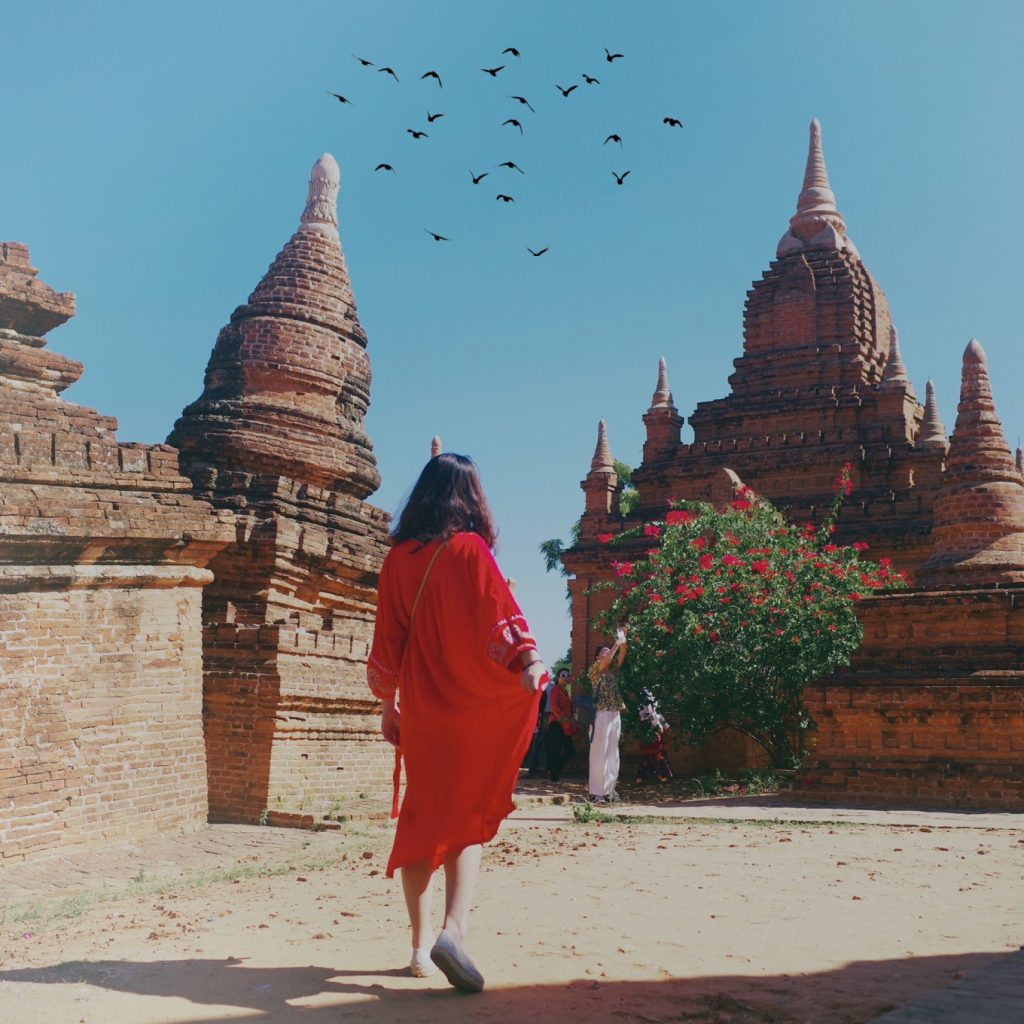
Dhammayangyi Temple – Bagan’s largest temple, complete with Mayan-pyramid structure. Legend has it that several workers had their fingers chopped off for putting the bricks in the wrong direction. Brutal, but the pagoda is stunning.
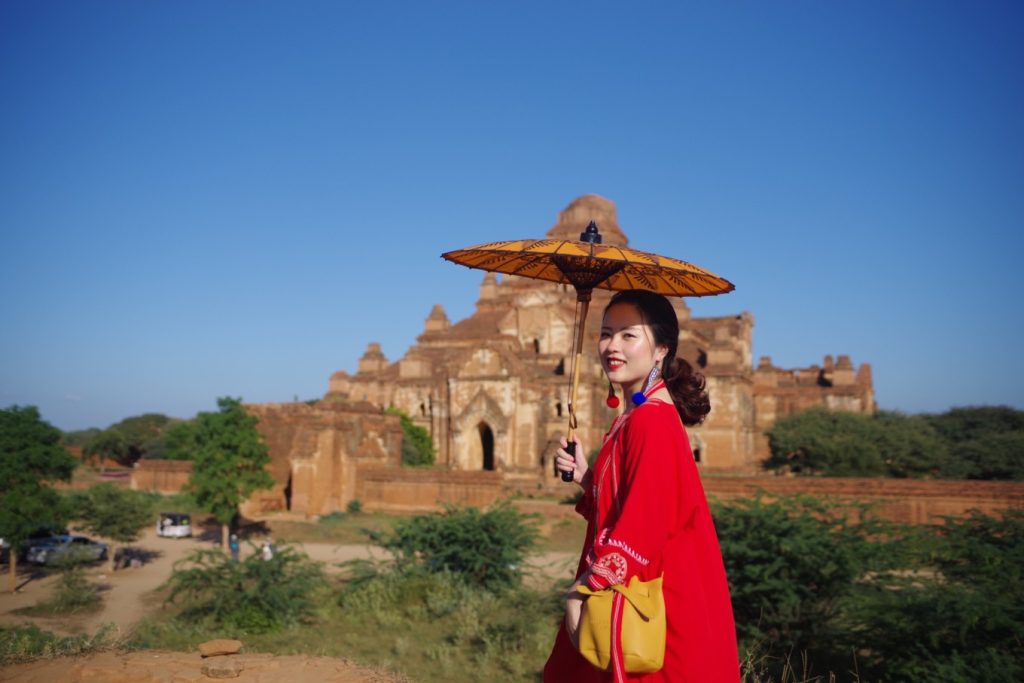
Thatbyinnyu Temple – The tallest temple in Bagan, at over 60 meters high.
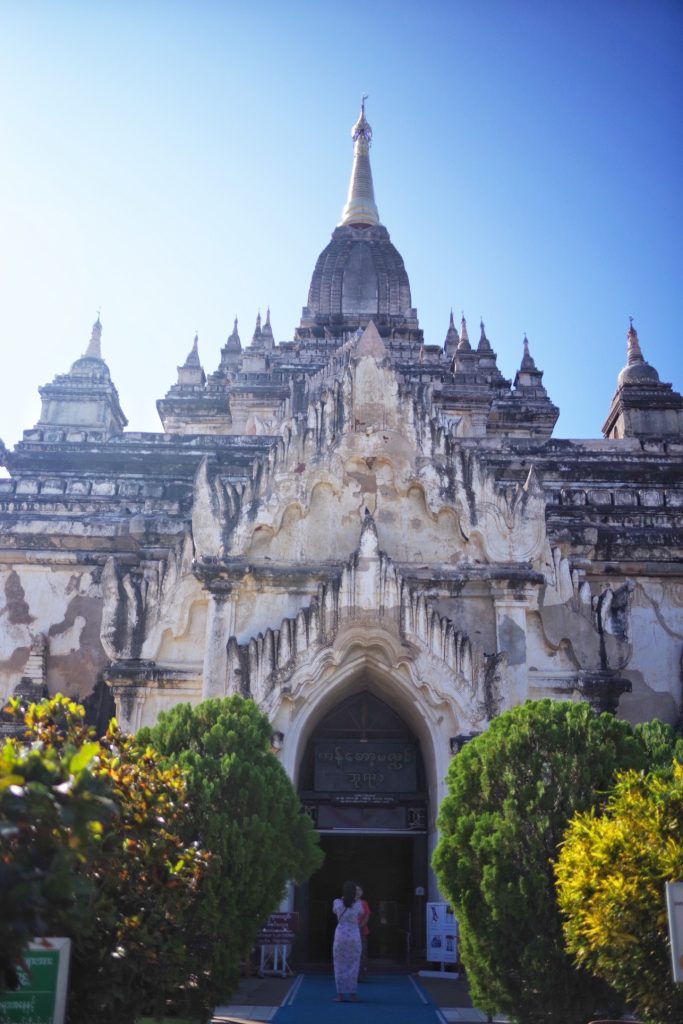
Sulamani Temple – Notable for its murals and plasterwork, this is a crown jewel of late Bagan architecture.
Sunset on the Hills
At 5:20pm we joined the teeming crowds up on a dusty hill to watch the sunset over the pagodas. We all fell quiet and stared as the sky turned a hot shade of gold. It wasn’t about snapping that perfect photo, though. We were all strangers, yet connected by an inexpressible stillness in that moment.
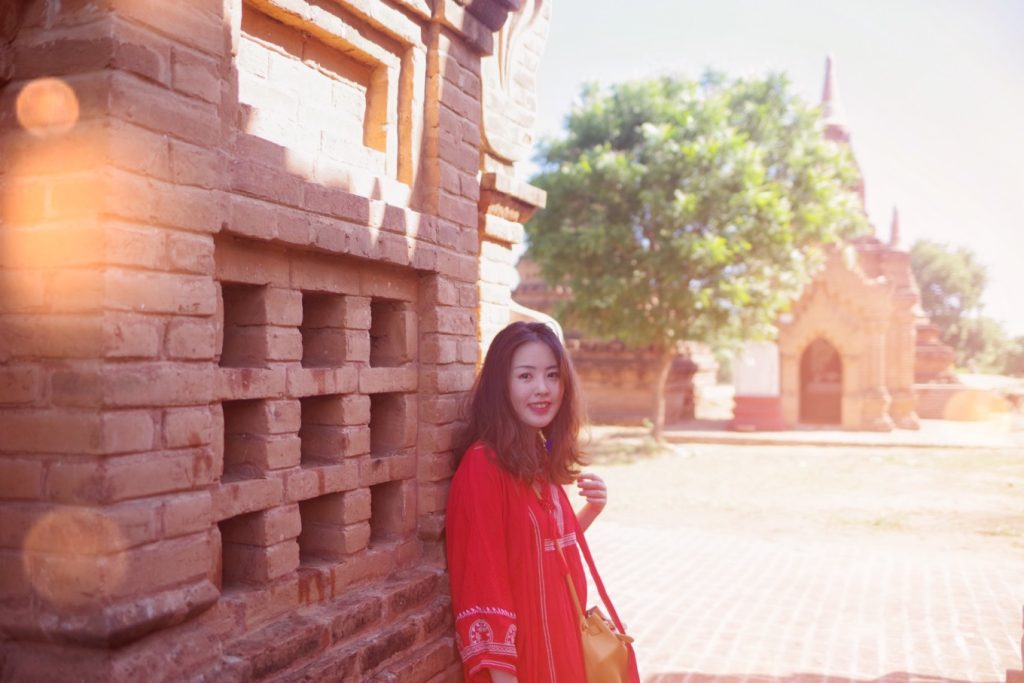
Day 3. Sunrise, Hot Air Balloons and Mandalay Transfer
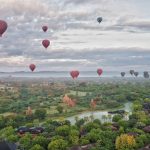
Wake before the sunrise and head to the Bagan Viewing Tower. It was quiet, with only a soft breeze, some rustling trees and the occasional bird call. Then the balloons started to rise. Slowly, they wafted over us and it was silent except for the rattle of the balloon baskets climbing higher and higher above the pagoda plains.
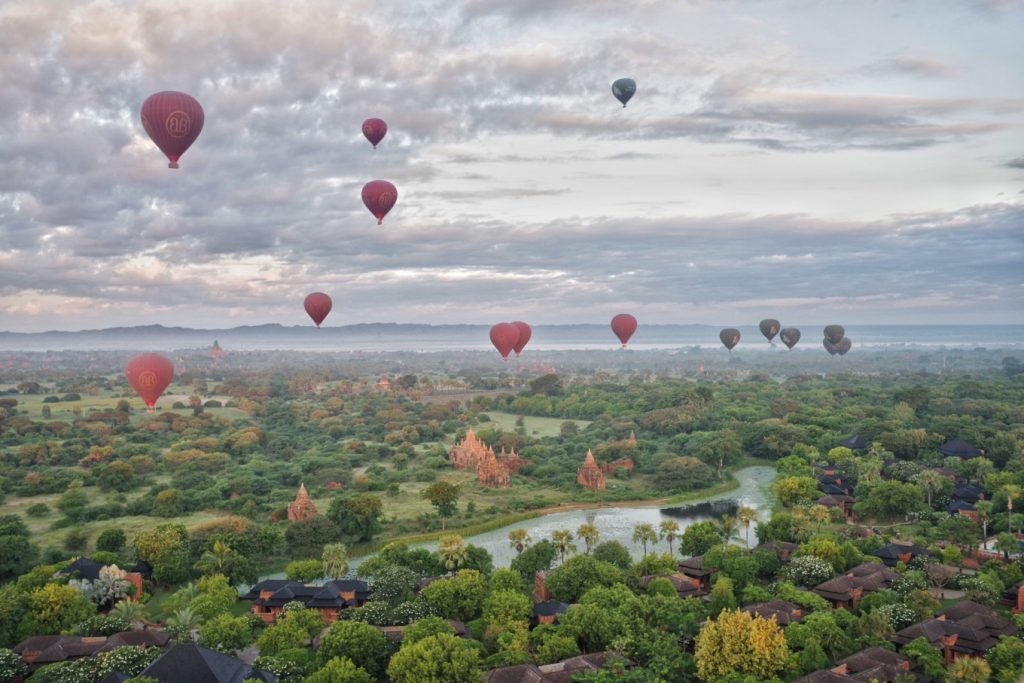
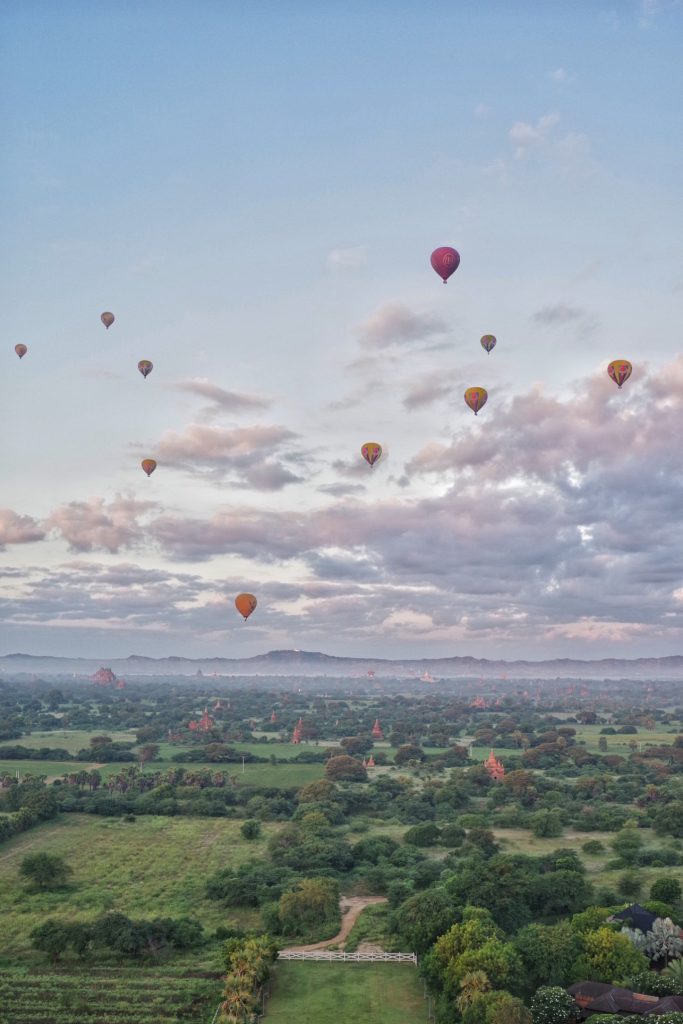
We didn’t get to go in one ourselves as it was $600 SGD, but watching the floating ships in the air over the temples was no less magic.
After a very Burmese lunch at a local teak house (chicken curry and pad thai are both excellent and fresh), we then jumped on the JJ bus to Mandalay for the next leg of our Myanmar itinerary.
Day 4. Mandalay: Monks, Milk Cake Pagoda, and Sunset at U Bein Bridge
Compared to Bagan, Mandalay feels more urban and modern. There’s more traffic and people in their teens and 20s. We stayed at Ostello Bello which was more of a hostel than a hotel but with the full amenities and a buzzing social scene of other backpackers. Good choice!
Maha Gandayon Monastery (Thousand Monk Meal)
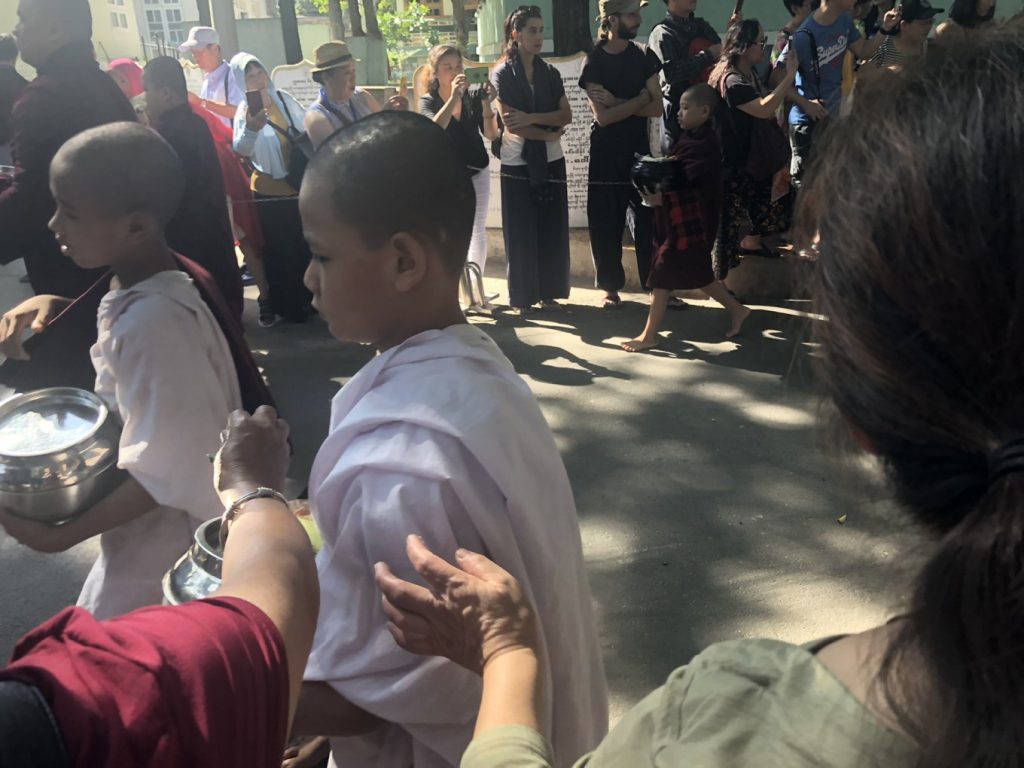
We arrived before 10am to the Maha Gandayon Monastery to watch the sacred once-a-day meal monks receive in silence. Over a thousand monks, no chattering, cameras, or phones, all lining up one by one for a bowl of rice and a tin of tuna. (Some tourists flung snacks or handed over crumpled bills to be poured into the bowls, but the monks remained fully present, focused on the ritual.)
Mingun Ancient Town
Rather than pay for the boat ride to Mingun, we drove one hour to Mingun Ancient Town. The centerpiece is the Hsinbyume Pagoda, which locals have dubbed the “milk cake pagoda” for its curving white shape. We squatted barefoot in the sizzling sun with our yellow umbrellas for a picture, which came out nice and surreal.
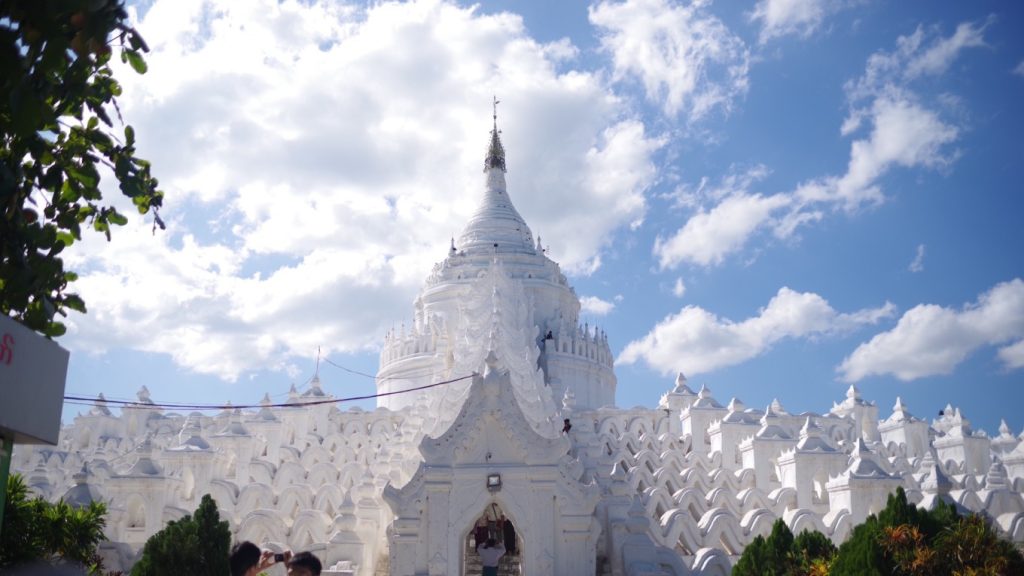
Nearby, the Mingun Pahtodawgyi, an unfinished pagoda still in progress during British colonial rule, is the largest brick building in the world. It was once meant to be the tallest pagoda in Myanmar to rival Mandalay Hill, but construction was later banned and never finished. Still, you can see the ambitious intent in the gargantuan building materials and half-formed structure
Lunch was at Garden Café: a Burmese dream with river views, friendly local faces, roaming calves, and delicious tangy salads.
U Bein Bridge Sunset
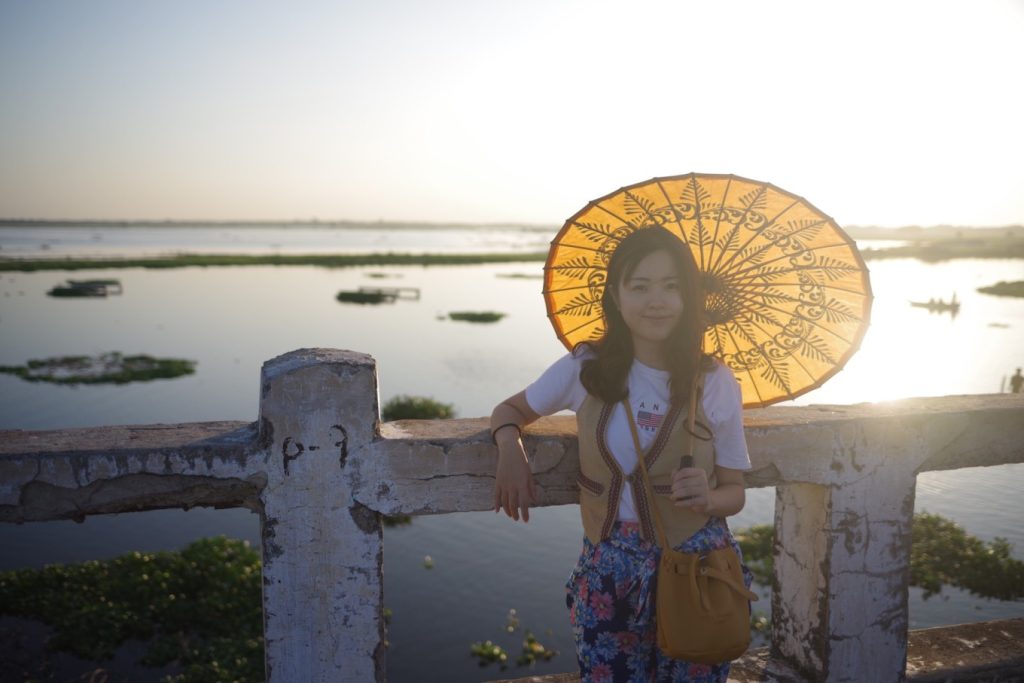
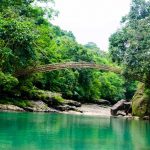
We capped off the day on U Bein Bridge, the world’s longest teakwood bridge. Locals cast fishing lines into the murky waters, whispered sweet nothings under cover of the long wooden planks, and Buddhist monks of all ages and sizes plodded from one end to the other. It’s one of the top 10 sunset spots in the world for a reason.
Day 5. Chinatown Farewell & Last Sips in Yangon
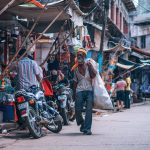
We had a leisurely final day with some downtime. We took the bus back to Yangon, and then checked into a dirt-cheap hotel in Yangon’s Chinatown. The streets were thronged, and as noisy and chaotic as the nearby backpacker district, but fun in their own way. Walking around the grid-like, numbered “17th Street,” “18th Street,” etc. gives you a sense of the Chinese temples and vendors that populate the area.
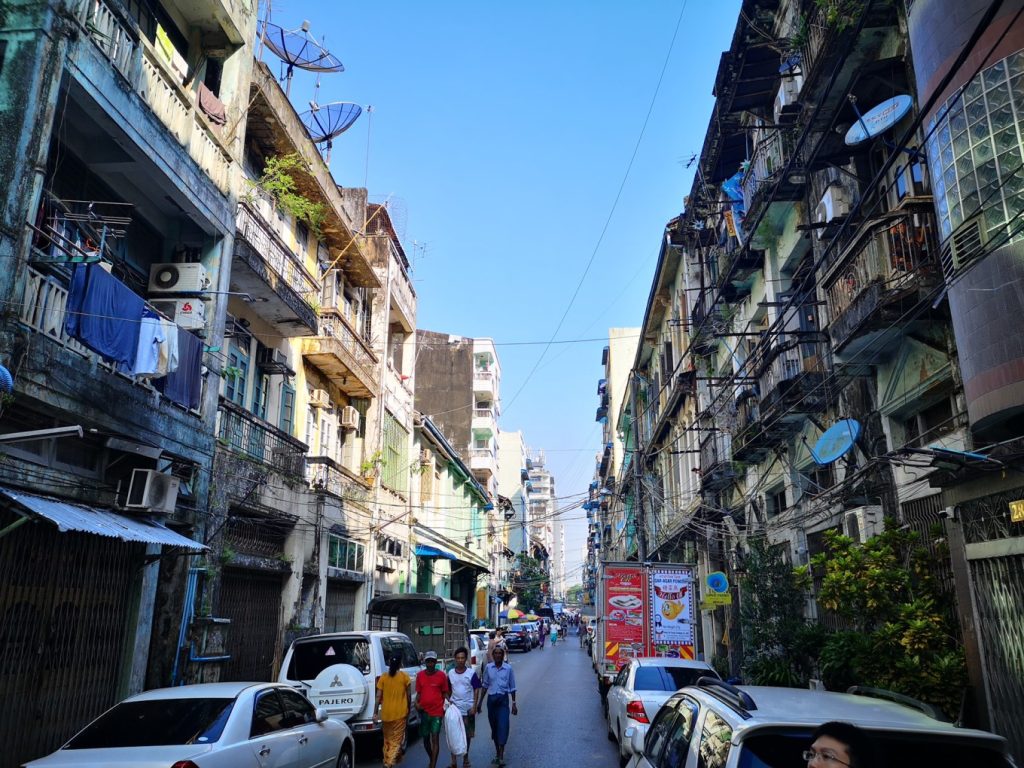
Coffee at Café Amazon, window-shopping at the upscale Junction Center (funnily enough one of the more modern buildings in Yangon), and finally a night at a local KTV bar singing obnoxiously in falsetto to Jay Chou songs before our flight.
Transportation Tips
International Flights: Jetstar (SG to Yangon) was a good option. 3 hours direct.
Buses: JJ Express was clean, reliable, and good value for long distance. Book on their website to select seats.
Intra-city: Grab in Yangon and Mandalay. Rent a car and driver in Bagan or an electric scooter (be prepared for the dust, it’s in your eyes, nose, and mouth! ).
Train: Hop on the Yangon Circle Line for a taste of local life—only about a dollar per person but no AC.
Where We Stayed
Bagan – My Bagan Residence by Amata
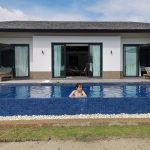
$60/night with pool, breakfast, and spacious but slightly dated rooms. Staff were super friendly.
We stayed at My Bagan Residence by Amata, which ended up being a perfect choice for us. It was a small boutique hotel in a quieter section of New Bagan. After a long overnight bus ride, it was a peaceful retreat with big rooms, a lush garden, and a pool area. It was a bit dated in terms of furnishings, but it was extremely comfortable – and more than good enough for the price. But what really impressed us was the hospitality. The staff let us check in early, fed us a simple breakfast, and helped us book our next JJ bus. At night there was a fun atmosphere, with fairy lights and live entertainment (like traditional Burmese puppet shows). It was just the sort of place where we could relax in between temple marathons.
Mandalay – Ostello Bello
$40/night, very hostel-like but good vibe and sociable, clean rooms, rooftop bar and chill crowd.
In Mandalay, we booked a hostel called Ostello Bello which was super social and went way beyond our expectations. I tend to stay away from hostels due to noise level and lack of privacy concerns. This one, however, had a happy energy that made us feel right at home. The staff all spoke English (some had perfect American accents) and were really good at giving advice and local direction. The common areas were laid out beautifully, from the rooftop bar to the nooks where you could kick back and enjoy a drink. The included breakfast was simple and delicious, and there was even a jar of tamarind candy at the front desk that we could not stop eating. It was a great place to meet other travelers and recharge before taking on the day in Mandalay.
Yangon Chinatown – Budget Guesthouse
$24/3 people split. Allow to check us in early and rest before the flight. Lovely service.
Budget Breakdown (Per Person)
| Item | Approx. Cost (SGD) | Approx. Cost (USD) |
|---|---|---|
| Flights | ~170 SGD | ~123 USD |
| Visa (e-visa) | ~66 SGD | ~48 USD |
| Buses | ~57 SGD | ~41 USD |
| Hotels | ~132 SGD | ~96 USD |
| Food | ~94 SGD | ~69 USD |
| Sightseeing | ~28 SGD | ~21 USD |
| Total | ~547 SGD | ~398 USD |
Final Travel Tips
- Best travel season: November to February (avoid the rainy season for hot air balloons and less humidity)
- Don’t forget to carry clean and crisp USD bills (look for no markings, no folds and no CB serial numbers!)
- Temple visits require appropriate cover and barefoot entry (easy slip-on sandals and wet wipes handy)
- Avoid street food if planning to take a night bus (eat at clean restaurants only)
- WiFi is not bad once you have a MPT sim card (8,000 kyat for 5GB)
- Expect a lot of dust (carry a mask in Bagan!)
- Stay respectful at temples (quiet voices, no climbing on sacred objects)
- And most importantly… just say “Mingalabar” with a smile
Conclusion
Myanmar is not a typical tourist country. It’s more low-key, dirtier and sometimes chaotic. But it’s also more moving, more real. Myanmar is not a country you “see”. You live it, as you look out across the 2,000+ temples of Bagan at sunrise, or sip Burmese tea as monks in saffron robes pass in silence. Myanmar stays with you, long after you leave.
You don’t take photographs in Myanmar, you drink in the stillness, the struggle, the smiles.





Leave a Comment