

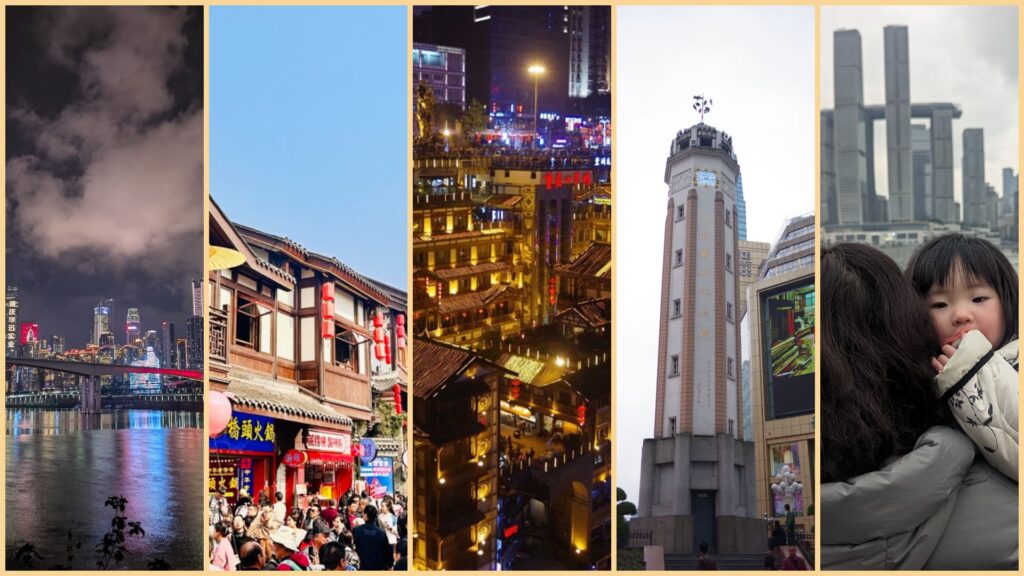
Chongqing sightseeing is different right from the start. Streets layer themselves on top of each other. Towers cling precariously to mountainsides. Light rails snake through apartment buildings. Rivers slice through skyscrapers like reflective slides.
You don’t visit Chongqing. You experience it slice-by-slice.
Nestled in southwest China, Chongqing is one of four direct-controlled municipalities in the country. Despite that, it has almost nothing in common with the manicured feel of Beijing or Shanghai. Instead, Chongqing is gritty, vertical, and utterly dramatic. All qualities that make sightseeing here so fun.
This post breaks down what to see, how to get around, and what to realistically plan. With these tips, you’ll spend less time lost and stressed, and more time soaking up what makes Chongqing so great.
- Why Is Chongqing Sightseeing Unique?
- Top Things to See in Chongqing
- Chongqing Night Sightseeing: See The City In A Whole New Light
- Transportation for Sightseeing Around Chongqing
- Top Practical Chongqing Travel Tips
- When Is The Best Time To See Chongqing
- Should You Visit Chongqing?
- Final Thoughts On Chongqing
Why Is Chongqing Sightseeing Unique?
Built between three mountains and two rivers (Yangtze & Jialing), Chongqing’s landscape is very…vertical.
While most cities spread horizontally, Chongqing had little choice but to grow upward. As a result, the city doesn’t sprawl—it stacks. And that lack of two-dimensional sprawl is why navigating (and sightseeing) can feel so tricky.
Travel tip: forget everything you know about cities.
Here are a few things to expect with Chongqing sightseeing:
- Staircases, slopes, and elevation changes at every turn
- Spectacular views sprouting from random street corners
- Trains passing through buildings will feel normal
Once you realize Chongqing will never feel “normal”, your sightseeing trip will click.
Top Things to See in Chongqing
Hongya Cave (洪崖洞)
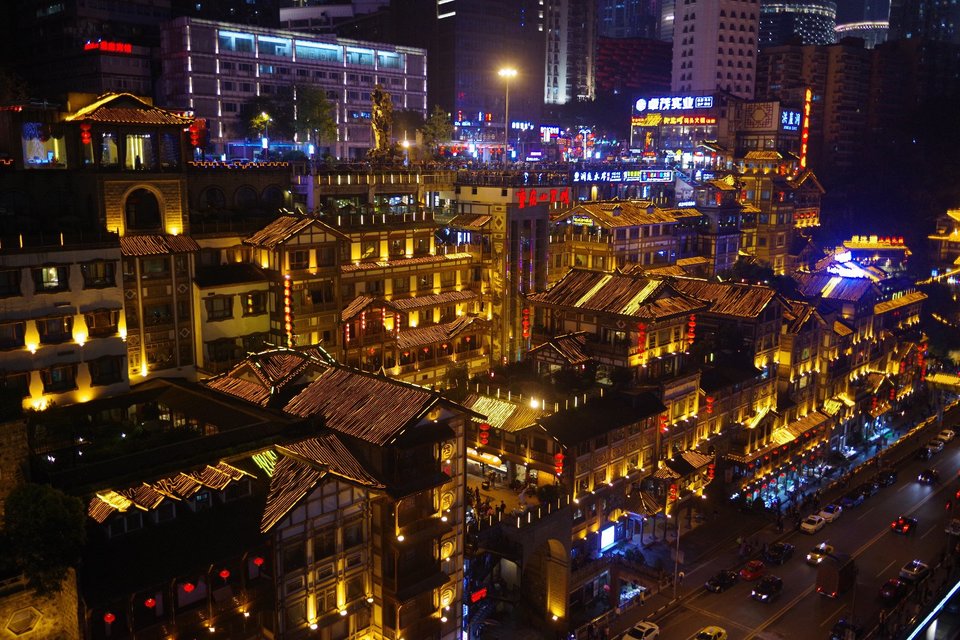
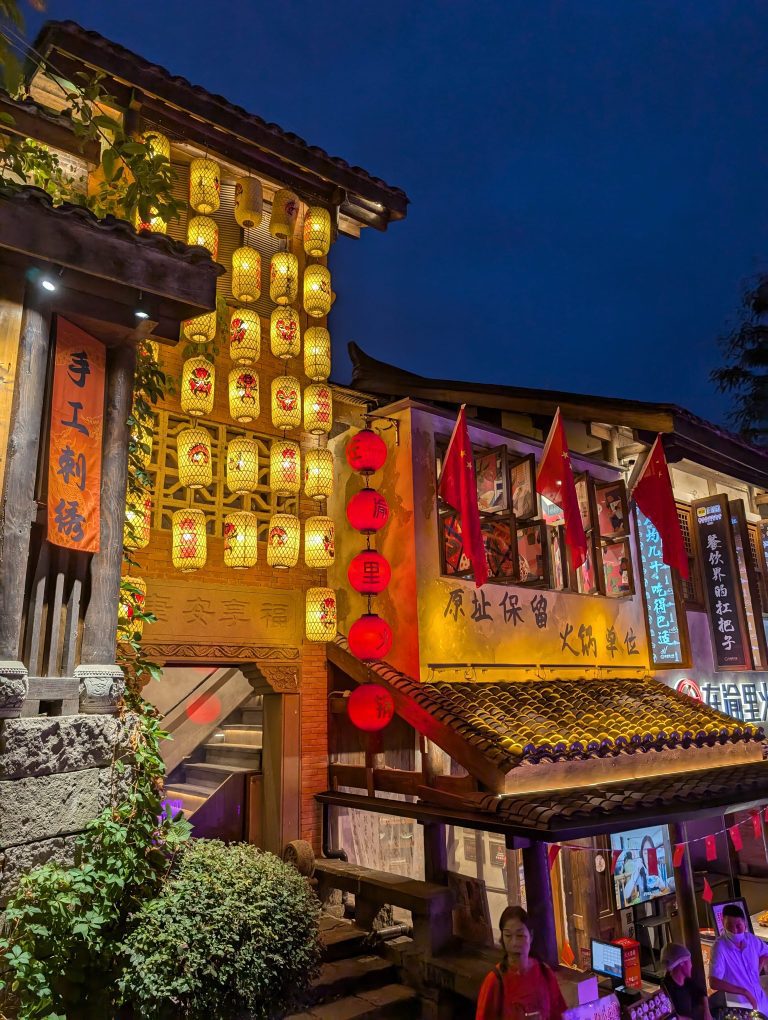
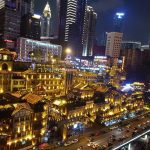
One of the easiest (and most famous) Chongqing attractions to find. Hongya Cave is essentially a stair-stepped building jammed up against the river.
Built into the side of a mountain, Hongya Cave looks like a daytime fairy tale. At night, it transforms into a neon spectacle.
Travel tip: Don’t bother going inside. It’s just a market. Head outside and enjoy the view along the river, especially after dark.
Walk over to the nearby pedestrian bridge for an even better view of the Hongya Cave lit up at night.
Tip: Expect tourists. Crowds get large on weekends, but there are good views everywhere you look.
Liziba Light Rail Station (李子坝)
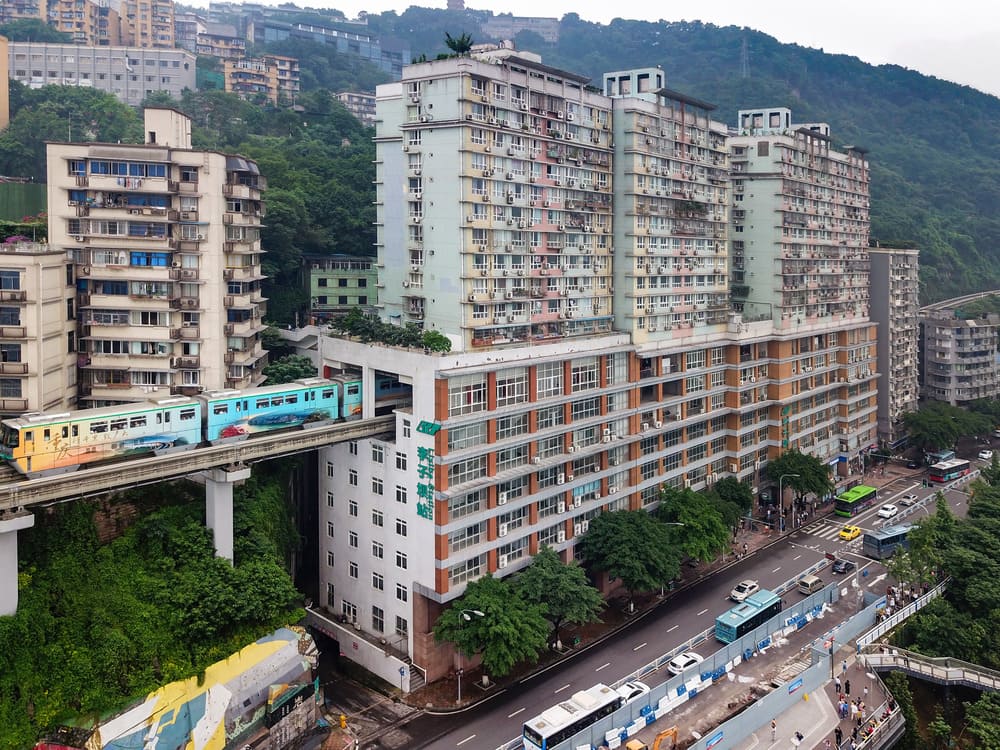
Hands down one of my favorite examples of Chongqing’s crazy layering. At Liziba Station, light rail trains pass straight through the middle of a residential building.
Yep, you read that correctly.
City planners were running out of space for a new train station, so they simply built a building around it. Soundproofing was installed to keep the trains quiet (they pass through several times an hour).
Sightseeing tip: There’s an official viewing platform nearby. Traffic rules are enforced, so stay put!
Jiefangbei Pedestrian Area (解放碑)
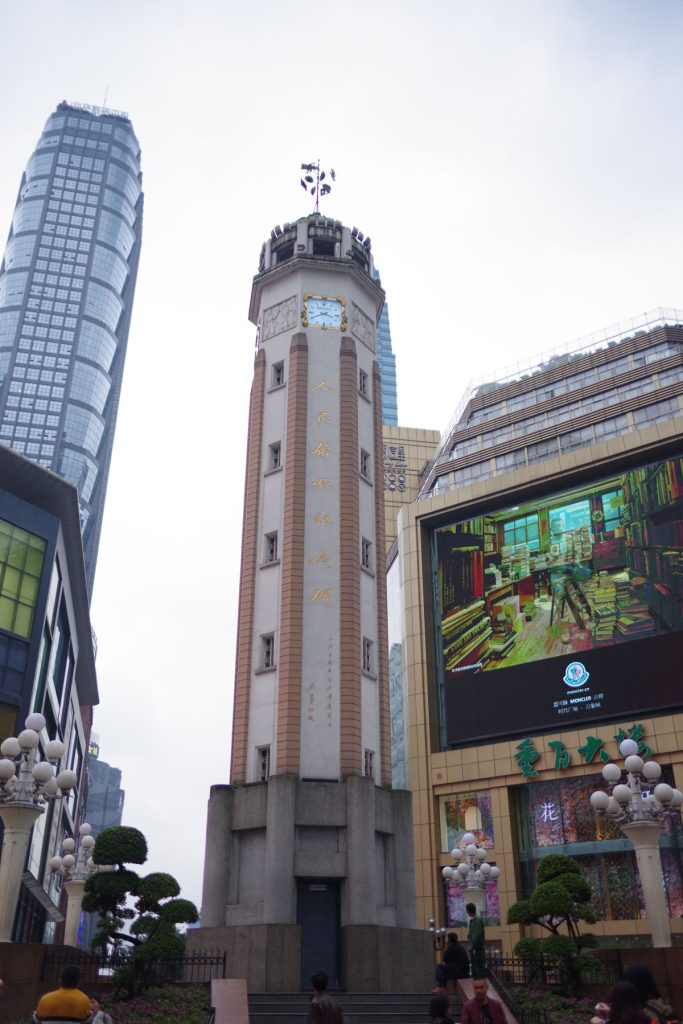
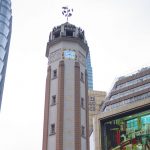
Literally translates to “pedestrian bomb”, Jiefangbei is the shopping, dining, and nightlife district of Chongqing.
Bright lights. Narrow sidewalks. Masses of people. Non-stop food stalls.
Historic? Not really.
Important for sightseeing? Absolutely.
Reasons to start (or end) your sightseeing near Jiefangbei:
- Public transit hub. Trains, buses, and taxis converge here.
- Many Chongqing attractions are nearby
- Night markets and night views are beautiful
If you’re lost, stay close to Jiefangbei and you’ll never be too far from help.
Chaotianmen & River Confluence
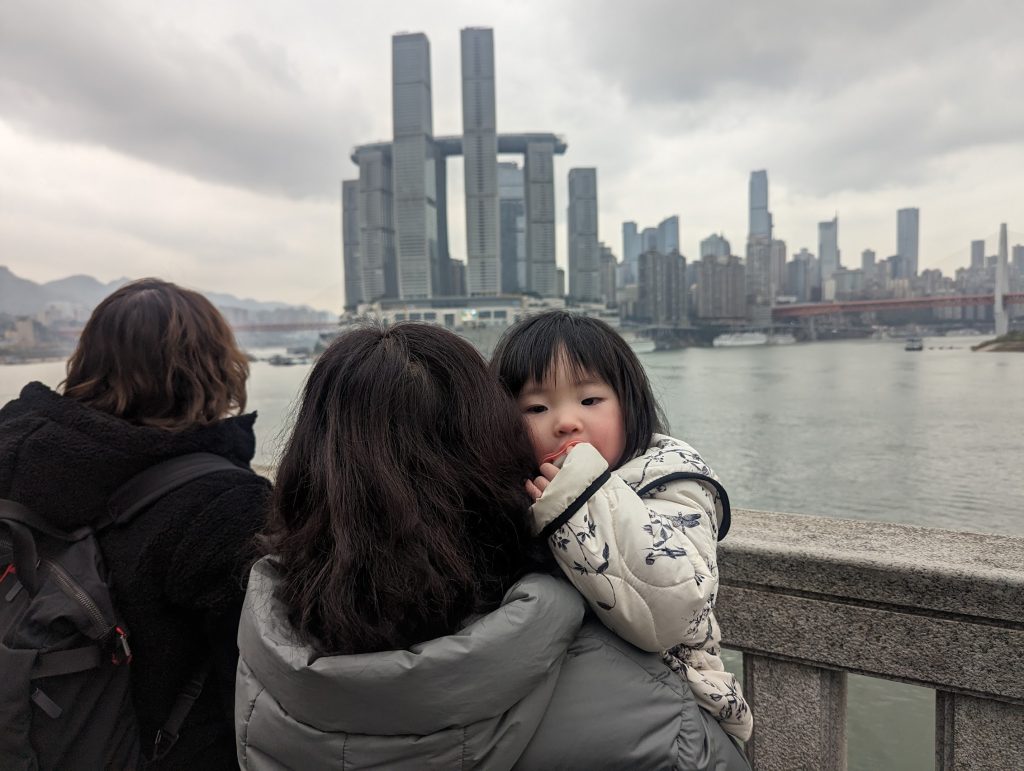
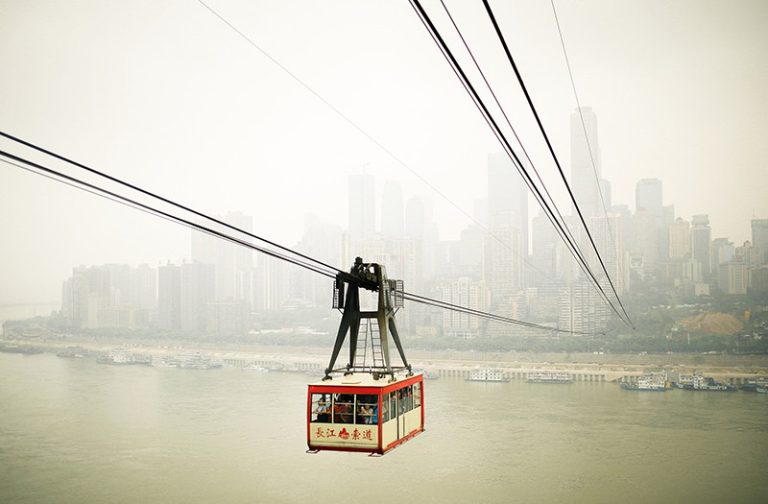
Seen from Chongqing’s riverside downtown district, the confluence of the Yangtze & Jialing Rivers is visible from Chaotianmen Square.
At this meeting of rivers, you’ll sometimes be able to see a difference in color. Once heavy rains pass through upstream, the muddy Yangtze River darkens the clear waters of the Jialing River.
Riverfront skyscrapers provide a nice backdrop, too. Most notably nearby Raffles City Chongqing.
Tip: Best time to visit is late afternoon going into evening. You can see the changing light on the water and city skyline.
Ciqikou Ancient Town (磁器口)
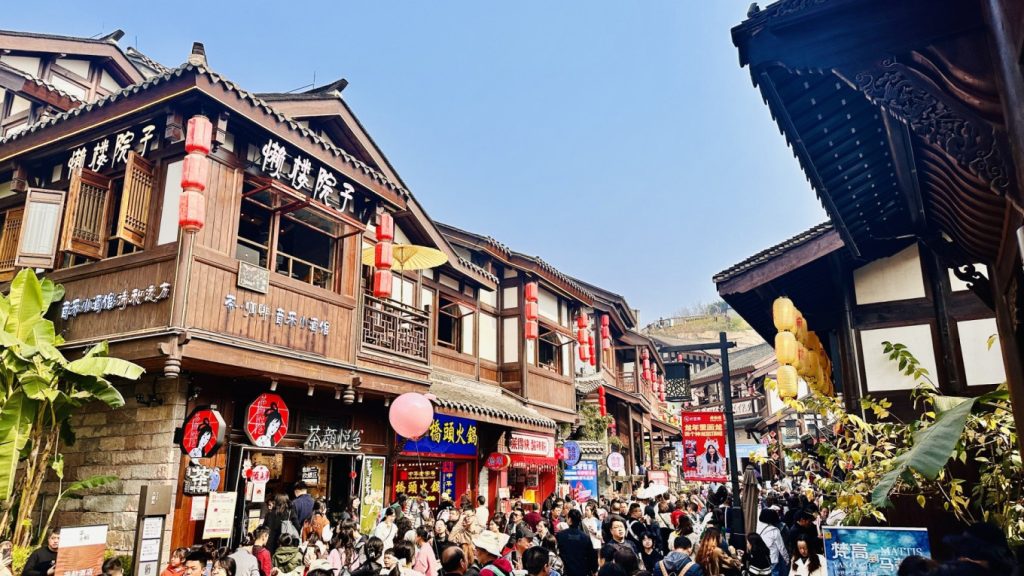
A welcome break from the hustle and bustle. Ciqikou is a collection of old-town-style streets, eateries, and tea houses.
It’s touristy, but makes for a nice stroll if you’re looking to slow down for a bit.
Travel tip: Arrive early. This is a popular spot for tour buses, but exploring in the morning gives you some quiet time with the locals.
Chongqing Night Sightseeing: See The City In A Whole New Light
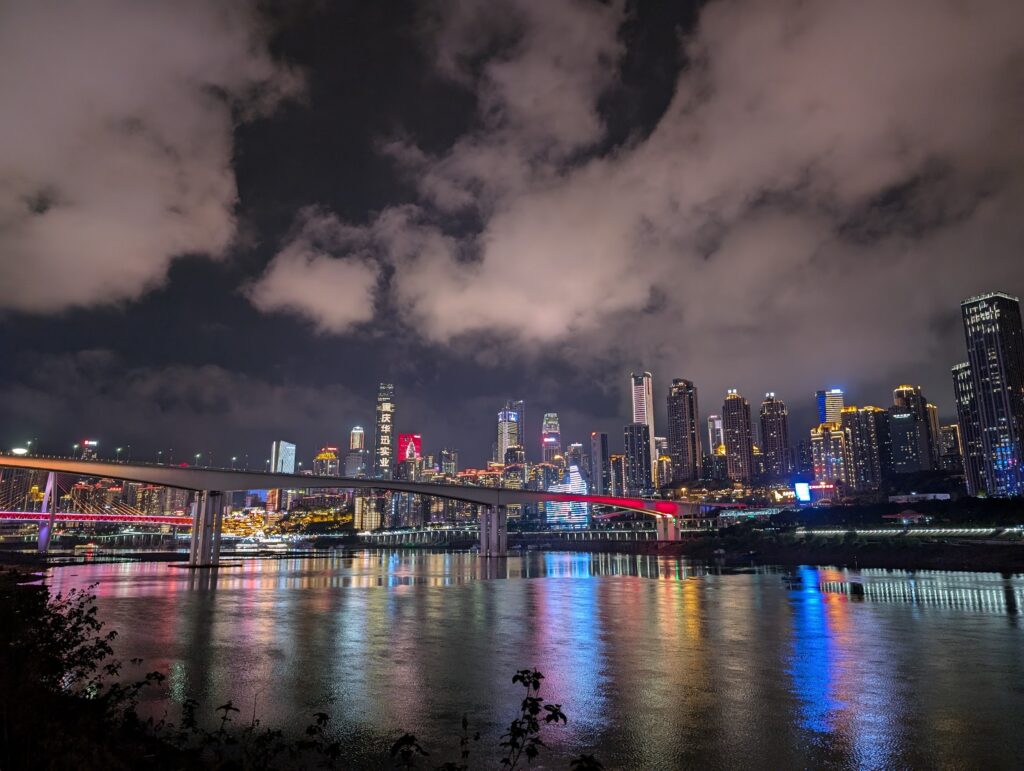
Chongqing by night is a spectacle you won’t want to miss.
With towering bridges, reflecting rivers, and gravity-defying roads, nighttime adds a whole new dimension to Chongqing sightseeing.
Best night time sightseeing recommendations:
- Rent a boat and cruise along the Yangtze River
- Walk the riverside promenade in front of Hongya Cave
- See the city lights from as high up as possible
Fact: Daytime Chongqing can feel exhausting. Night brings everything to a crawl and offers a nice reprieve.
Transportation for Sightseeing Around Chongqing
Public Transportation in Chongqing
Metro
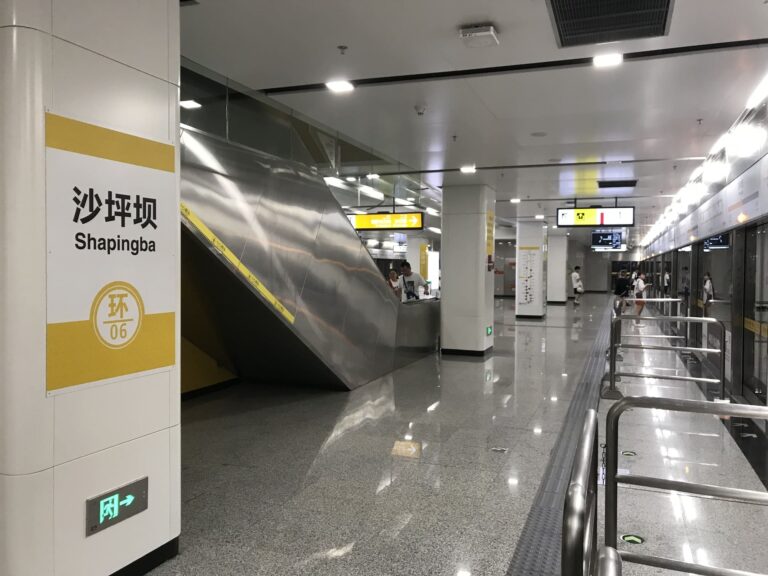
The metro is great. Cheap and with surprisingly good coverage. Just keep in mind that every station will likely have multiple exits at different elevations. Stations are labeled with exit numbers, so double check before heading out!
Taxi / Ride Hailing Apps
Taxis are great for short distances, but will get stuck in traffic during rush hour. I recommend ride-sharing apps since you can type in Chinese place names to better direct your driver.
Walking in Chongqing
You’ll be doing a lot of it. Grab a pair of comfortable shoes before you go.
Expect stairs. Hills. Drop offs.
There’s rarely a flat path when traveling downhill, so take the uphill route whenever possible.
Top Practical Chongqing Travel Tips
Don’t over-plan your days
Distances seem deceptively close on a map. You’ll quickly realize that an hour walking around Chongqing feels like four.
Cluster together nearby attractions
See if you can visit multiple attractions without going uphill twice.
Bring a jacket
Fog rolls through frequently, providing interesting atmospheres but poor visibility.
Watch your spice tolerance
Hands down the spiciest food I’ve ever had. No joke. Ask for degrees of spicy when ordering food. If your tastes aren’t used to it, ask for a 0 or 1.
When Is The Best Time To See Chongqing
Chongqing has warm springs, hot summers, mild falls, and chilly winters.
- Spring months (March-May) see warmer weather and sporadic rain.
- Fall (September-November) provides the best weather overall.
- Summer can be brutally hot and humid.
- Winter offers cool temperatures, fog, and atmosphere.
If you’re only in China for sightseeing, plan to visit Chongqing during the fall.
Should You Visit Chongqing?
Cities like Beijing and Shanghai are wildly popular because they ooze popularity. They’re exciting, but everything feels done on a grand scale.
Chongqing’s hidden gem factor turns those conventions on their head. Sightseeing in Chongqing won’t revolve around checking big attractions off your list.
You’ll visit Chongqing for the experience. The uphill battles. Surreal transportation. Rivers. Lights. Food.
Sightseeing in Chongqing rewards those who embrace getting lost.
Final Thoughts On Chongqing
Bold. Punchy. Colorful.
If those words sound exciting to you when describing travel, put Chongqing on your must-visit list.
Sightseeing in Chongqing won’t be easy, but that’s part of the fun. Plan wisely, take breaks, and enjoy your vertical adventure.



Leave a Comment