

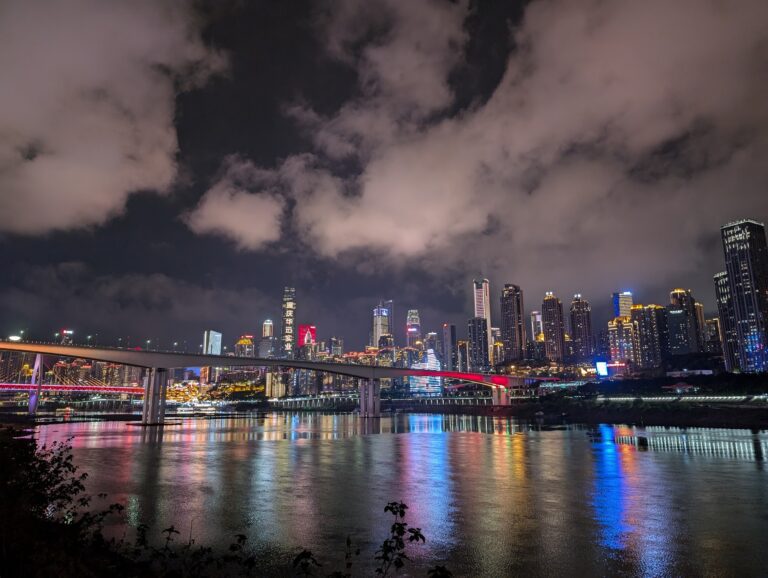
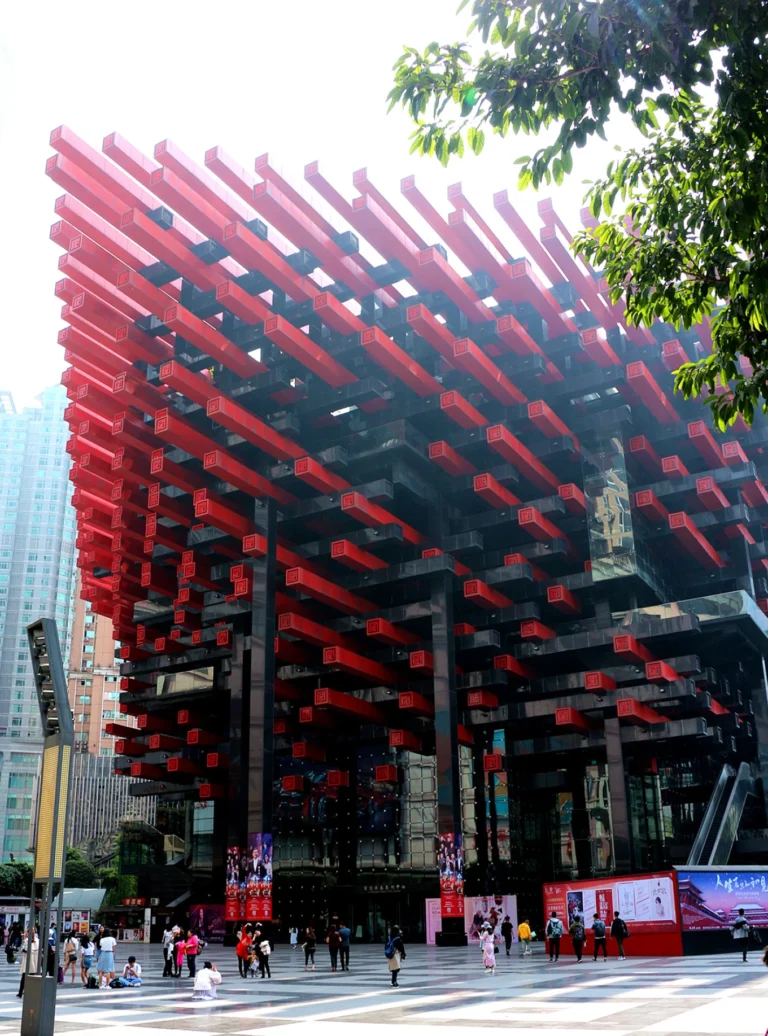
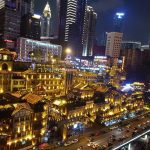
Chongqing is intense. Everything about the city goes BIG. Huge apartment scrapers stack the skyline, roads layer upon roads upon roads, and traffic zooms by even faster in the summer humidity. Lots of city living is shoved up against itself. Which is why spaces like Beicang Creative Cultural District are so nice to explore.
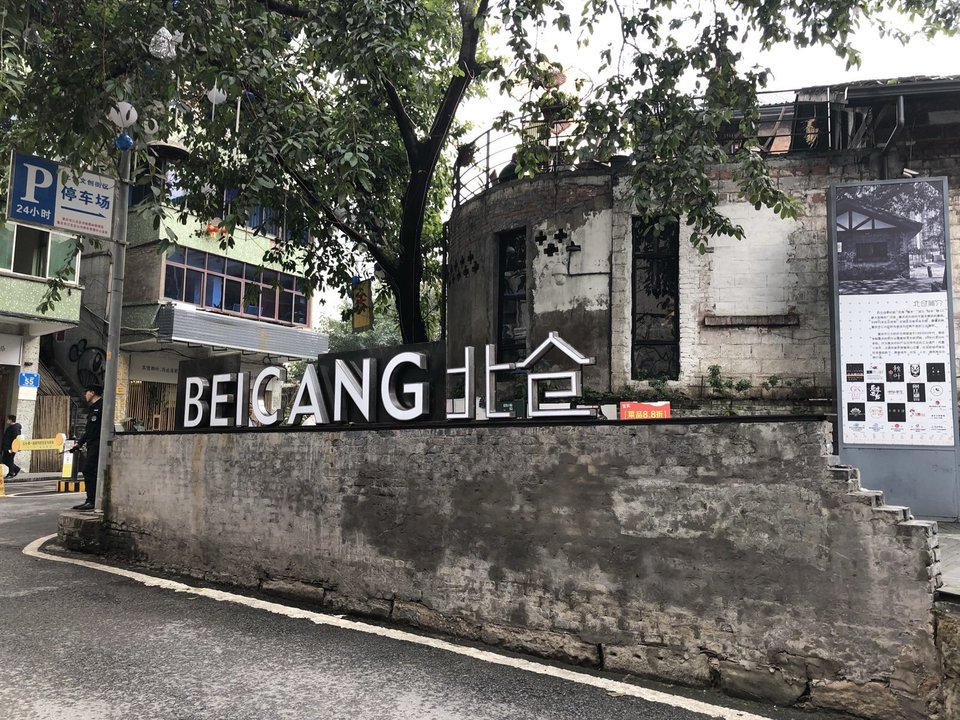
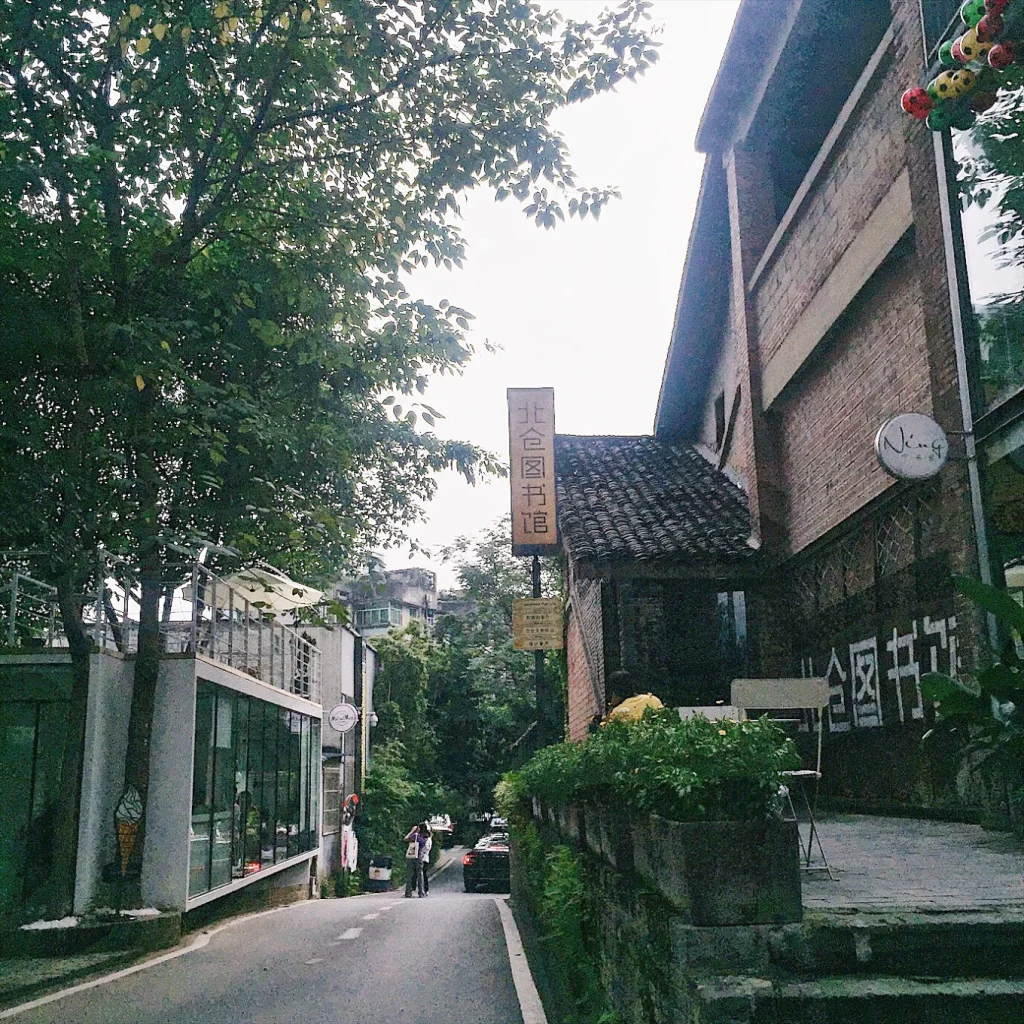
It’s a place where you feel like you can slow down inside a city that rarely stops. Just outside Guanyinqiao Jiujie, Beicang is not super spacious, nor does it overwhelm you when you first arrive. Instead, you gradually discover the neighborhood as you wander its alleys.
As soon as you step inside Beicang Creative Cultural District, you feel the shift. Everything quiets down. Spaces feel more human-sized, and you feel closer to the ground.
Take your time here. Don’t rush through. Beicang Creative Cultural District feels loose. There isn’t a specific path to follow, so you can wander wherever you please, getting pulled casually from one alley to the next.
Where Does Beicang Fit In?
Chongqing is home to several popular creative and cultural parks. Eling Factory No. 2 (Testbed 2) is probably the popular name that people know off the top of their heads, and Beicang Creative Cultural District fits into that same general bucket. But it doesn’t feel nearly as dramatic as Eling Factory.
Instead of big and bold, Beicang errs on the side of small and gentle.
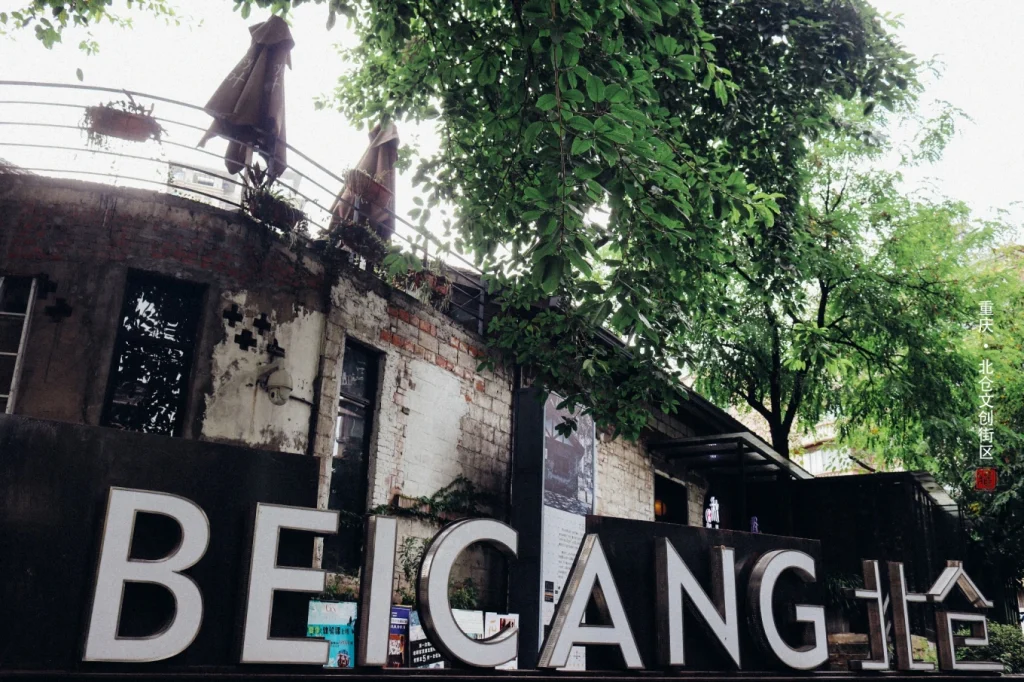
The whole district is more compact than most of Chongqing’s other cultural villages. You can easily walk from one end to another in 10 to 15 minutes. But that doesn’t make Beicang feel any less interesting. If anything, the lack of space makes you appreciate the details more.
Here, every alleyway, wall, and building seems curated just so. It doesn’t scream trendy. Rather, it feels like a natural progression of what’s come before.
Old Chongqing Architecture
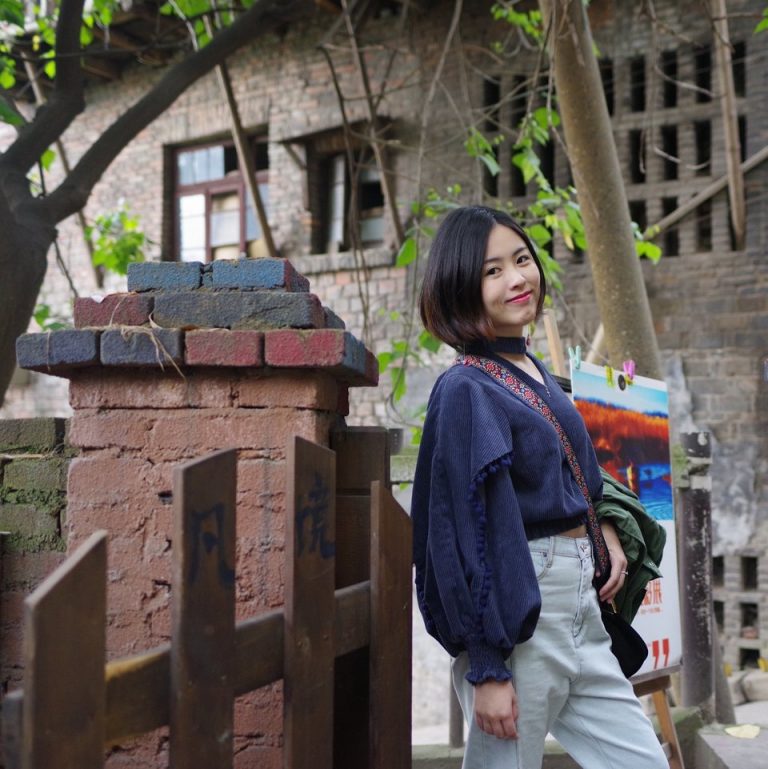
Speaking of history, another surprising part of Beicang is the overall aesthetic. Chongqing isn’t known for its quaint old streets. And while there is urban renewal happening here, Beicang Creative Cultural District retains something old-school about it.
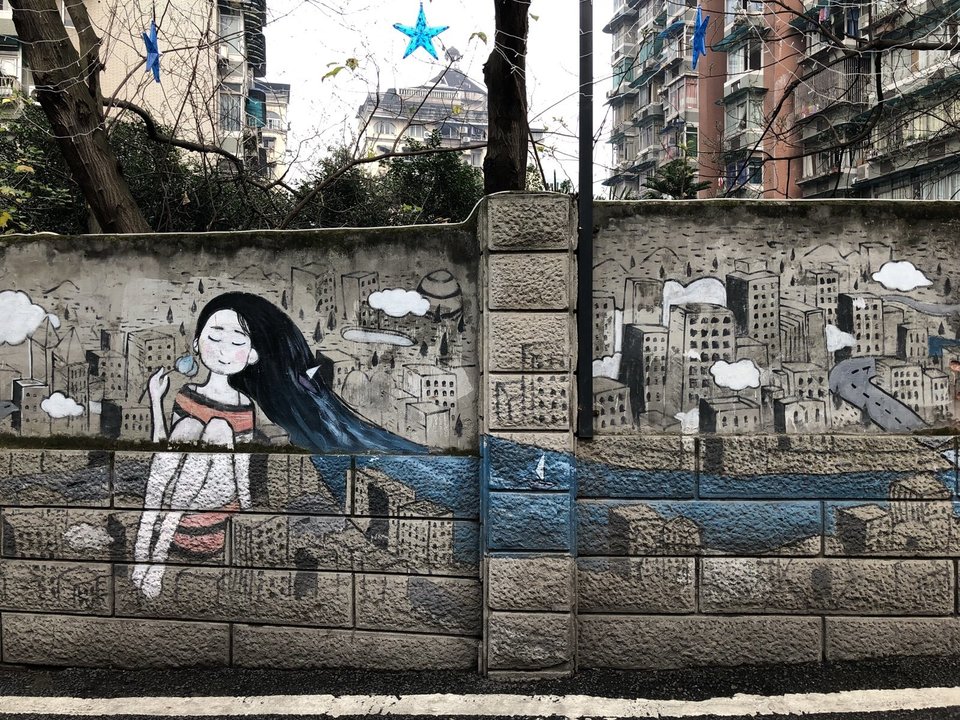
Between all of the massive residential towers, you’ll find small clusters of tiled-roof houses nestled together. At first, they feel oddly retro. Like they don’t quite belong amid all of the sleek skyscrapers around Jiulongpo.
These tiled-roof houses actually remind Chongqing natives of their childhood. Long before the city grew upwards, these are the types of buildings people grew up around. To see them still intact here feels special.
Rather than tearing them down for new development, it feels like someone quietly decided to preserve this patch of Chongqing. The worn brick walls, rustic tiles, and imperfect landscaping lend a kind of visual softness you don’t often see elsewhere.
Architecture aside, Beicang Creative Cultural District is also a place that gently forces you to slow your steps. Paths fork and turn every which way, rarely giving you more than a couple feet of space before you have to make a decision. Everywhere you look, there’s something to observe.
It feels natural to stop often and drink it all in. Partly because there isn’t one single landmark to see, and everything just feels worth your curiosity.
You notice vines climbing the sides of ancient brick buildings. Trees arching over sidewalks, creating dappled patches of sunlight on the ground. Random signs pointing toward cafes and studios and bookstores dot the streetscape without overwhelming you. It all feels effortlessly designed, likeBeicang evolved into its current state instead of being constructed all at once.
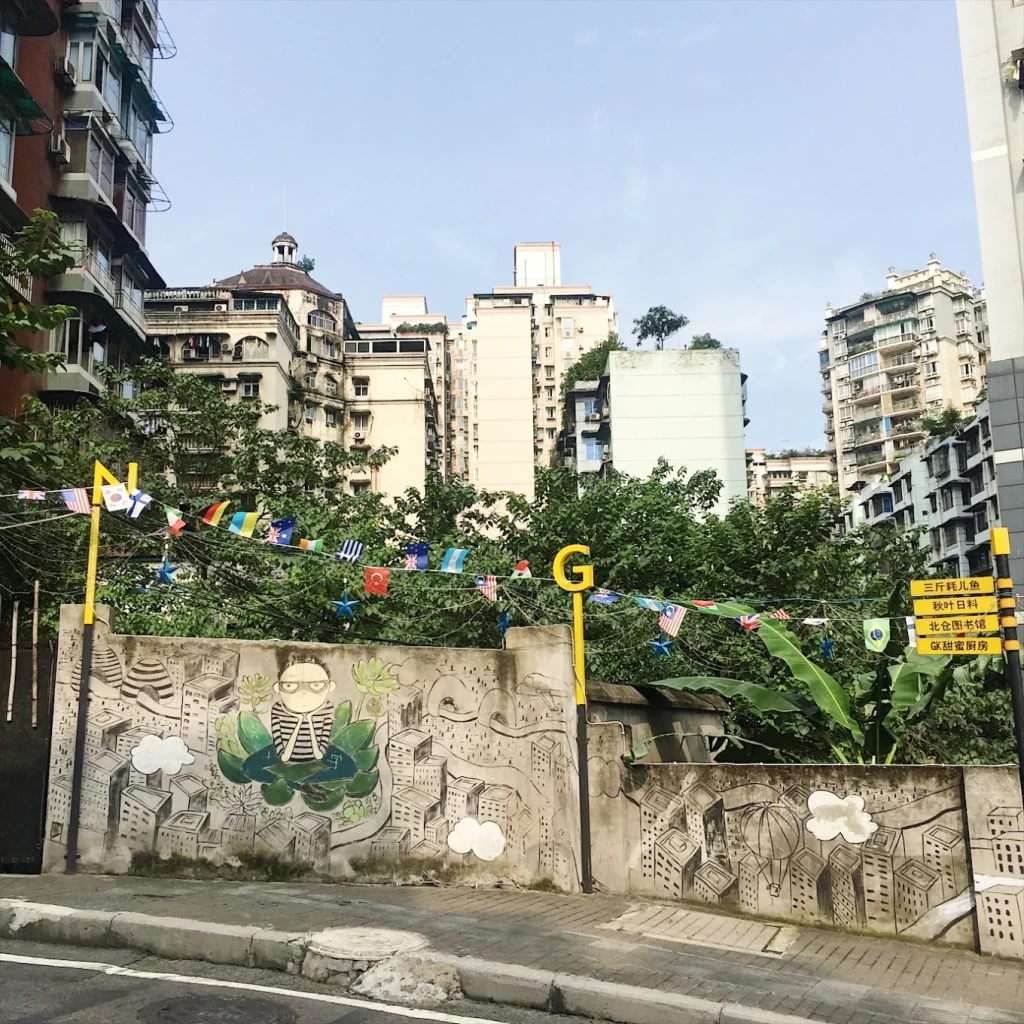
Photography is easy here too, because every corner practically frames itself. But honestly, it’s still beautiful to wander without taking a single photo. Spend some time people watching or sitting quietly with a cup of tea. You’ll enjoy soaking upBeicangjust as much as documenting it.
Youthful Charm, Without the Tourists
Beicang attracts a young crowd, but it doesn’t feel overcrowded. The energy feels more artistic than abrasive. Students, young couples, and small groups of friends meander through the area.
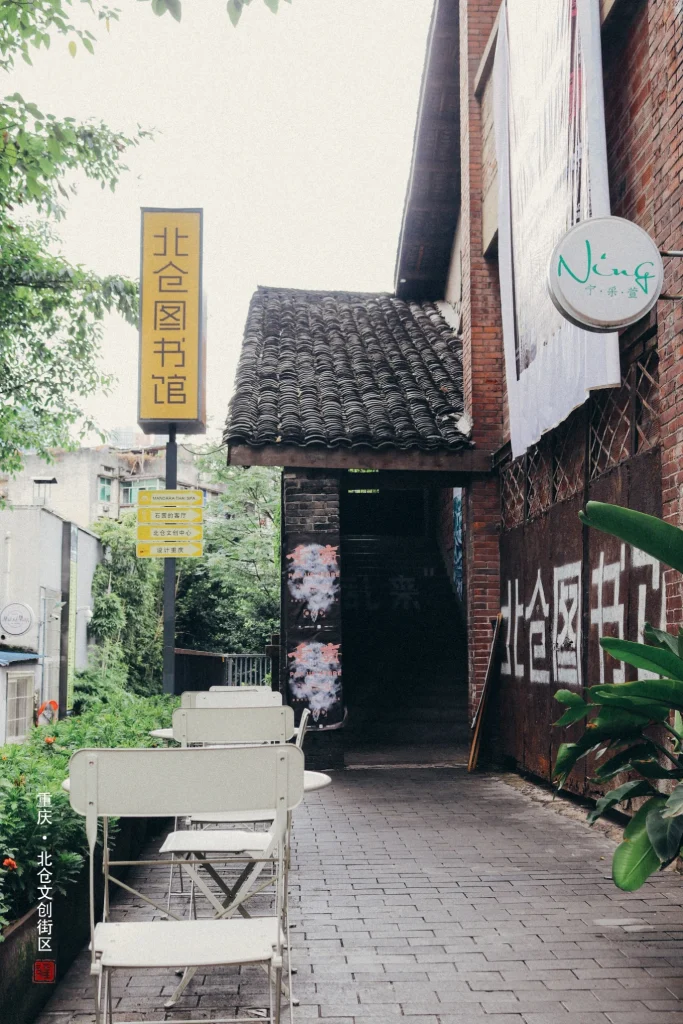
Whereas some of Chongqing’s other hip districts attract tons of commercialization, you still feel strangely understated walking throughBeicang. Sure, there are shops scattered throughout. Expect to find cute cafes, design studios, lifestyle stores, and perhaps a bookstore or two. But you never feel like you’re overcrowded by businesses.
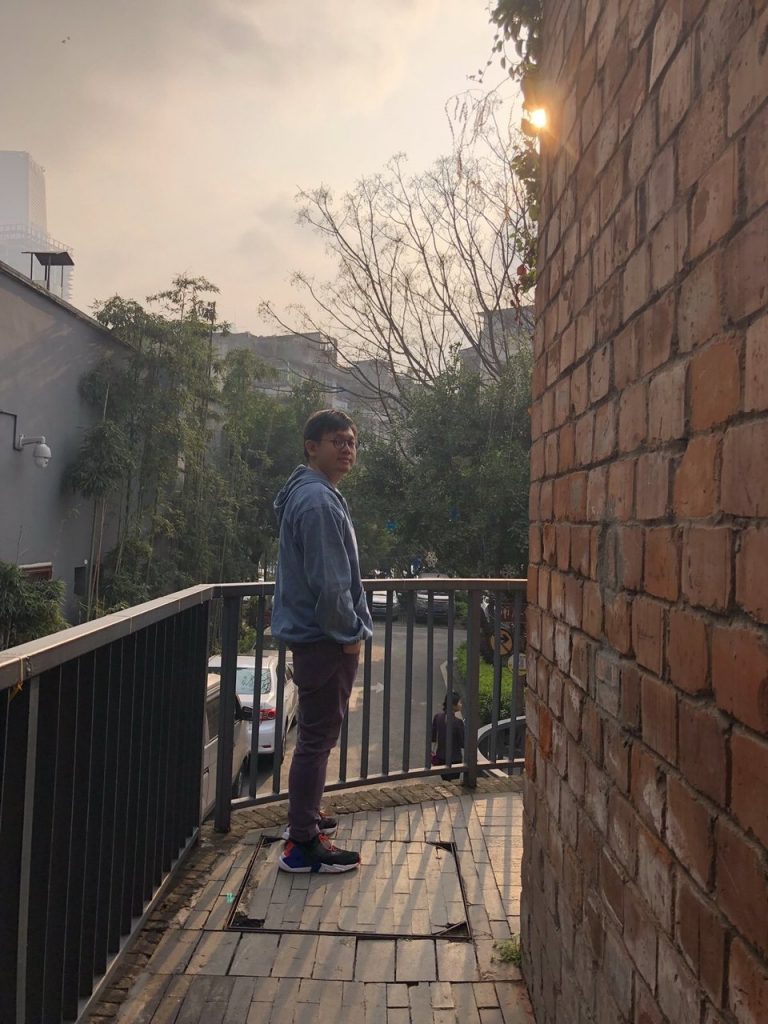
Instead, people wander in to sit and read or chat or exist for awhile. It feels less like a tourist trap and more like a residential area that just happens to lean creative.
Exploring Beicang Creative Cultural District on a Summer Afternoon
I ended up visiting Beicang Creative Cultural District on one of those impossibly humid summer afternoons we’re used to in Chongqing. While walking around outside for too long can make you sticky and miserable, Beicang completely changed that narrative for us.
We spent the better part of an afternoon wandering around, and then took a break at the Beichang bookstore. Walking into the air-conditioned bookstore was a relief all on its own. We settled down ordered a drink and read some books. I actually felt comfortable again after hours of exploring the city.

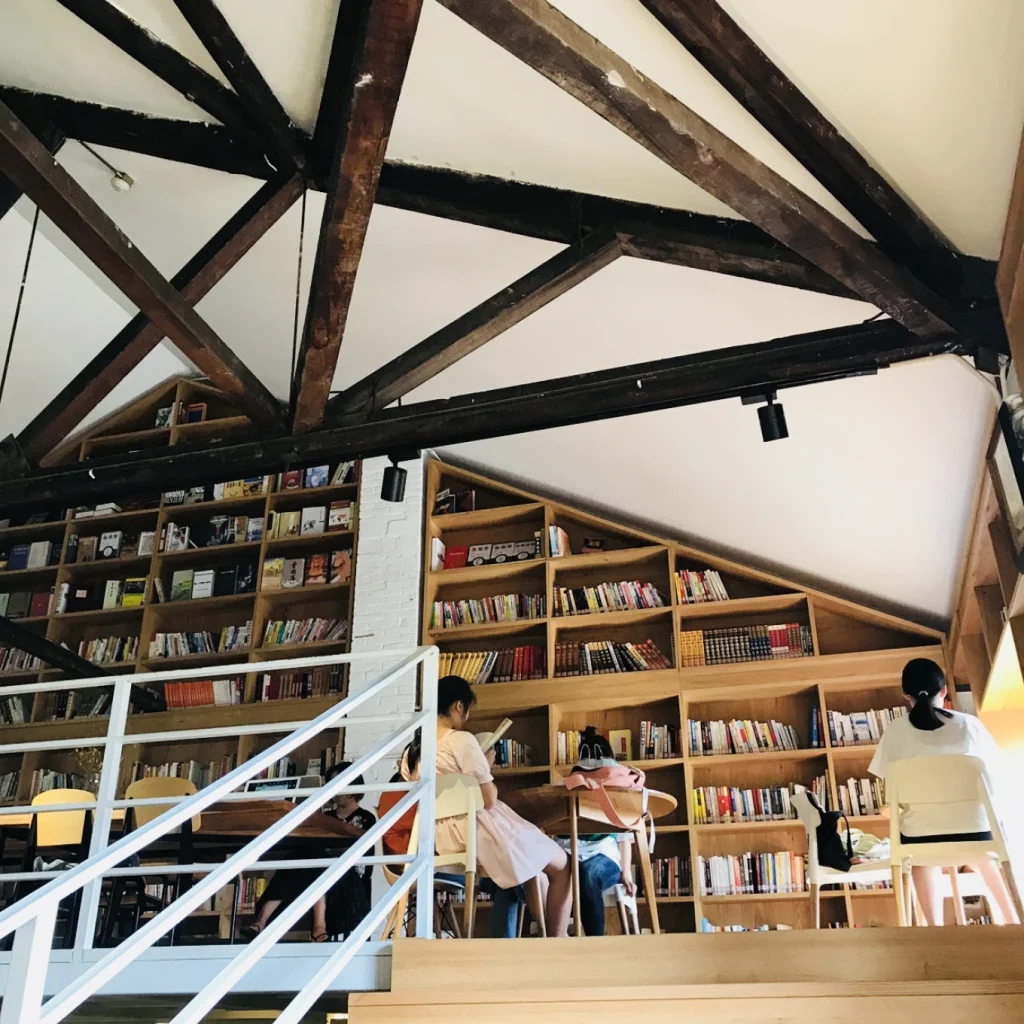
Inside one of Beicang’s quiet spaces, where people sit, read, and escape the Chongqing heat.

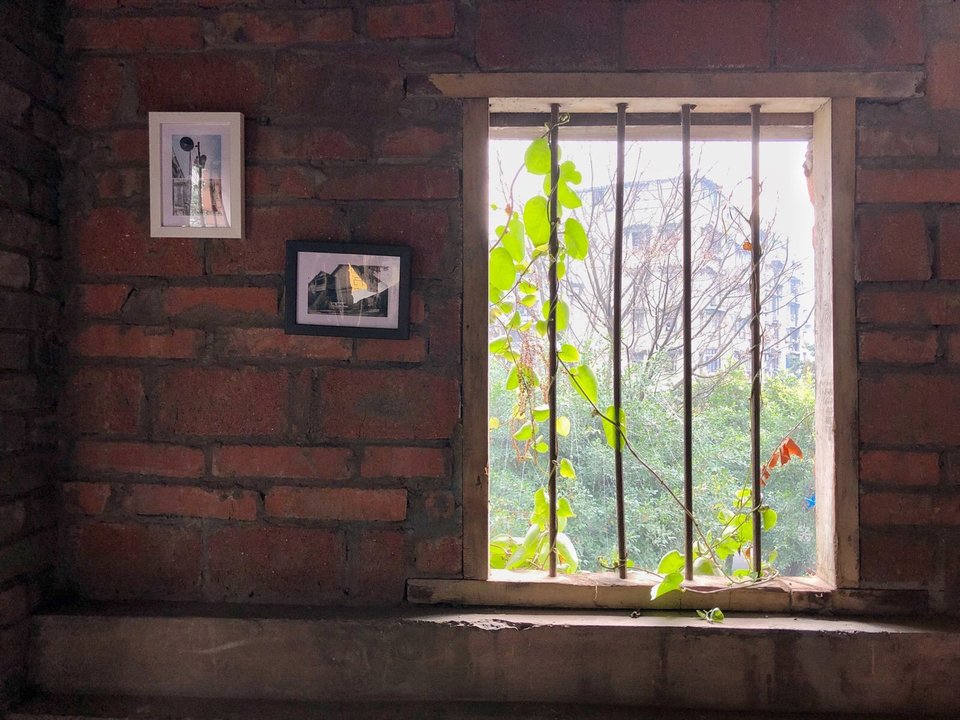
Looking out the window, the view outside was serene. Small clusters of people slowly walked past. Leaves rustled gently in the wind. It sounds cheesy, but coming in from the brutal heat made that moment even sweeter.
Why You’ll Love Beicang
To me, what makes Beicang Creative Cultural District stand out isn’t any one factor. There’s no specific attraction you have to see. There’s not a mandatory activity you have to do. But rather, you know you’ve been toBeicang when you feel a certain way.
Human-sized. Respectful of its history without feeling outdated. Inviting creative expression but not forcing it. If anything else in Chongqing is intense, Beicang Creative Cultural District balances it out.
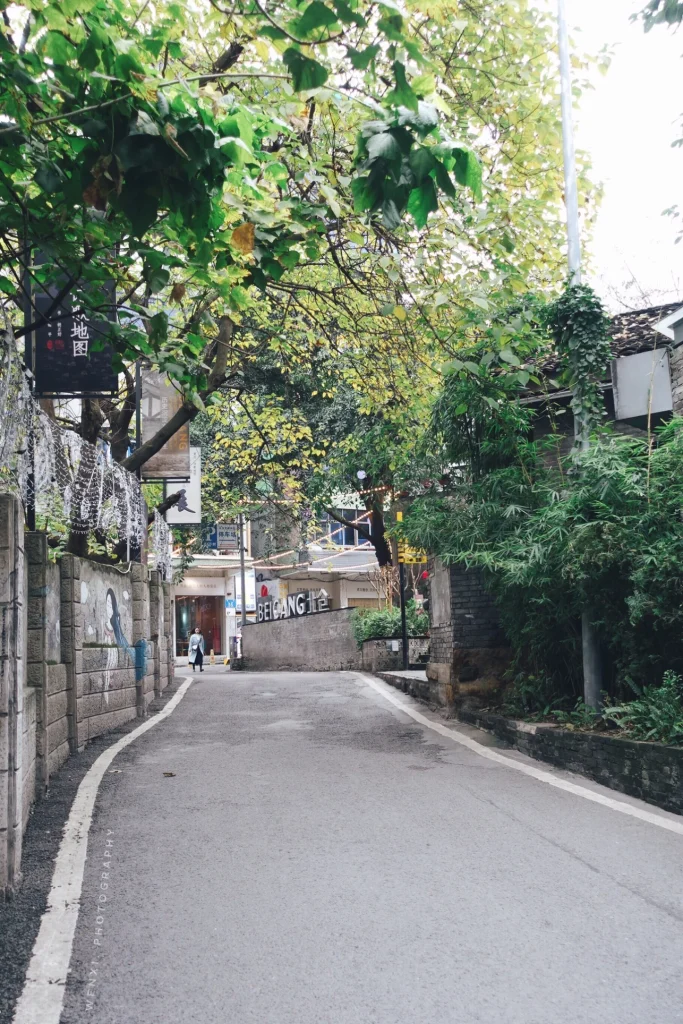
It’s a perfect pocket of old Chongqing living right alongside new Chongqing. Young couples under tiled roofs and glass towers. Cool, creative locals gathering in neighborhoods shaped by generations before them. That kind of contrast givesBeicang an authenticity that newer developments lack.
Planning Your Visit to Beicang
Pro tip: Beicang Creative Cultural District makes for a great stop alongside Guanyinqiao, one of the biggest commercial centers in Chongqing. Guanyinqiao is busy, full of shopping malls, traffic, and crowds of people. So after stomping around those concrete jungles,Beicang feels like a nice breather.
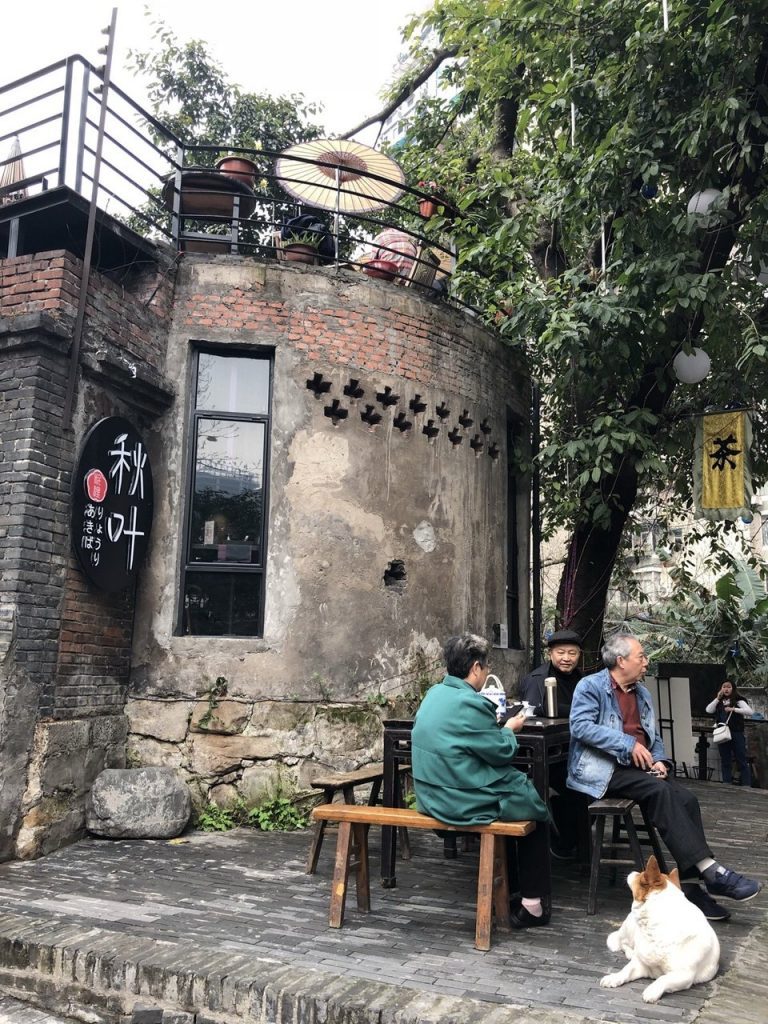
Since the area isn’t too big, you don’t need to carve out an entire day to see everything. You can easily explore the district in one to two hours, leaving plenty of time to relax at a cafe. I’d recommend it as a chill afternoon stop or quiet midpoint between other attractions.
Address: Taiping 55, Jianbei 1st Branch Road, near Guanyinqiao
观音桥北城天街建北一支路塔坪55号
Wrapping Up
Honestly, Beicang Creative Cultural District might not be one of the biggest draws of Chongqing. But that doesn’t have to be a bad thing. Beicang doesn’t try to steal the show from bigger landmarks or flashier districts.
But if you’re traveling to Chongqing and want a slower-paced walk through local culture, quirky bookshops, and tiny streets that invite you to relax…take a detour through Beicang. You might just find yourself enjoying one of the small pockets of Chongqing that stays with you long after your trip has ended.






Leave a Comment