

Hidden in southwestern China’s mountains is one of China’s most breathtaking natural wonders. If you are traveling to Chongqing and want to visit scenic cliffs, deep gorges, misty forests, and surreal geological phenomena, then consider visiting Wulong Karst National Park.
About three hours outside of Chongqing city, Wulong Karst has become famous among travelers for its massive sinkholes, natural bridges, underground caves, and giant limestone cliffs. As part of the South China Karst UNESCO World Heritage site, Wulong is widely considered one of the best places in the world to see karst landscapes.
Visiting Wulong Karst National Park from Chongqing is highly recommended if you have the time to travel outside the city. The park has several major scenic areas which feature completely different landscapes. These areas include:
- Three Natural Bridges (Tiansheng Sanqiao)
- Longshuixia Gorge
- Fairy Mountain
- Furong Cave
In this post, I will cover everything you need to know about visiting Wulong from Chongqing, including how to get there, what to see, how much time you need to spend, and other practical travel tips.
Where is Wulong Karst National Park
Hidden in southwestern China’s mountains is one of China’s most breathtaking natural wonders. If you are traveling to Chongqing and want to visit scenic cliffs, deep gorges, misty forests, and surreal geological phenomena, then consider visiting Wulong Karst National Park.
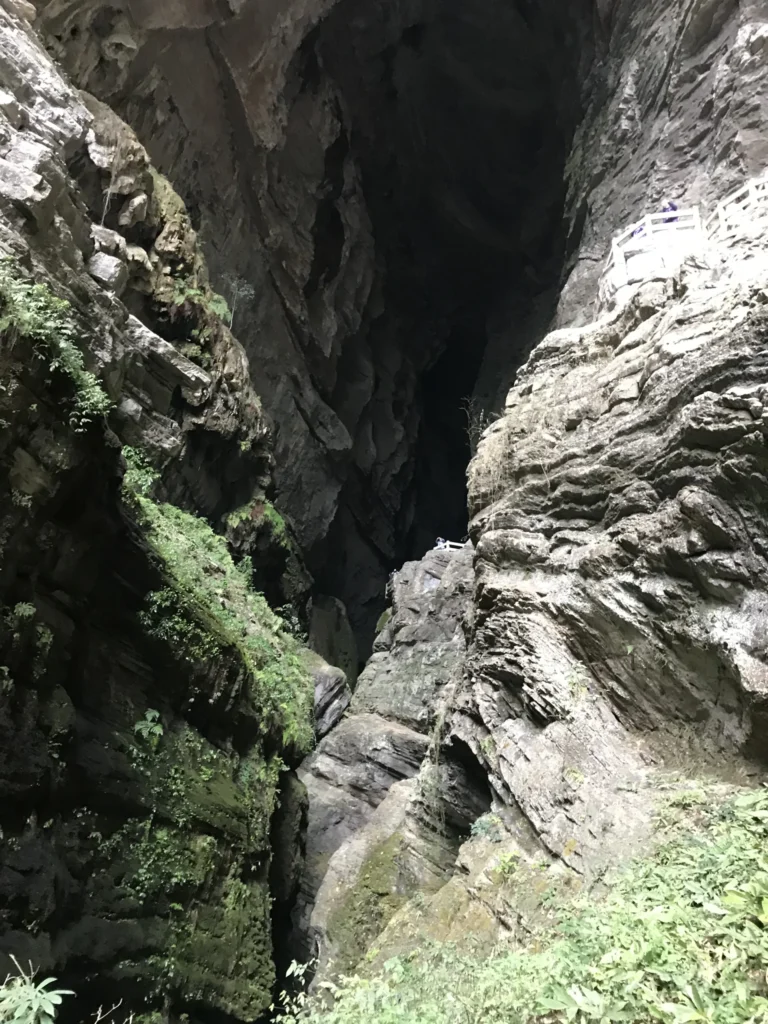
Wulong Karst National Park covers a huge area located within Wulong District roughly 180 kilometers southeast of Chongqing. Travel time by car or bus is about 3 hours depending on traffic.
The park itself is massive and broken up into several scenic areas which cover a large stretch of mountainous terrain. Popular spots you should consider visiting include:
- Three Natural Bridges (Tiansheng Sanqiao / Wulong Sinkholes)
- Longshuixia Gorge
- Fairy Mountain National Forest Park
- Furong Cave
Each scenic spot highlights different karst features such as sinkholes, fissures, caves, and mountain grasslands.
Because of the size of the park and the distances between each scenic area, most people visit for 1–2 days. I recommend allocating 2–4 days to comfortably travel between areas and relax.
Why Wulong Karst Became Famous
Up until recent years, Wulong was still relatively unknown to travelers. However, over the past decade it quickly became popular throughout China after starring in a number of television shows and films.
The first was Zhang Yimou’s epic Chinese period film Curse of the Golden Flower which filmed dramatic scenes within the massive natural bridges.
Years later, the Hollywood action film Transformers: Age of Extinction also filmed scenes at the Three Natural Bridges area of Wulong Karst.
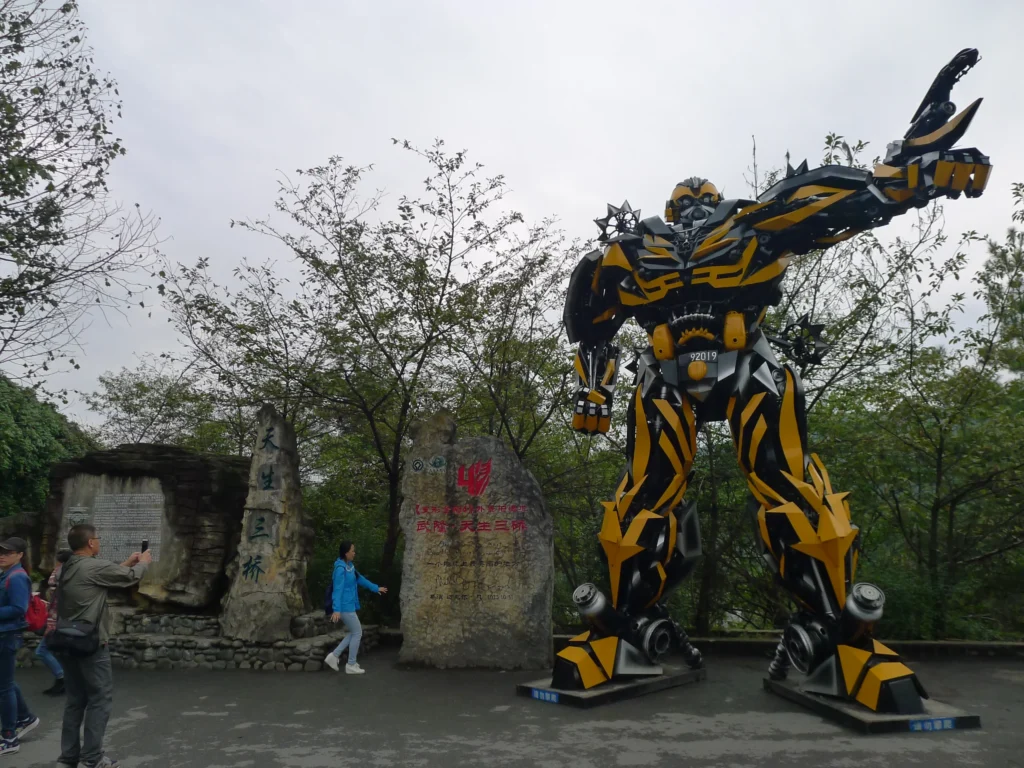
Since then, Wulong has become wildly popular across China and considered one of the country’s most beautiful natural attractions. Today the park has AAAAA national scenic area status, which is the highest tourism rating in China.
Wulong Karst Landscape Explained
Wulong is actually an excellent example of karst landscape. Karst is a geological term that describes a landscape formed by the dissolution of soluble rocks.
Over time, slightly acidic water seeped into the limestone mountains and gradually eroded away the rock, creating massive underground caves, sinkholes, and fissures. This unique process has led to thousands of square kilometers filled with cliffs, natural bridges, underground rivers, and caves.
When you visit Wulong, you can see all types of karst features concentrated in one small area:
- Sinkholes
- Fissures
- Underground caves
- Deep canyons
- Mountain grasslands
It is one of the main reasons why Wulong was added to UNESCO’s South China Karst World Heritage Site.
How to Get to Wulong from Chongqing
Day Tour from Chongqing (Recommended)
The easiest way to visit Wulong Karst National Park is by taking a day tour.
Most travelers book tours through Chinese online travel agencies such as Taobao or from travel agencies in Chongqing. Tours from Chongqing will typically include:
- Hotel Pickup
- Transportation on a tour bus
- Entrance Tickets
- Basic guide services
Your bus will pick you up from your hotel around Chongqing or from main meeting points in the city.
Because it takes about three hours each way from Chongqing, expect your day trip to be quite long but possible to finish in a single day.
Traveling on Your Own
Independent travelers can access Wulong using China’s high-speed rail or taking long-distance buses.
High-speed train:
- Head to Chongqing Railway Station and catch a train to Wulong Railway Station
- Approximately 2 hour ride
- Take a taxi or local shuttle from Wulong Railway Station to the scenic area
Long-distance bus:
Find a bus that departs from Chongqing Long-distance Bus Stations and heads to Wulong. Buses take about 3 hours.
If you choose to travel independently, keep in mind that transportation within each scenic zone can be slightly confusing.
Transportation and Visitor Centre
Entering Wulong is somewhat different from most Chinese scenic areas. Like other large scenic zones in China, there is an efficient transportation system in place to manage traffic.
Once you enter Wulong Karst National Park, the first stop is the visitor reception center. This area serves as both the:
- Ticket center
- Transport hub
From there you can take shuttle buses to each scenic area such as:
- Three Natural Bridges Scenic Area
- Longshuixia Gorge Scenic Area
- Fairy Mountain National Forest Park Scenic Area
Exploring the Three Natural Bridges
The Three Natural Bridges are perhaps the most popular spot in Wulong Karst National Park.
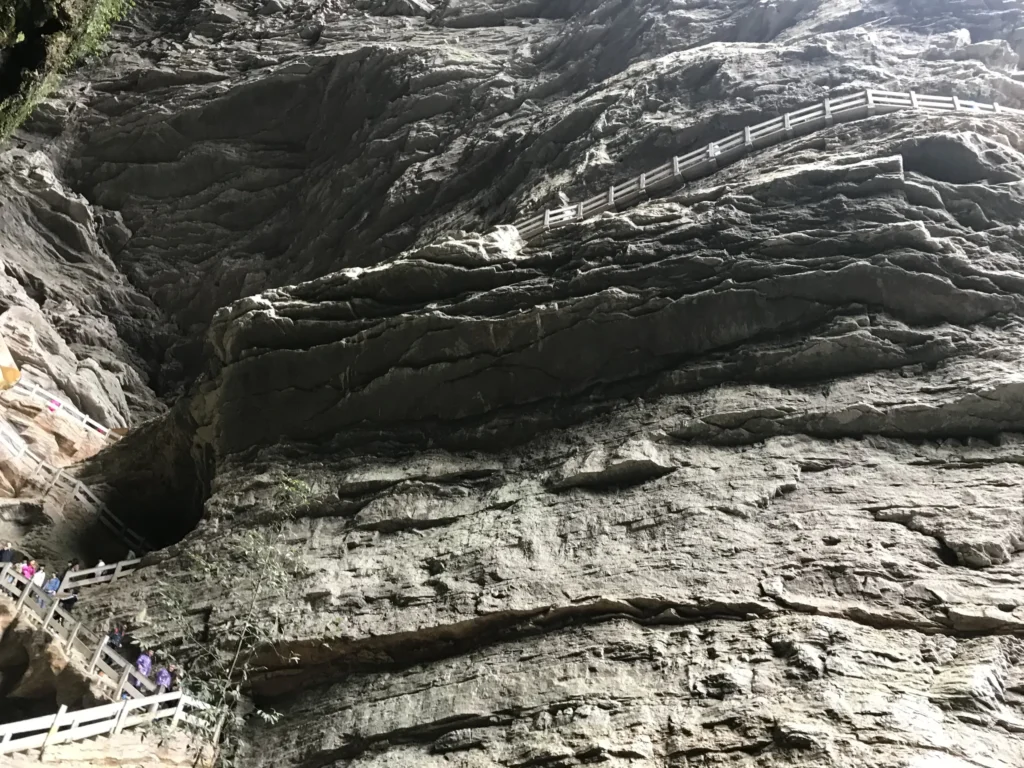
Spanning across giant sinkholes you will find three massive limestone bridges that have been naturally formed over time by collapsed caves.
The three bridges include:
- Tianlong Bridge
- Qinglong Bridge
- Heilong Bridge
Walking around Three Natural Bridges feels surreal as you find yourself between gigantic limestone cliffs. In fact, the sinkholes themselves are so big that film crews have built entire movie sets inside.
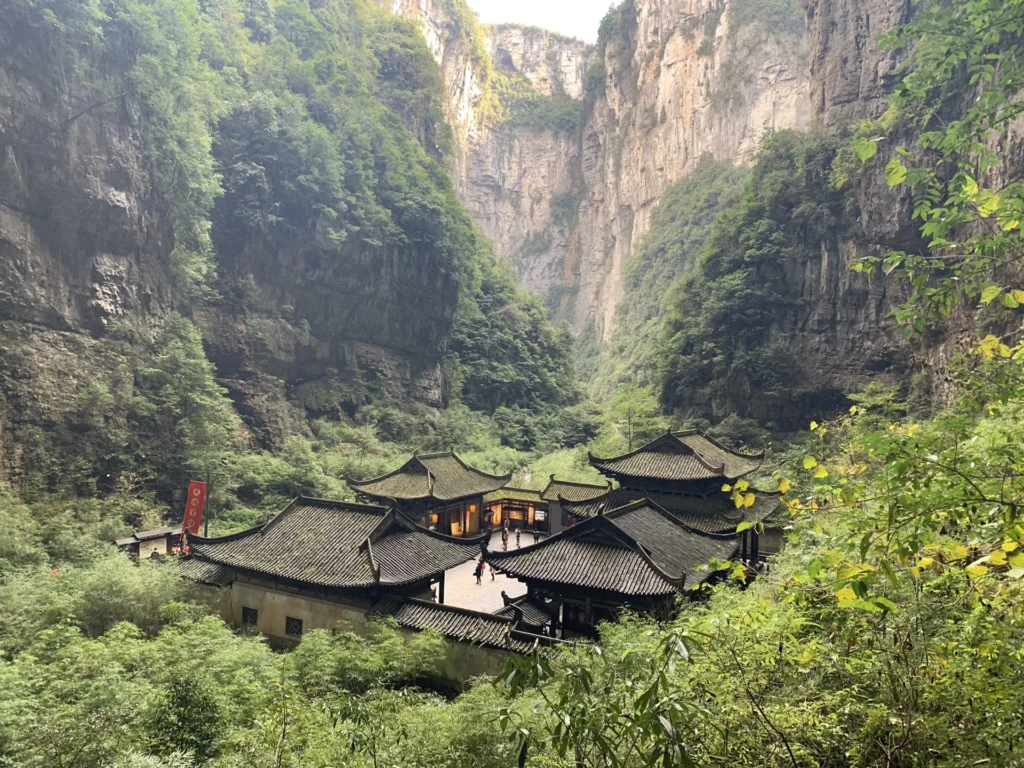
Don’t miss exploring the ancient-style courtyard that was built for the movie Curse of the Golden Flower.
Visitors will walk along a paved path that takes you down into the sinkhole. From there you can walk around and explore the valley floor beneath the natural bridges.
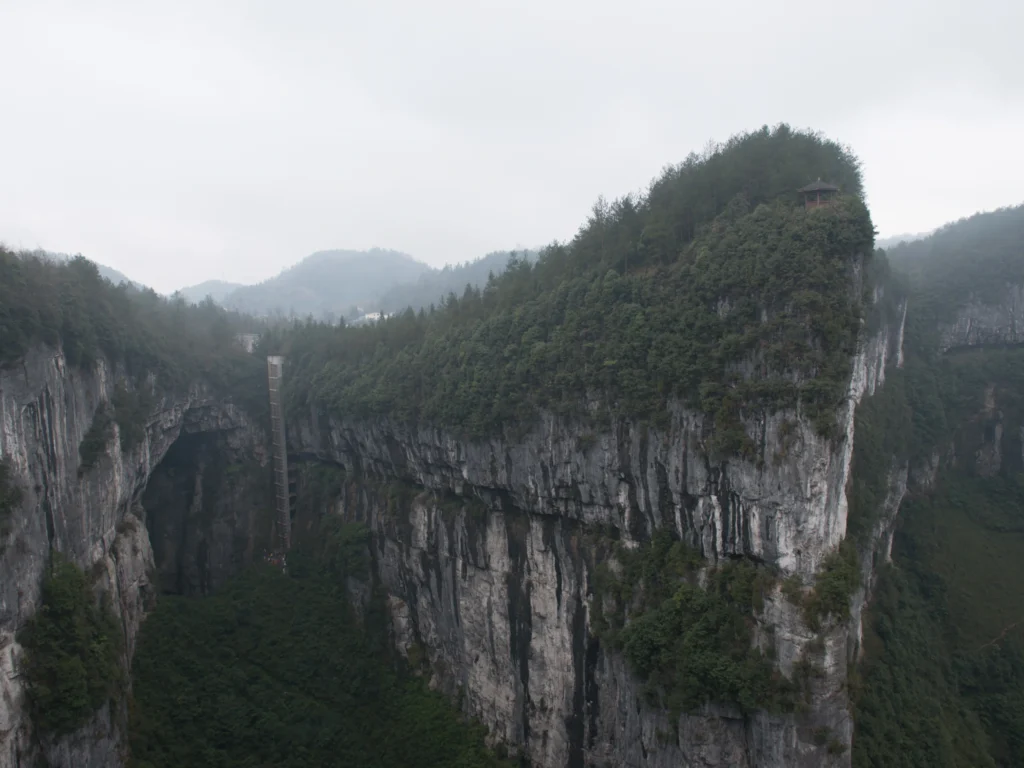
I found it difficult to photograph just how large the cliffs really are. Once you are standing in the middle of the sinkhole and look up you realize how vertical and massive the cliff walls truly are.
Explore Longshuixia Gorge
Longshuixia Gorge is another amazing spot you must visit in Wulong.
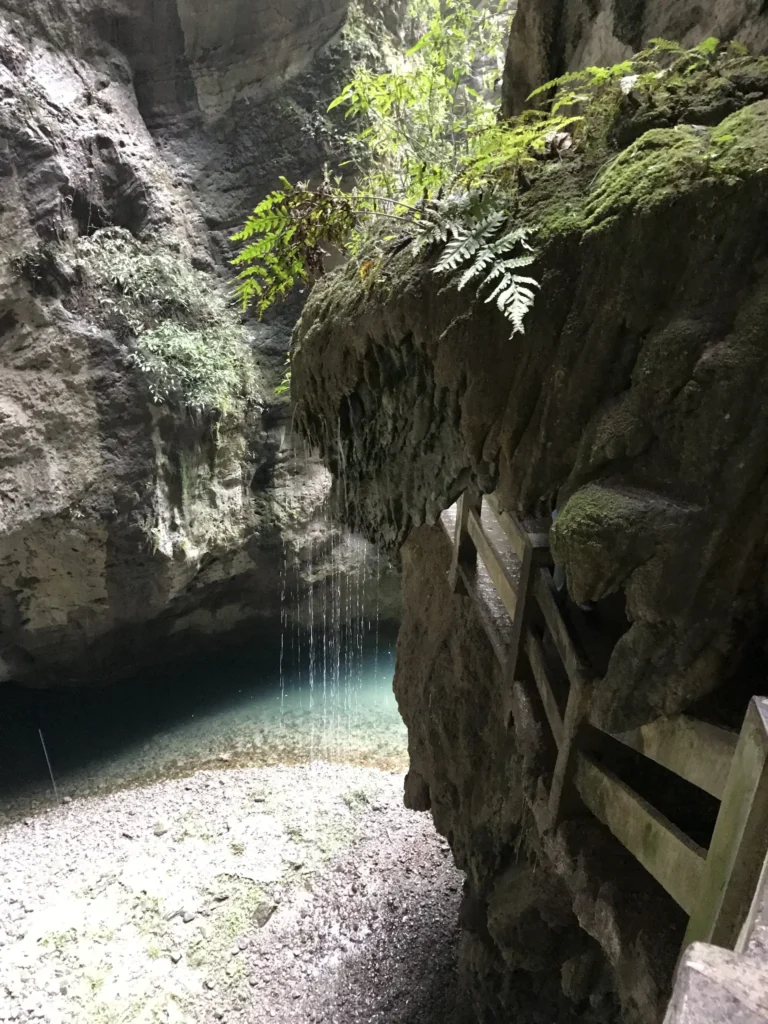
Longshuixia is actually a giant fissure that has been carved into the mountain over time.
Compared to the open Three Natural Bridges, this spot is much narrower and has a darker and mysterious vibe. Walkways have been built into the sides of the gorge allowing visitors to hike right inside.
While walking through the gorge you will see:
- Mossy cliffs
- Mini waterfalls
- Streams running through the mountain
- Vegetation growing from the rocks
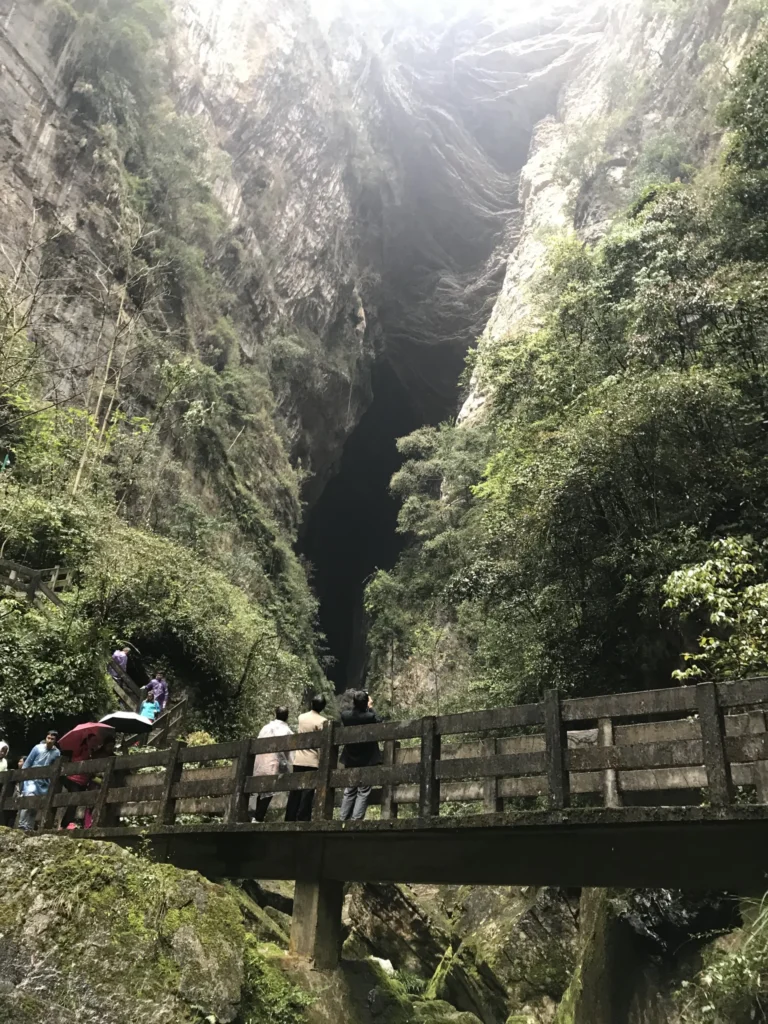
Sunlight barely reaches the bottom of the gorge as you walk inside. This makes the whole area feel magical, especially on rainy or misty days when fog begins to cover the valley.
When we visited Wulong, light rain was falling causing fog to fill the canyon. Everything from the waterfalls to green moss covered trees gave it a fairy tale feel.
Visit Furong Cave
The last area is Furong Cave for anyone interested in visiting underground caves.
China is home to many massive limestone caves, and Furong Cave is one of the largest in the country. Furong Cave is home to impressive stalactites and stalagmites as well as other unique underground rock formations.
The cave itself is lit with colorful lights that illuminate the giant rock formations along the walls. You will see many cave formations that resemble large curtains or icicles frozen in time.
The caves are drastically different than what you will see at the Three Natural Bridges and Longshuixia Gorge, but they are still a wonderful place to learn about the underground that contributed to the karst landscape.
Enjoy Scenery at Fairy Mountain
The last scenic spot in Wulong is Fairy Mountain.
Here you will get a completely different vibe from the other areas. Instead of towering cliffs, the landscape consists of high elevation grasslands, forests, and fresh mountain air.
Mountains at higher elevations also tend to be cooler than lower elevations. This makes Fairy Mountain a perfect summer escape from hotter destinations like Chongqing.
Best Time to Visit Wulong
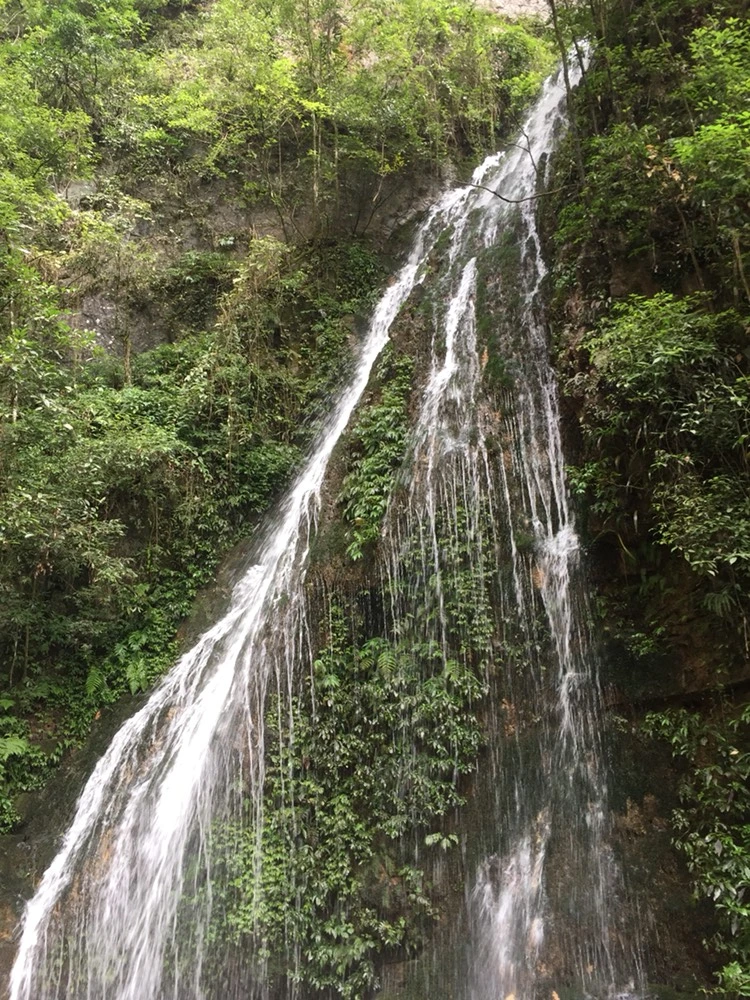
Wulong Karst is beautiful during all seasons, but certain times of the year provide more stunning views.
Spring and fall are considered the best time to visit because of the comfortable temperatures and lush greenery on the mountains.
Another good time to visit Wulong is during rainy or misty days. Watch as fog rolls through the sinkholes creating an unreal atmosphere. It really does feel like stepping into a mystical land tucked away in China’s mountains.
Of course too much rain will make walking paths slippery so wear good hiking shoes.
How Long to Spend in Wulong
As mentioned before, Wulong visitors can really spend as much time as they want exploring. However, if you are tight on time, here is a quick breakdown of how many days you will need.
1 Day
- Three Natural Bridges
- Longshuixia Gorge
2 Days
- Three Natural Bridges
- Longshuixia Gorge
- Fairy Mountain
- Furong Cave
3-4+ Days
Visit at a leisurely pace and take your time hiking or taking photos.
The majority of visitors that come from Chongqing will spend one or two days visiting Wulong.
Travel Tips
Due to its location in the mountains, there are several things you can do to prepare before visiting Wulong.
Bring a Power Bank
Chongqing area is known for its tours endlessly taking photos. You will spend quite a bit of time exploring each scenic area so bring a power bank for your phone.
Bring Snacks and Water
Each tour company will usually provide snacks on the bus. However, the travel time from Chongqing to Wulong is long so bring some water and snacks with you just in case.
Bring Rain Jacket or Umbrella
Weather can change quickly in the mountains so I always recommend packing a rain jacket or umbrella.
Bring Good Walking Shoes
This should go without saying but wear comfortable walking shoes. Each scenic area requires you to climb up and down staircases and have long walk distances.
Final Words
Wulong Karst National Park is a must-visit if you find yourself in Chongqing and want to witness one of China’s most spectacular natural wonders.
From enormous sinkholes and towering limestone natural bridges to deep gorges and hidden underground caves, Wulong showcases millions of years of natural power and movement.
Scenery here will take your breath away multiple times. One moment you are standing below massive limestone cliffs, and the next you are inside one of China’s largest sinkholes with mist enveloping you from all sides.
Wulong Karst is so unique that it becomes hard to appreciate just how special of a place you are exploring until you visit in person.
Whether you travel out to Wulong for a day trip or stay for multiple days, you will have an amazing experience that few other places in China can rival.





Wulong Karst National Park Guide: How to Visit From Chongqing