
Big titles are often part of the Baotu Spring introduction. It is “天下第一泉”— the No.1 Spring Under Heaven. It is number one of Jinan’s seventy-two famous springs. It is often listed with Daming Lake and Thousand Buddha Mountain as Jinan’s Three Iconic Attractions.
But what I found most memorable when visiting Baotu Spring with my family was not its pomp or potential position in a ranking. It was the sense of an unhurried rhythm. Baotu Spring is surprisingly slow, soft, and gently alive even with a crowd.
In this post, I’ll share our experience visiting Baotu Spring in winter. No polished or promised tourism. Just what it was really like to visit Baotu Spring in Jinan.
- A Brief History of Baotu Spring
- Water, Pavilions, and Flowing Space
- Baotu Spring in Winter: Soft Light and Willow Trees
- Sitting by the Spring: Tea, Sunlight, and Doing Nothing
- Winter Comfort Food: Roasted Sweet Potato
- Moments by the Water with Family
- Li Qingzhao Memorial Hall: Culture Behind the Calm
- Why Baotu Spring Feels Different
- Practical Info: Free Entry for Air Travelers from Outside Jinan
- Final Thoughts: A Place to Slow Down in Jinan
A Brief History of Baotu Spring
Baotu Spring’s prominence is a product of both nature and history. Baotu Spring in Jinan is geologically formed by the area’s limestone. The underground water source is pressured from below by this geologic feature and pushed upwards through the natural fissures of the limestone. Of Jinan’s seventy-two famous springs, Baotu is unique in both the power of its spring outlets (there are three of them) and its unceasing flow throughout all four seasons, including winter.
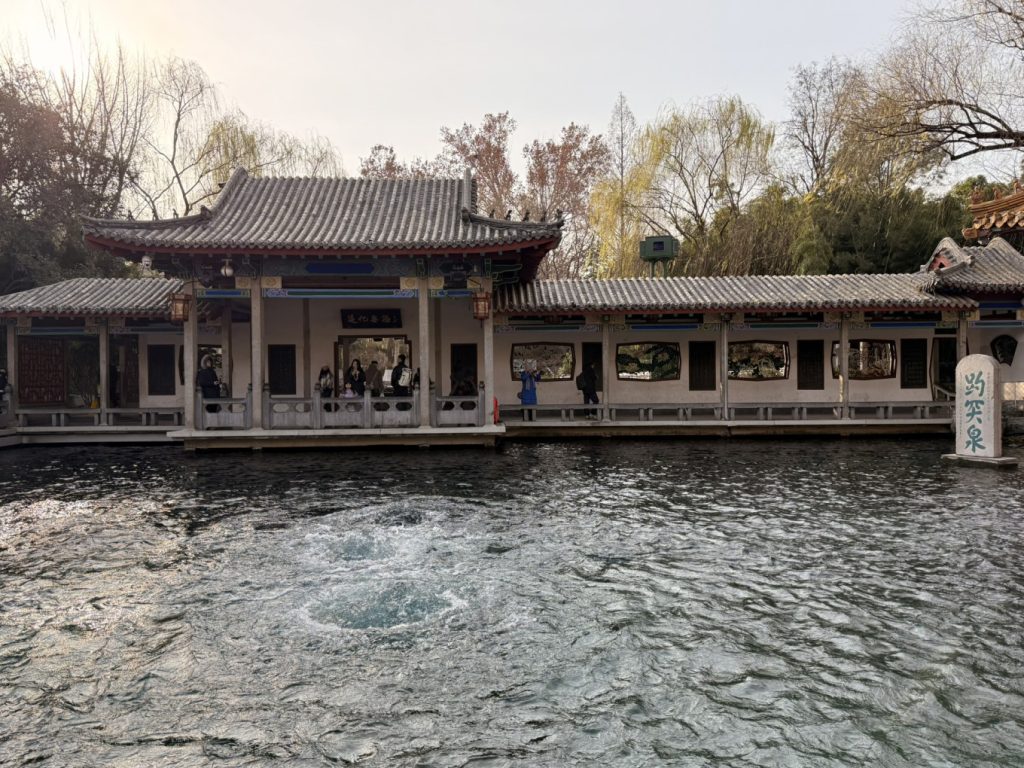
Its name is onomatopoeic, “Baotu” (趵突) mimicking the sound of and action by the water. 趵can mean to splash, or move rapidly, and 突 has the connotation of bursting upwards. Both of these characters are used to evocatively describe the visual of spring water bubbling up from the ground.
Baotu Spring first became known across China in imperial times. During the Qing dynasty, the Kangxi Emperor visited Jinan. On visiting the Baotu Spring, he gave it the title “天下第一泉”, No.1 Spring Under Heaven, an accolade that brought fame to the Baotu Spring as the local symbol of Jinan City.
As well, over the centuries, the Baotu Spring has also been associated with the literary culture of Jinan. The city is the native home of Li Qingzhao and for many generations, springscapes in Jinan have been a draw and muse for poets and scholars. The Baotu Spring itself, now both a historical monument and public park, continues its bubbling flow to this day, just as it has for centuries.
Water, Pavilions, and Flowing Space
Entering the Baotu Spring area, the first sense that greets you is sound. Not loud or dramatic. Simply the subtle movements of water.
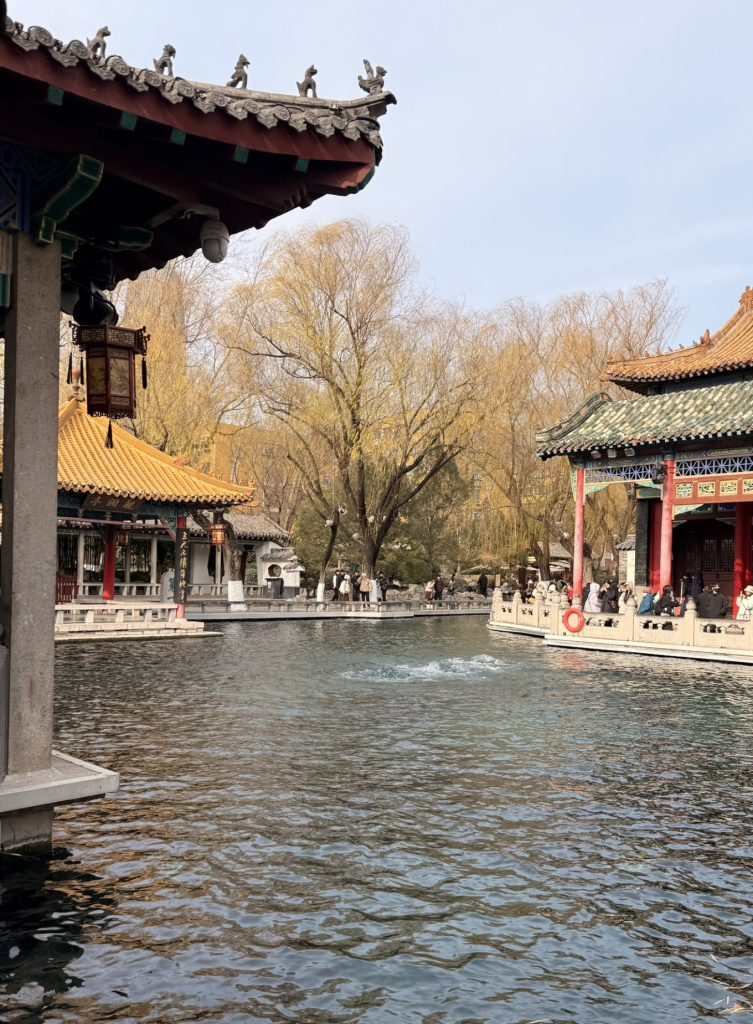
The three Baotu Spring outlets that have become so well-known spring steadily up from underground. The ripples and occasional bursts of bubbles create a rhythmic sound that doesn’t completely stop or end.
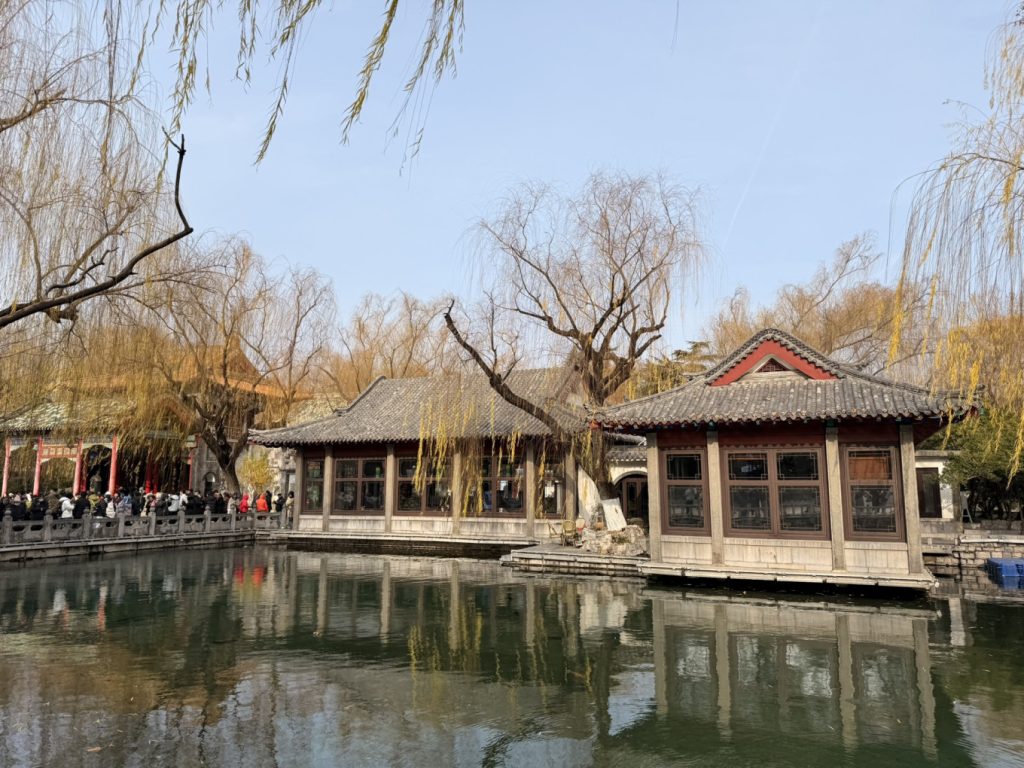
Traditional pavilions frame the water right at the edge of the spring. Their reflections in the water are constantly fractured and interrupted by the movements of the spring underneath.
Visitors stand along the stone railing. But no one seems to be in a rush. Many stop to simply watch. Some waiting for something. Some waiting for nothing at all.
Even in a crowd, the space around Baotu Spring does not feel dense or pressurized. Design decisions in the space between the water and buildings allow them to flow along with people.
Baotu Spring in Winter: Soft Light and Willow Trees
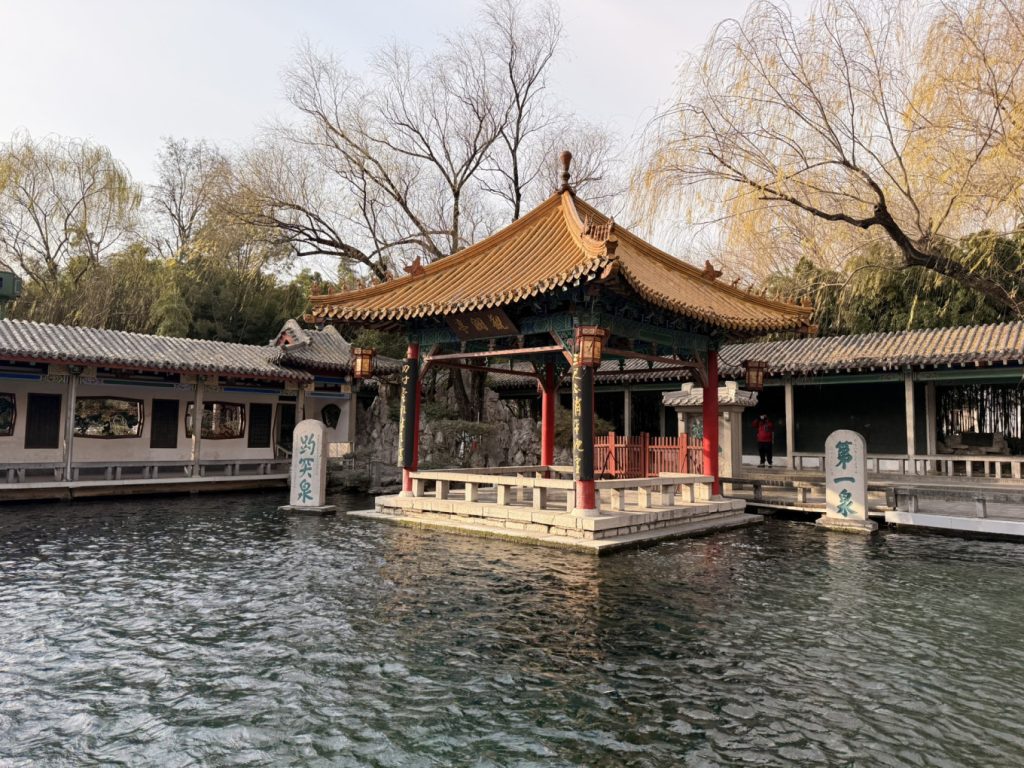
Visiting Baotu Spring in winter ended up being an especially beautiful experience. Trees were bare in many places, but long willow branches still dangled over the water, catching sunlight and waving gently in the breeze.
Winter sunlight in Jinan is soft and low to the ground. It reflects wonderfully off the Baotu Spring water, creating moments where the surface looks almost metallic.
The absence of greenery also means that architecture and water movement are more prominent. In a sense, the landscape is less cluttered in winter, allowing the original Baotu Spring space to breathe more.
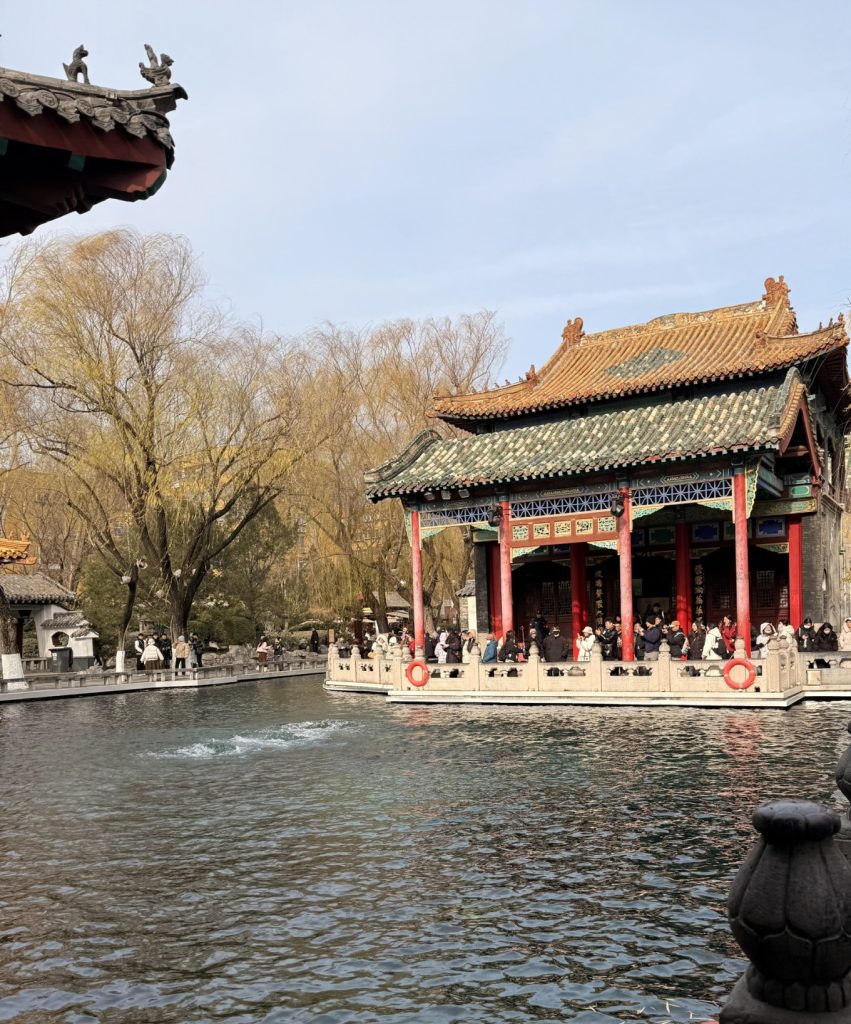
We met crowds of people during our visit, but Baotu Spring still had a calm atmosphere. People moved slowly. Children stopped to stare at bubbles. Older visitors sat against the railing and talked quietly.
Visiting Baotu Spring felt less like a tourist destination and more like visiting a shared public living room.
Sitting by the Spring: Tea, Sunlight, and Doing Nothing
One of my favorite Baotu Spring moments required zero walking.

We found a café by the water, ordered some tea, and just watched the spring. The water was so clear you could see the stone on the bottom with occasional bubbles breaking the surface. Willow branches would drift in and out of view. Winter sunlight spilled over the tables.
Tea and drinks at the café were on the pricier side by Jinan standards. But it made sense for the situation you were in. You are paying for time. Warmth. Stillness.
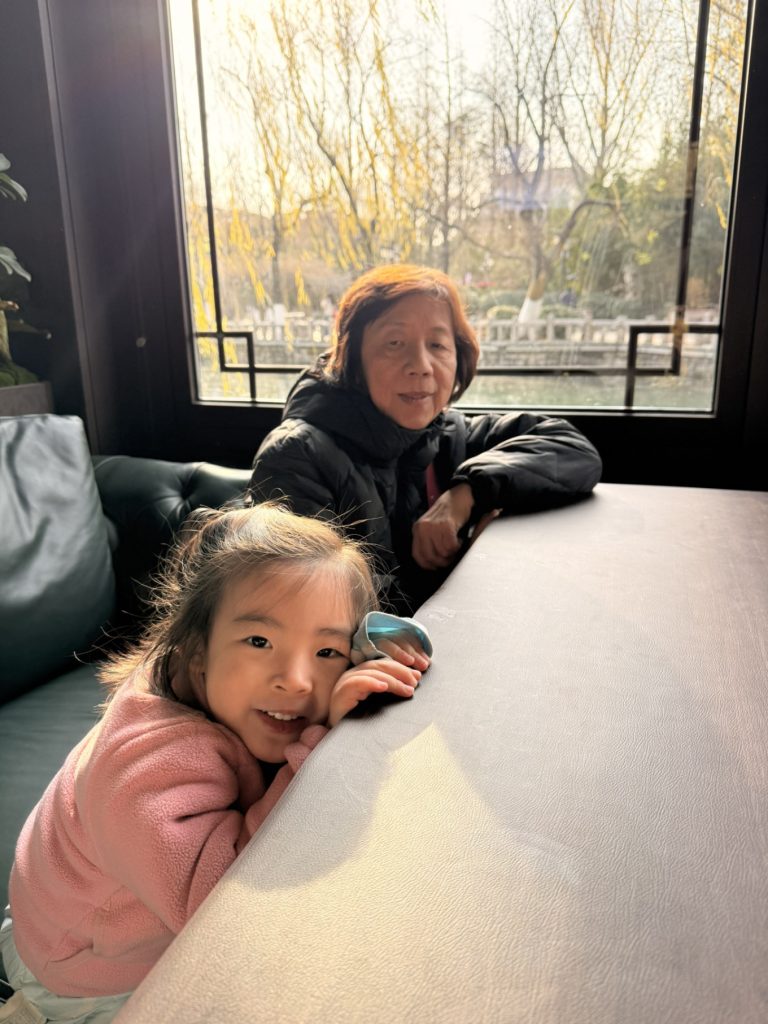
One of those moments when travel suddenly stops feeling like travel and becomes a moment of rest instead.
Winter Comfort Food: Roasted Sweet Potato
Somewhere on our path we also discovered one of the most satisfying winter snacks: Roasted sweet potato
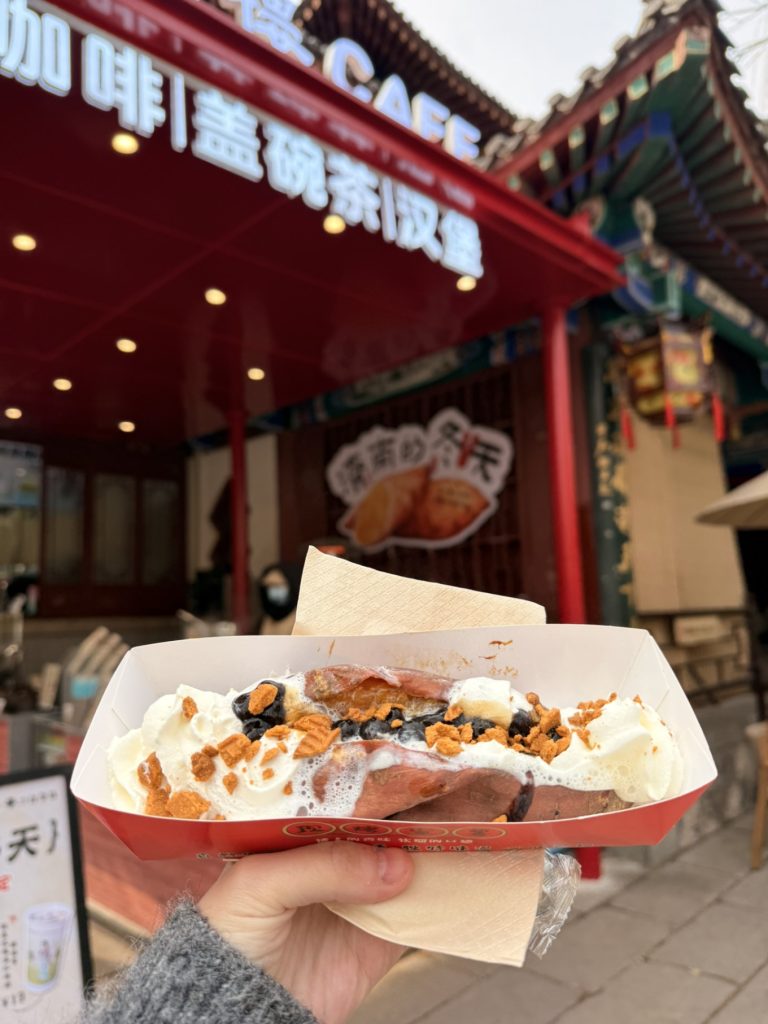
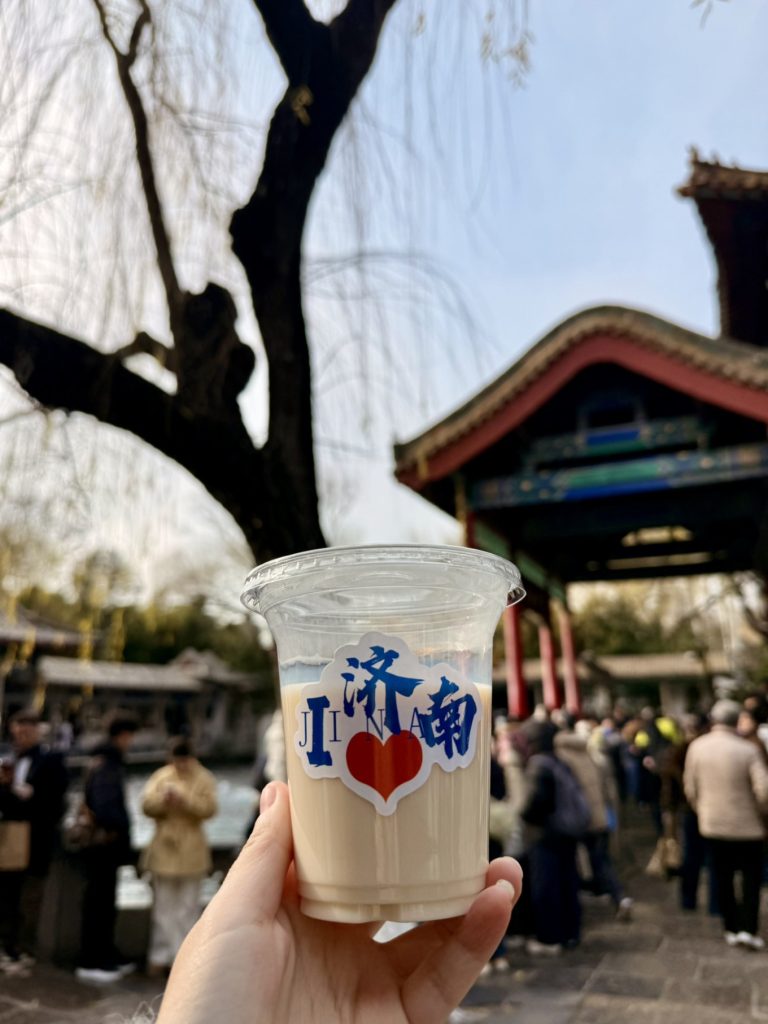
Strange as it sounds, it works. The roasted sweet potato has a deep, naturally sweet flavor that surprisingly pairs well with warm milk tea chewy pearls. For cold weather, it felt like the perfect combination.
Small food moments like this made our Baotu Spring visit even warmer. They also made the whole place feel less curated and more lived-in.
Moments by the Water with Family
Visiting Baotu Spring as a family with a young child ended up being easier than I thought. Paths are wide and mostly flat. Railings are found near the water’s edge. Lots of stopping points to rest along the way.
Our daughter was also entirely mesmerized by the bubbling springs and constant movement of the water. There was no sense of rush. Baotu Spring naturally encourages slow movement, which fits family travel well.
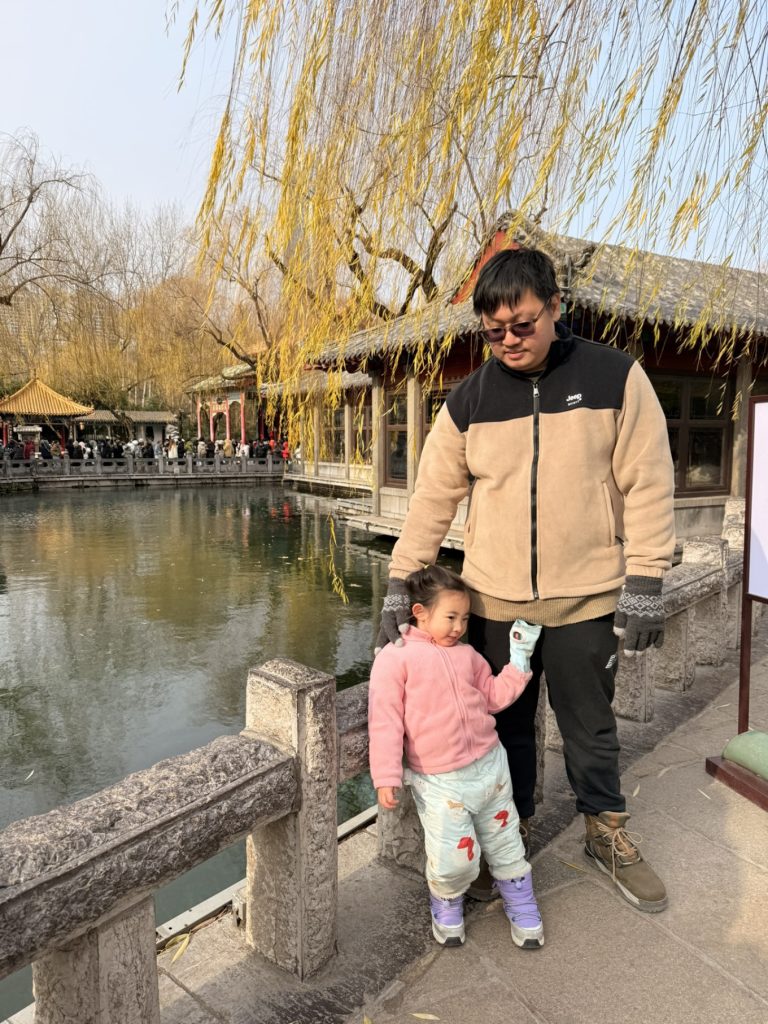
A place where doing less feels like doing enough.
Li Qingzhao Memorial Hall: Culture Behind the Calm
A bit of local culture also connects to Baotu Spring.
Jinan is the hometown of Li Qingzhao, one of China’s most famous poets. Inside the Baotu Spring area, you’ll find the Li Qingzhao Memorial Hall, which adds cultural depth to your visit.
The space is also calming and makes you want to slow down and think. It is a peaceful place that, even if you don’t know Li Qingzhao or her work well, can help connect Baotu Spring to literature, emotion, and personal expression.
Standing there, it was easy to picture her writing inspired by the water, seasons, and quiet.
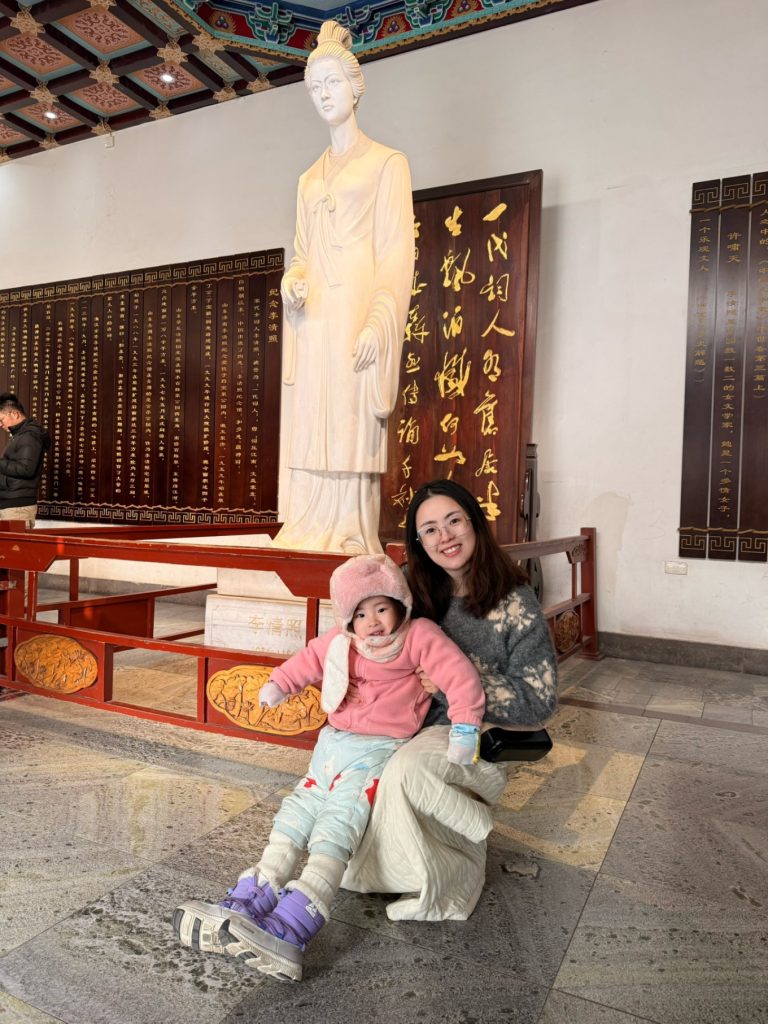
And yes, we also took pictures with her statue. Some memories are easier to document that way.
Why Baotu Spring Feels Different
Many of the world’s famous attractions are sites that quickly overwhelm you with something to see or do. Baotu Spring works differently.
The water is not there to perform. The space is not there to rush you. The crowds are not there to feel aggressively large. Everything has its own pace.
I suspect that is one of the reasons why Baotu Spring has endured for centuries. It doesn’t chase trends or spectacle. It just consistently is.
Practical Info: Free Entry for Air Travelers from Outside Jinan
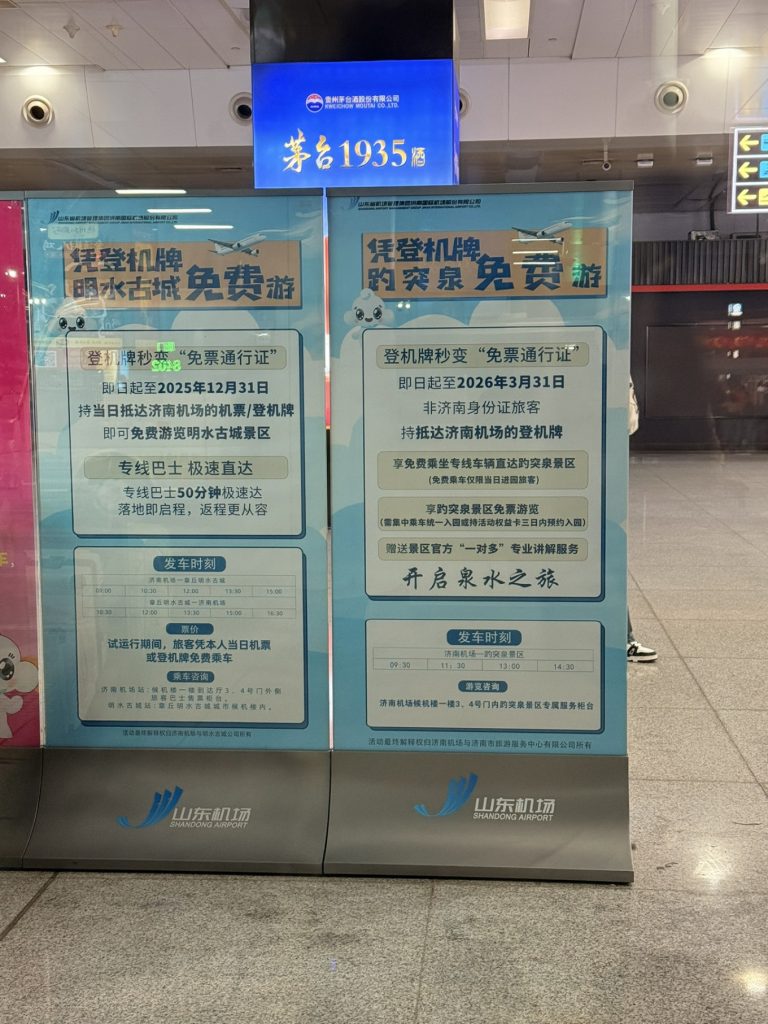
As of this writing, Jinan offers free admission to Baotu Spring for:
- Non-Jinan Residents
- Arrived in Jinan via air travel
Registration is done using your boarding pass, and availability is limited to about 30 people per time slot, so competition is fierce. Regular tickets are also quite reasonable and easy to purchase on-site. Unfortunately, we didn’t get our reservation and have to pay 40RMB per adult for ticket admission.
Final Thoughts: A Place to Slow Down in Jinan
If you are visiting Jinan, Baotu Spring is a must-see spot. Not because it will wow you. But because it will gently slow you down.
Sit by the water. Watch the bubbles rise. Feel the willows sway. Drink something warm. Do less.
Sometimes travel can be best at its simplest.










Baotu Spring Travel Guide: Visiting Jinan’s No.1 Spring