

Kyoto feels old in a way that few modern cities do. It served as Japan’s imperial capital for over one thousand years, but that history isn’t displayed behind museum glass. It lives in local temples, private gardens, teahouses, narrow alleyways, and yearly festivals. While Tokyo might be the heartbeat of modern Japan, Kyoto is its collective memory.
I get it if you’re visiting Kyoto and feel overwhelmed thinking about where to go. There are a lot of famous temples and places to see. This guide won’t try to list everything. Instead, it will tell you where you need to go to understand why Kyoto is special and how to see those places without squeezing every minute of your day.
Let’s dive into the best places to visit in Kyoto!
Why You Should Visit Kyoto
Kyoto is home to over 1,600 Buddhist temples and nearly 400 Shinto shrines. Whole neighborhoods remain preserved like living museums. Yet Kyoto is never stuffy or elitist. You’ll also see monks checking their smartphones, salarymen riding bicycles past giant pagodas, and world-renowned kaiseki restaurants hiding behind wooden doors.
Kyoto provides an extreme juxtaposition that very few cities offer. Massive famous temples are often just a twenty-minute walk from residential neighborhoods. Many tourist attractions are best experienced early in the morning while lesser-known neighborhoods reward you with peace even at noon.
Learning the balance between Kyoto’s busy attractions and tucked-away gems will help you enjoy the city rather than run from one place to another.
Fushimi Inari Taisha
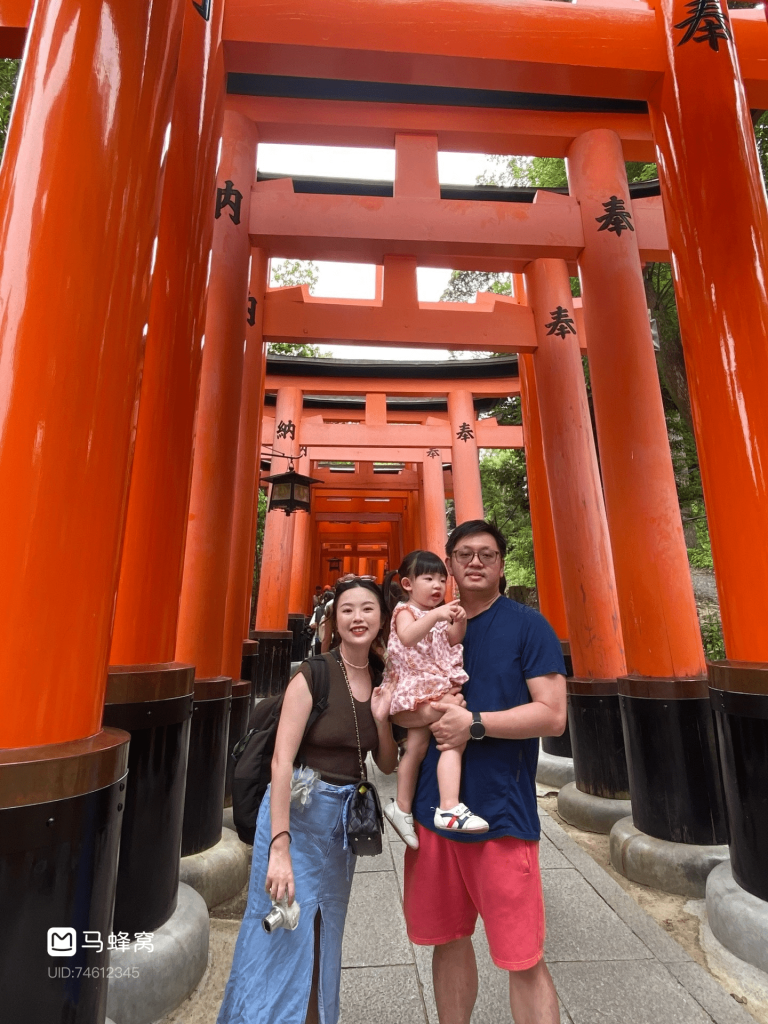
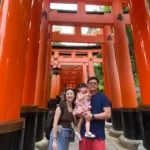
If there’s one photo you’ve seen that makes you think of Kyoto, chances are it’s Fushimi Inari Taisha. It’s an enormous Shinto shrine with thousands of vermilion torii gates that form a tunnel stretching up the mountain for miles.
At the bottom of the trail, most tourists only visit the lower trails near the entrance before turning back. Fewer people venture up the mountain, which is where you want to be. Walking the full loop around Mt. Inari takes 2-3 hours at a leisurely pace, but it’s worth it. The higher you go, the fewer people you’ll see.
The small sub-shrines you pass, stone fox statues, and tree-covered trails create an atmosphere that’s worlds away from the tourist areas down below.
Visit early in the morning or right at sunset if possible. Not only will you avoid crowds, but the way the sunlight filters through the torii gates is absolutely otherworldly.
Kinkaku-ji
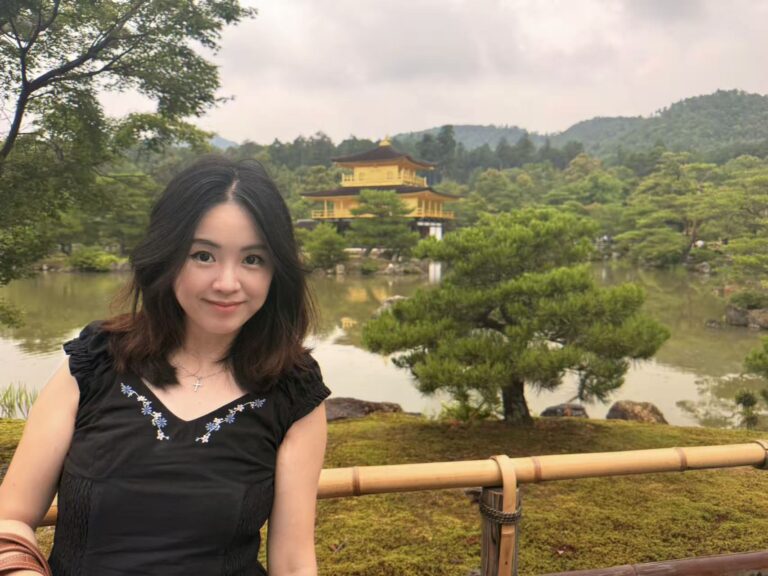
Kinkaku-ji, more commonly known as the Golden Pavilion, is easily one of Kyoto’s most recognizable sights. Both the top two floors are completely covered in gold leaf. On a sunny day, seeing its reflection in the pond below is surreal.
This place is busy and most people cruise through on the one-way walking path. Once you’ve seen the pavilion, you’ve seen it. No need to stick around. But that doesn’t mean you shouldn’t visit.
Spring, Summer, Fall, and Winter all give Kinkaku-ji something unique to offer. If you time it right, you can visit the peaceful garden pathway that winds around the pond and snap photos from multiple angles without crowds.
Pro-tip: Kinkaku-ji often adds hours in the morning during tourist season to allow visitors to arrive right at sunrise. It’s worth checking their social media if this is a photo you’ve been dying to take.
Arashiyama
Source: Flickr
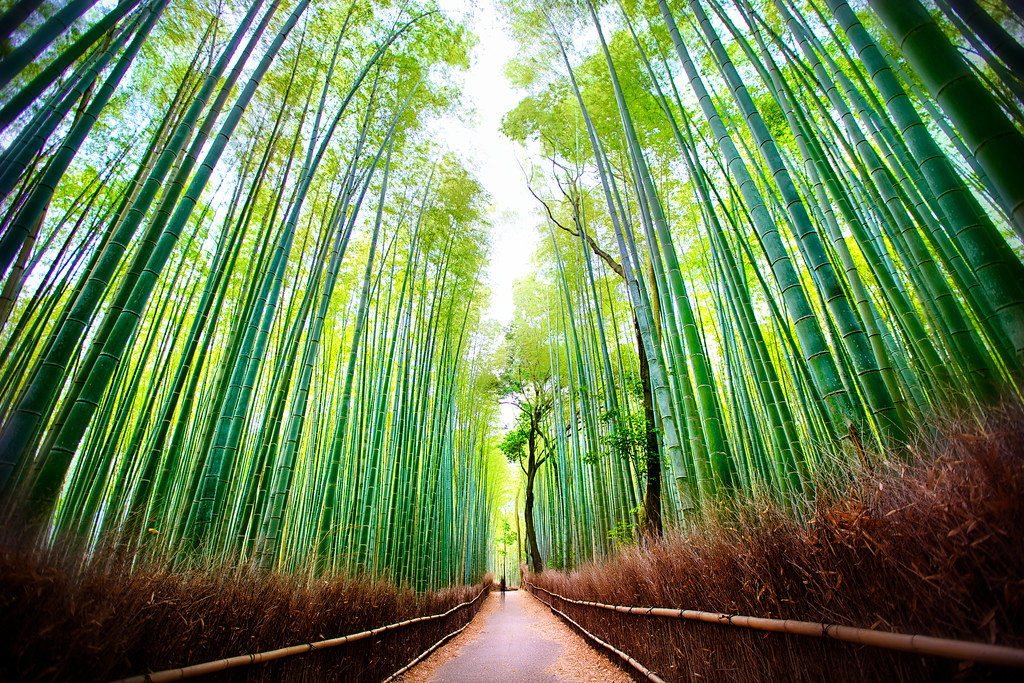
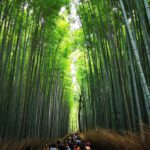
Kyoto is known for its neighborhoods tucked away behind temple gates, but Arashiyama literally lives in the forest. The main draw here is the towering bamboo forest. Tall stalks gently sway back and forth as the wind creates a tinkling sound through the leaves.
As popular as it is, you can still enjoy peace and quiet here if you arrive early enough. Head past the bamboo though, there’s more to see than just one attraction.
With beautiful river views, hiking trails, and traditional farmhouses, Arashiyama is perfect for a half-day trip. If you only have time to visit one spot in Arashiyama, make sure it’s the bamboo grove. But if you have time to see more, definitely see more.
Gion
Source: Flickr
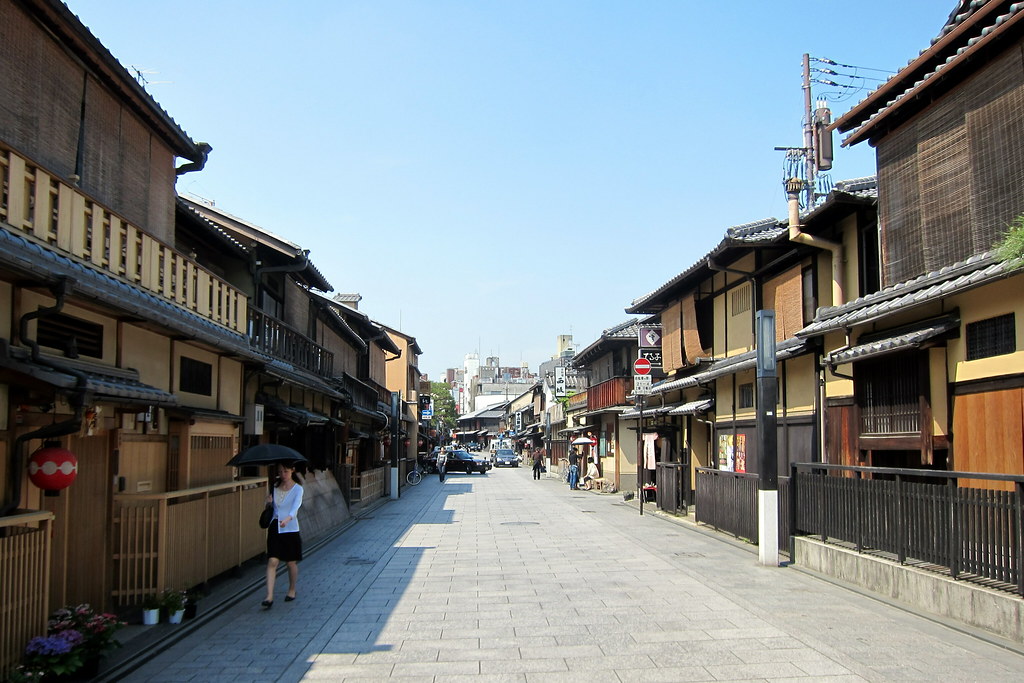
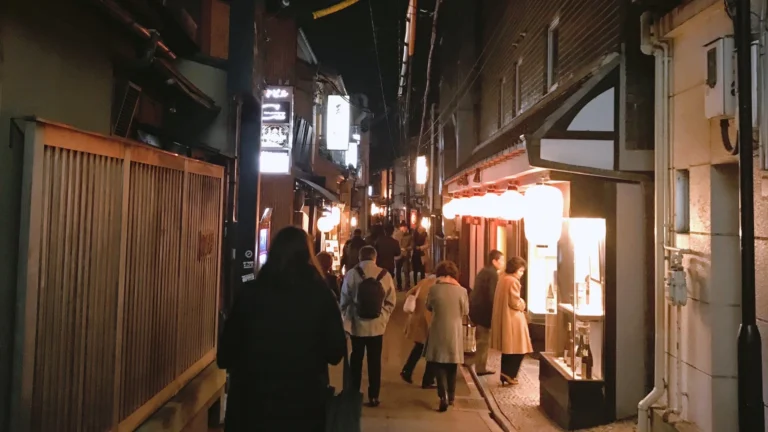
Kyoto is home to many well-known geisha districts, but Gion is the most famous by far. Walking through feels like stepping back in time. Wooden machiya houses line each street, and if you’re lucky you may catch a geiko or maiko dashing between appointments.
The main street through Gion is Hanamikoji Street, but don’t limit yourself to this one road. Venture into some of the smaller streets and you’ll find they’re just as charming (and typically less crowded).
This is one neighborhood you need to respect while in Kyoto. Gion is not a theme park, these are people’s homes. Visit during the evening if you can. Lanterns light the streets, restaurants open up for dinner, and Gion feels like something out of a movie.
Kiyomizu-dera
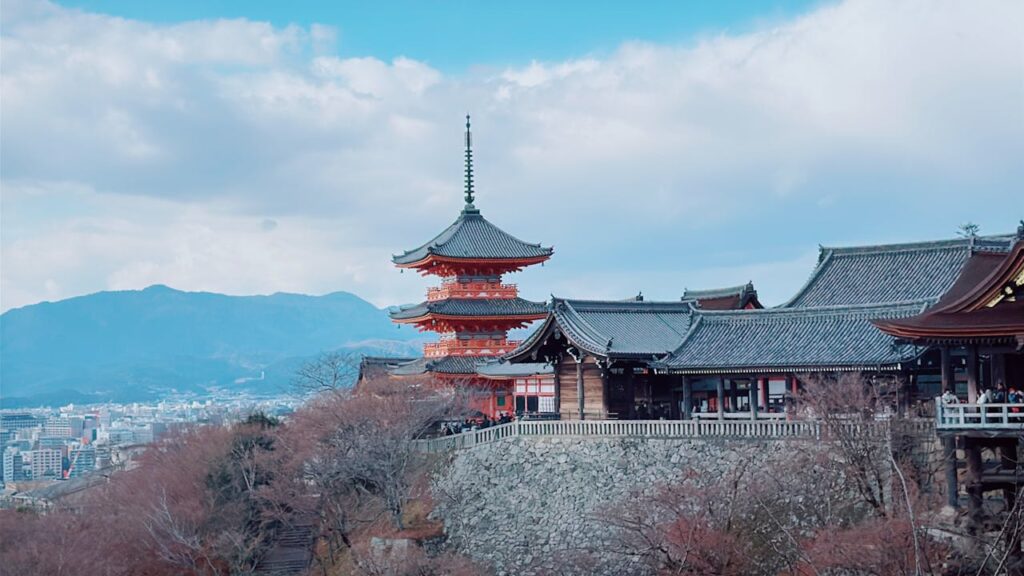
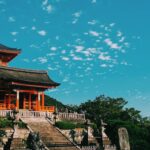
Kiyomizu-dera is perched atop a hillside that gives you a bird’s-eye view of eastern Kyoto. But the real attraction is the temple itself. Its large wooden stage was built without nails and you can stand atop it to take in the panoramic views of the city.
The streets leading up to the temple are worth exploring as well. Lined with traditional sweet shops and souvenir stores, Sannenzaka and Ninenzaka might be busy but they’re quintessential Kyoto.
Plan to spend some time exploring both the interior of Kiyomizu-dera and its peaceful outdoor areas. There are many smaller shrines and paths that most tourists skip over.
Nishiki Market
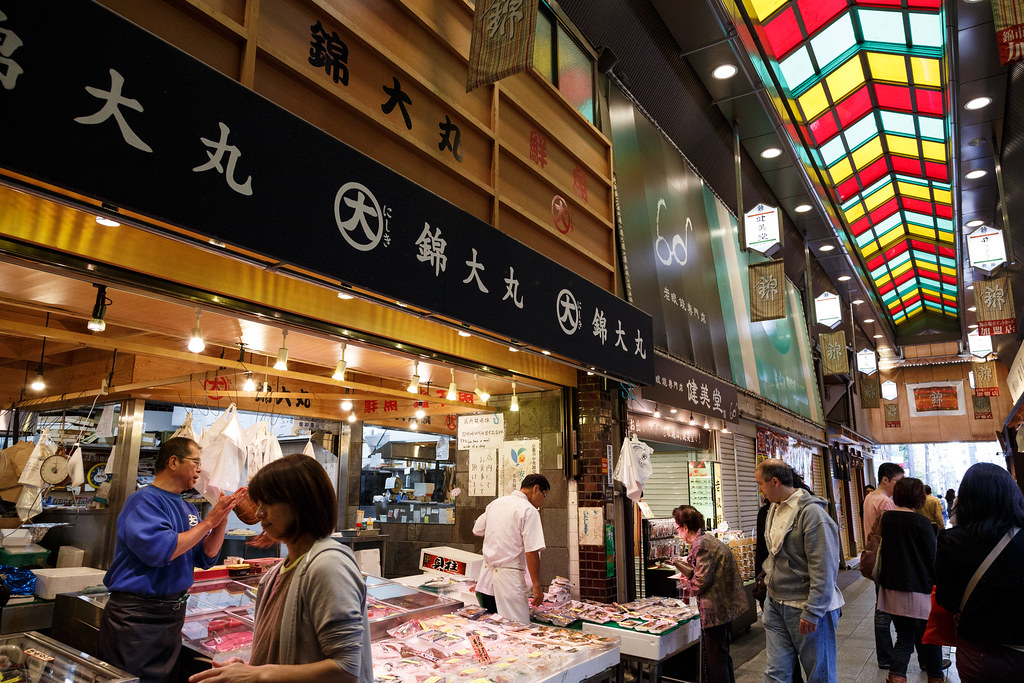
Source: Flickr
Nicknamed “Kyoto’s kitchen,” you could spend all day browsing the shops at Nishiki Market. This covered shopping street is filled with shop after shop selling seafood, pickled vegetables, fresh produce, candy, and everything in between.
Nishiki Market is the perfect place to try Kyoto cuisine like yuba (tofu skin), matcha desserts, and yakitori (grilled skewers). While this is a tourist hotspot, many of the stalls here cater to locals as well. Pop into some of the small restaurants for a quick lunch or grab items to go.
Expect to get spit roasted by chefs wielding flaming swords at one of the izakaya-type restaurants. While this is all part of the experience, it can feel hectic if you’re not expecting it.
Tips: Go hungry, take your time, and never eat while walking through the market. Most stalls have tiny areas you can stand and snack near.
Philosopher’s Path
You might be familiar with another path named after a philosopher – the Appian Way. Japan has its own road of fame in the form of Philosopher’s Path. This flat course follows a canal lined with hundreds of cherry trees.
But did you know this path is great year-round? While the view during cherry blossom season is breath-taking, I love walking this path in Autumn and Spring. It’s quiet, relaxing, and you’ll discover tons of small temples and cafes as you wander along.
Philosopher’s Path connects several important temples, which makes it easy to spend an entire day sightseeing without feeling rushed.
Nijo Castle
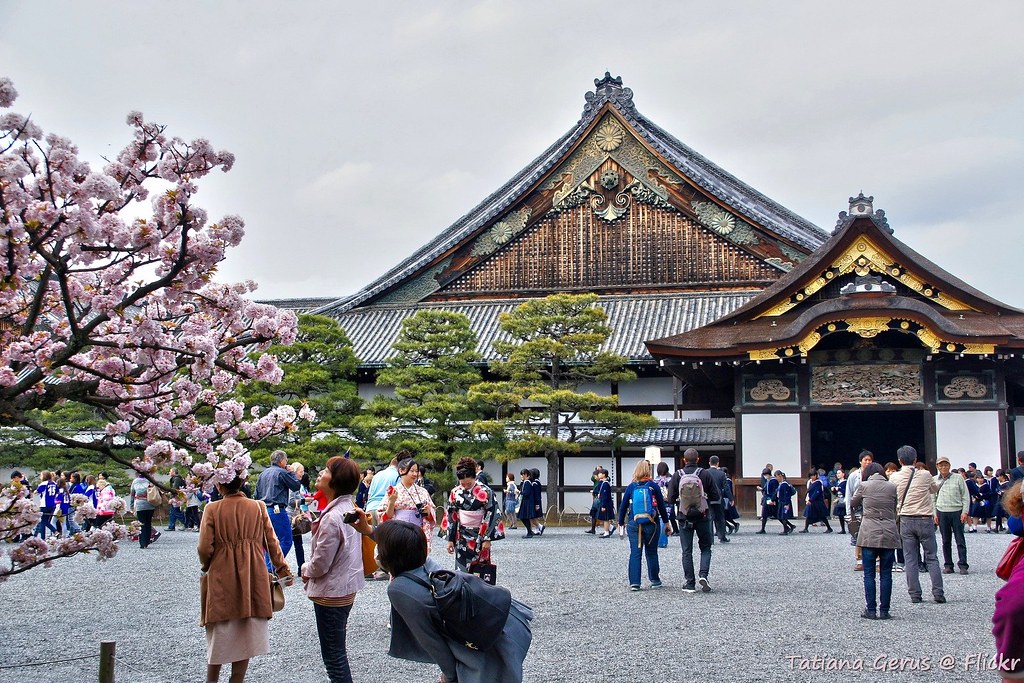
Source: Flickr
All of the other destinations on this list focus on religion. Nijo Castle is here to balance that out. Built as the residential palace of the Tokugawa shoguns, this castle is all about power.
Nijo Castle is best known for the interiors of the palace. Floorboards called “nightingale floors” were designed to sing under the weight of an intruder. While exploring the palace, you’ll feel like you have all the time in the world. This gives the surrounding gardens more room to breathe than other places on this list.
Visit Nijo Castle if you want to see how Kyoto ruled not only spiritually, but politically.
Kyoto Travel Tips
Kyoto has so much to see and do that it would be a crime to try and do it all in one trip. Group destinations near each other and leave free time to wander. There’s no need to rush from one temple to the next.
Public transportation is great in Kyoto, but you’re never more than a fifteen-minute walk from something new. Secret temples, hidden shopping streets, and tiny alleyways abound in Kyoto. Don’t be afraid to get lost.
The best way to avoid the crowds? Become one. Head to popular temples early in the morning. Most open their gates around 8 or 9 am, and being there when they open will change your perspective.
Know when you’re visiting Kyoto and plan accordingly. Spring and Fall bring stunning weather and colors, but also crowds. Summer in Kyoto is hot, humid, and crowded. Winter is quiet, crisp, and equally as beautiful.
Conclusion
Honestly, the best places to visit in Kyoto are the spaces in between. Sure, you should check all of these off your bucket list, but slow your roll. Take a detour down a side street in Gion. Sit in a quiet temple garden for ten minutes. Enjoy a hot cup of tea at the end of a long day.
Kyoto takes time to open up to you, and that’s okay. Rather than trying to check everything off your list, take your time with a few locations. Kyoto is special because it stays with you long after your visit ends.








Leave a Comment