

You’ve decided to go to Japan. Now you’re wondering: what are the best Japanese temples to visit? Japan is home to thousands of temples across Kyoto, Nara, Tokyo, and beyond. So how do you narrow down your temple bucket list?
Well, Japanese temples aren’t only important historical sites. Temples provide insights into over 1,400 years of Buddhist history in Japan. They are also active spiritual havens, world-renowned architectural achievements, and some of Japan’s best cherry blossom and autumn foliage spots. If you’re looking for golden pavilions, big Buddha statues, peaceful Zen gardens, or forest-clad hillside temples, you’ve come to the right place.
Let’s discover the best temples in Japan you have to visit and why they made our list in 2026
- Why You Should Visit Japanese Temples
- Kinkaku-ji – Kyoto’s Golden Pavilion Temple
- Kiyomizu-dera – Best Japanese Temple for Views in Kyoto
- Todai-ji – Home of the Great Buddha Statue
- Senso-ji – Tokyo’s Most Famous Temple
- Ryoan-ji – Japanese Temple with World-Famous Zen Garden
- Horyu-ji – Temple with the World’s Oldest Wooden Structures
- Best Japanese Temples to Visit by Region
- Tips for Visiting Japanese Temples
- Why We Picked These Japanese Temples
- Conclusion
Why You Should Visit Japanese Temples
To better understand why these are the best Japanese temples to visit, let’s discuss what Japanese temples are.
Japanese temple refers to a Buddhist place of worship, which can often be called “tera” or “ji”. Buddhism arrived in Japan during the 6th century and forever changed the nation’s art, architecture, spiritual beliefs, and even day-to-day habits. Temples still remain important sites to pray, meditate, receive funerals, and gather for seasonal festivities.
For visitors, Japanese temples provide:
- An enriching cultural and historical experience
- Architectural styles you won’t find anywhere else
- Gorgeous cherry blossom and autumn foliage season views
- Peaceful sanctuaries away from touristy city areas
Okay, enough backstory. Here are the best temples in Japan that you need to visit!
Kinkaku-ji – Kyoto’s Golden Pavilion Temple
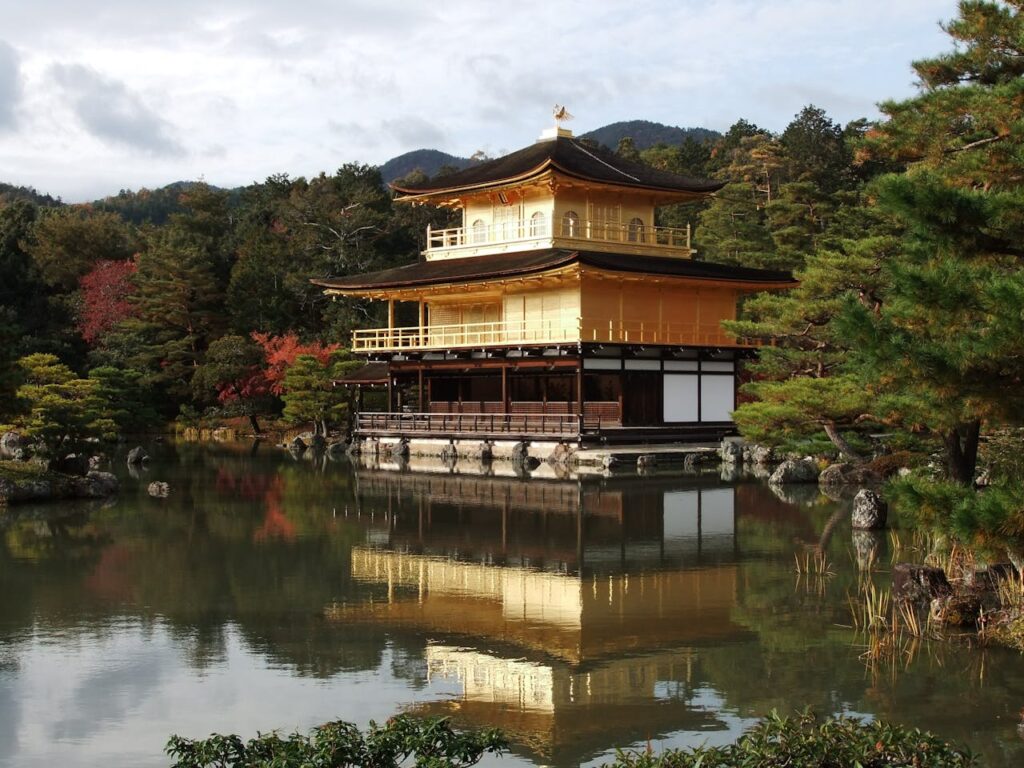
Want to know the number one answer to what are the best Japanese temples to visit? Kinkaku-ji! Also known as “The Golden Pavilion”, Kinkaku-ji is one of Kyoto’s most recognizable temples.
The top two floors of this Zen temple are completely covered in gold leaf. Originally constructed as the retirement villa of a shogun during the 14th century, it was later transformed into a temple. The entire structure stands next to a pond, which beautifully reflects the temple year-round.
Why Kinkaku-ji is one of the best Japanese temples to visit:
- World famous golden architecture
- Picturesque scenery year-round
- Conveniently located in central Kyoto
It’s a no-brainer for your first temple in Kyoto.
Kiyomizu-dera – Best Japanese Temple for Views in Kyoto
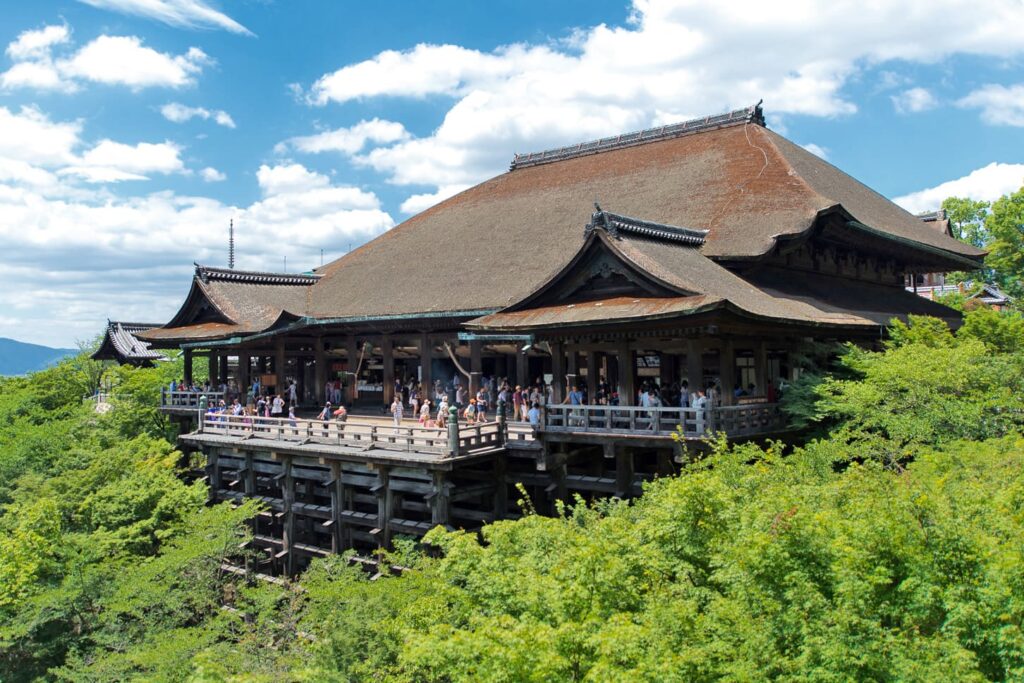
If you ask any locals the best Japanese temples to visit for an amazing view, you will likely hear Kiyomizu-dera.
This temple is famous for its enormous wooden stage that juts out from its main hall, built without the use of nails. For breathtaking views of Kyoto, head to Kiyomizu-dera during cherry blossom season or fall foliage.
Why Kiyomizu-dera is the best temple to visit in Kyoto:
- UNESCO World Heritage Site
- Magical seasonal cherry blossom and foliage views
- Deep spiritual and historical roots
Admission fee.
Todai-ji – Home of the Great Buddha Statue
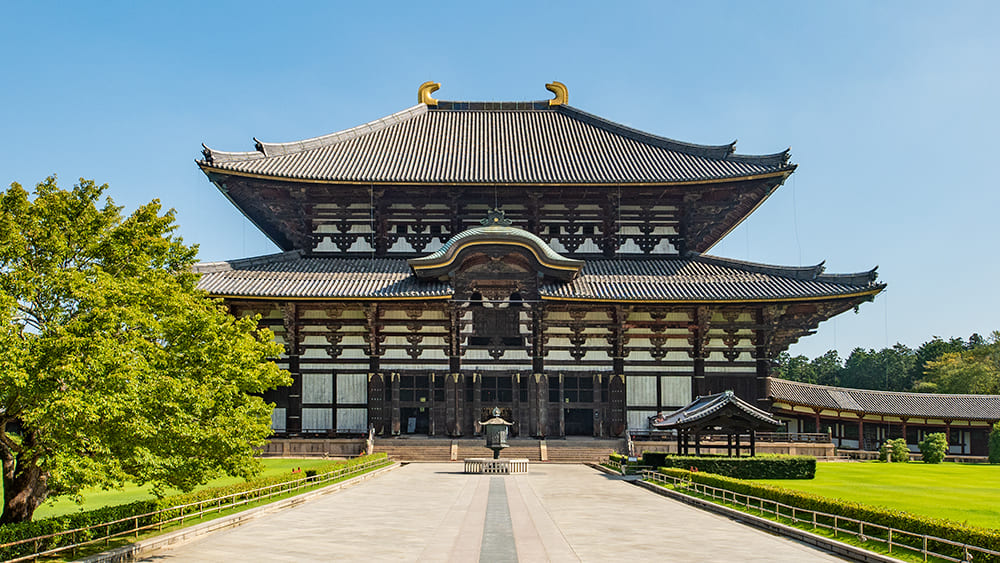
Heading to Nara? Todai-ji is easily one of the best temples in Japan to visit.
Home to the Daibutsu or “Great Buddha”, Todai-ji’s main building is one of the largest bronze Buddha statues in all of Japan. The Great Buddha Hall is also one of the largest wooden buildings in the world.
Why Todai-ji made our list:
- Stunning Great Buddha Statue
- Massive temple structure
- Location in Nara Park amongst free-roaming deer
Perfect for history buffs.
Senso-ji – Tokyo’s Most Famous Temple
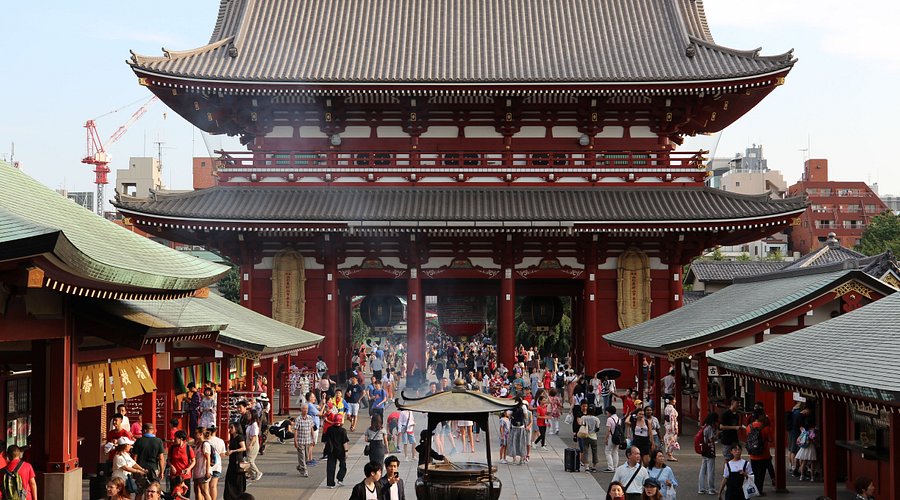
Looking for the best temples to visit in Tokyo? Senso-ji is a Tokyo classic.
Founded all the way back in 645, Senso-ji is Tokyo’s oldest temple. Right next to the temple is the iconic Kaminarimon Gate with its giant red lantern, popular on every Instagram shot in Tokyo. As you make your way to the temple, Nakamise Street is lined with stalls selling traditional Japanese snacks and souvenirs.
Why you should visit Senso-ji:
- Historic temple atmosphere in the heart of Tokyo
- Amazing traditional shopping street
- Gorgeous night light-up views
If you love unique Tokyo scenery.
Ryoan-ji – Japanese Temple with World-Famous Zen Garden
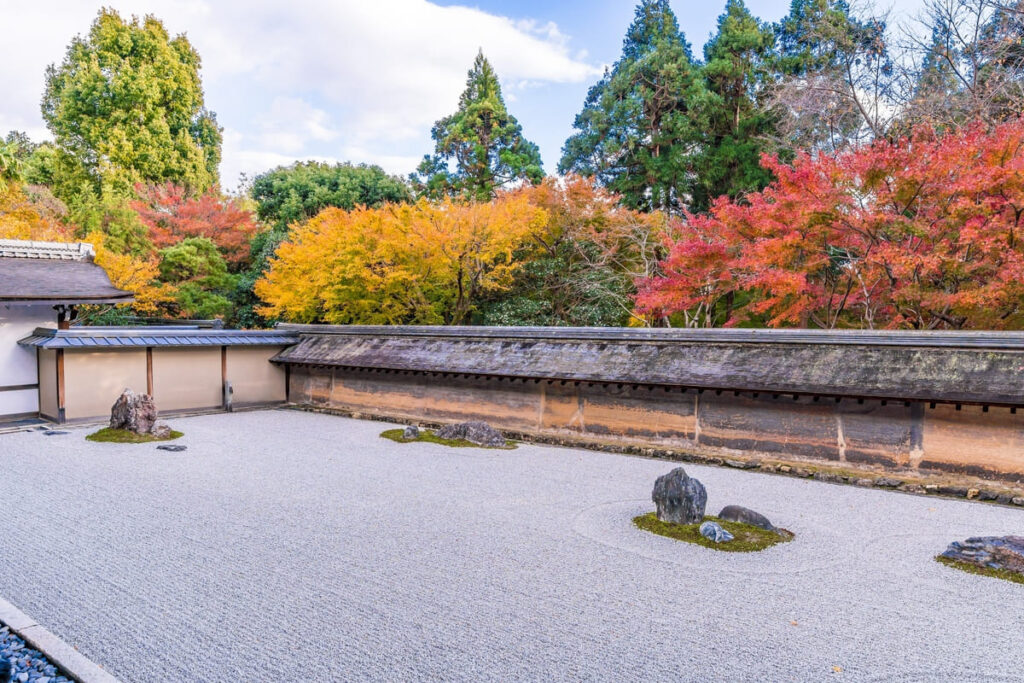
Best temples to visit in Japan for Zen vibes? Ryoan-ji.
While the temple itself is quite simple, the rock garden is what makes Ryoan-ji so famous. Made up of 15 stones layered on top of white gravel, it’s a minimalist approach that inspires meditation. No matter where you stand in Ryoan-ji’s rock garden, you cannot see all 15 stones at once. This is to symbolize that we as humans cannot see everything in life.
Why visit Ryoan-ji:
- Iconic Zen rock garden
- Beautiful temple scenery
- Deep philosophical stone garden
Highly recommended if you’re looking for a relaxing experience.
Horyu-ji – Temple with the World’s Oldest Wooden Structures
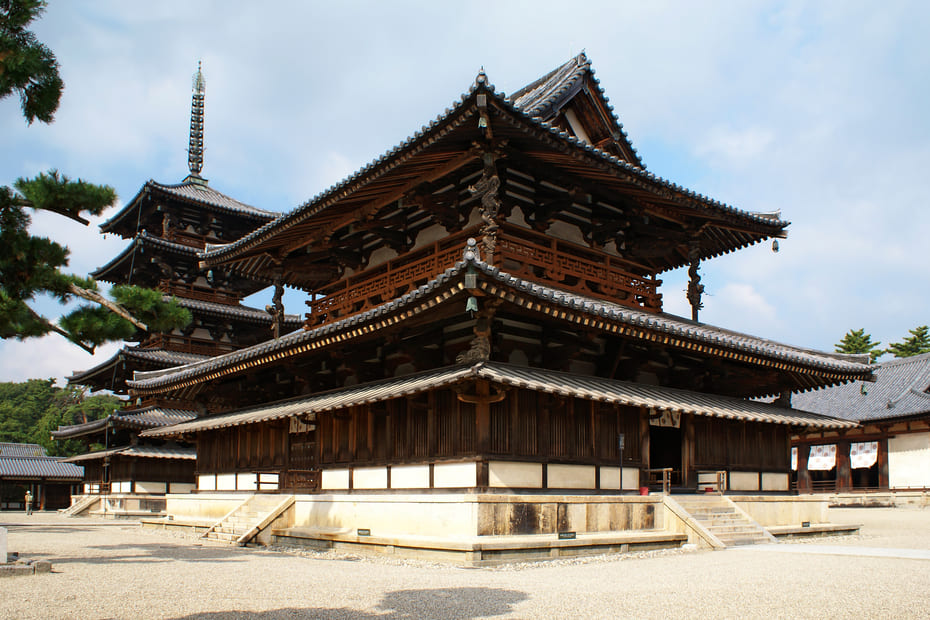
Okay, Horyu-ji might be lesser known than the other temples on our list, but hear us out. If you’re looking for the best temples to visit in Nara, Horyu-ji should be on your list.
The temple was founded in the 7th century, and is home to some of the oldest wooden structures in the world. While it may not look as grand as some of the other temples, visiting Horyu-ji is a trip back in time to see how Japanese Buddhism first originated.
Why Horyu-ji should be on your temple list:
- You can see some of the oldest wooden structures in the world
- Old doesn’t mean it isn’t historical
- Visitors can gain insight into early Japanese Buddhist history
- UNESCO World Heritage Site
Best Japanese Temples to Visit by Region
Kyoto: Kinkaku-ji, Kiyomizu-dera, Ryoan-ji
Kyoto is by far the best region in Japan to visit when it comes to temples. Not only does it have the most temples, but it also has the biggest variety.
Nara: Todai-ji, Horyu-ji
Visiting temples in Nara is similar to Kyoto, but on a more relaxed level. The temples are grand and just as historical, but you won’t find them overcrowded with tourists.
Tokyo: Senso-ji
You would be surprised how many temples Tokyo has to offer. Senso-ji is easily the most popular and tourist-friendly temple in Tokyo.
If you’re short on time, spend your days between Kyoto and Nara. If you find yourself with some extra days in Tokyo, don’t forget to check out Senso-ji.
Tips for Visiting Japanese Temples
Now that you know what are the best Japanese temples to visit, let’s go over some tips for visiting temples in Japan.
- Visit morning. A lot of tourists tend to visit Japanese temples around midday. If you’re trying to avoid the crowds, go as soon as they open.
- Dress conservatively. Like most religious sites, conservative attire is expected when visiting temples.
- Be respectful. Don’t be afraid to light some incense if it’s offered, bow before prayers, and keep your voice down.
- Visit in season. Japan is known for its cherry blossoms and amazing foliage. If possible, time your temple visits to see them during these seasons.
- Most temples will ask for a small donation when you enter, so keep some cash on you.
Why We Picked These Japanese Temples
Each temple on our list was chosen due to its architectural beauty, accessibility, historical importance, and spiritual atmosphere. Some will wow you with walls of gold. Others will take your breath away with how simple and quiet they are.
No matter what kind of temples you’re looking for, these are sure to please. Each temple allows visitors to understand Japanese Buddhism and craftsmanship a little bit better.
These aren’t just temples to check off your bucket list. Take your time to admire the detailed wood work and atmosphere designed for meditation.
Conclusion
With thousands of temples to choose from in Japan, you may be asking yourself, how did we only pick 6 temples? While Japan is full of hidden gems, these are our personal favorites when it comes to temples. Each temple provides something different and really shows off what Japan has to offer spiritually.
From impressive gold-covered structures to 1,500-year-old buildings, these are sure to impress your friends when you post that next photo on Instagram. Happy temple hunting!














Best Japanese Temples to Visit: Top 6 Must-See Temples in Japan