
Our original itinerary for visiting Osaka, Kyoto and Kobe in Japan for seven days included a mini-break to Kii- Katsuura. However we had to change our Japan holiday plans almost immediately we landed due to heavy rain and disruption caused by a typhoon.
Fortunately this meant we gained an extra couple of days in Osaka. Rather than rushing around seeing sites a long way from each other we created a more relaxed Kansai itinerary focusing on shopping, food and visits to places we had previously missed. While this was the fourth time we visited Japan, this felt like a very different experience to previous Japan holidays. As we were travelling as a couple rather than with our kid, we felt able to venture into smaller restaurants, stay out later for dinner and visit places off limits to some of the under-20s.
We visited Japan from 27 June to 3 July 2026. Our trip included Osaka (the majority of the time), one day trip to Kobe and three nights in Kyoto. This would work well for anyone who enjoys food, shopping, Instagrammable streets and relaxed sightseeing rather than rushing around to tick off every famous Kansai sight.
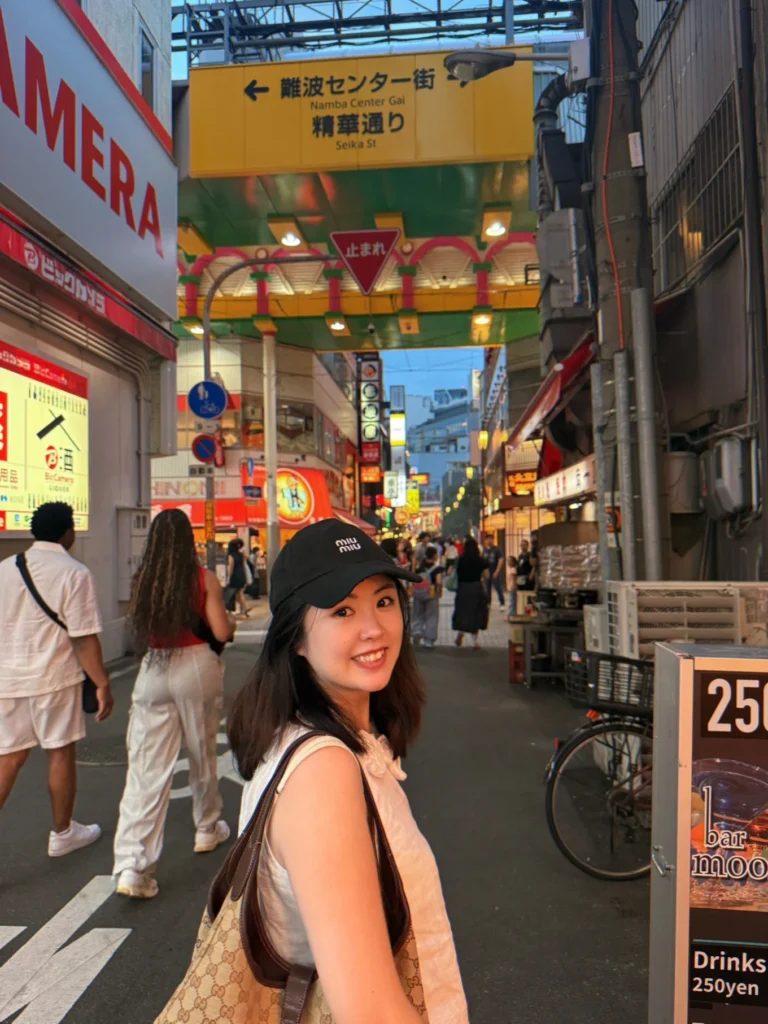
- Our 7-Day Osaka, Kyoto and Kobe Itinerary at a Glance
- Day 1: Arrive in Osaka and Explore Umeda
- Day 2: Kobe, Sanda Premium Outlets and Dotonbori
- Day 3: Namba Yasaka Shrine, Shinsaibashi and Kyoto
- Day 4: Eastern Kyoto, Kiyomizu-dera and Gion
- Day 5: Arashiyama and Kinkaku-ji
- Day 6: Return to Osaka and Walk around Nakazakicho
- Day 7: Depart from Kansai International Airport
- Where to Stay During This Osaka, Kyoto and Kobe Itinerary
- Practical Tips for Planning the Same Kansai Route
- Frequently Asked Questions
- Final Thoughts on Our 7-Day Kansai Itinerary
Our 7-Day Osaka, Kyoto and Kobe Itinerary at a Glance
| Day | Overnight | Main itinerary |
|---|---|---|
| Day 1 | Osaka Umeda | Arrive in Osaka, Umeda shopping and dinner |
| Day 2 | Osaka Namba | Kobe, Meriken Park, Sanda Premium Outlets and Dotonbori |
| Day 3 | Kyoto | Namba Yasaka Shrine, Shinsaibashi shopping and transfer to Kyoto |
| Day 4 | Kyoto | Chishaku-in, Kiyomizu-dera, Sannenzaka, Gion and Kennin-ji |
| Day 5 | Kyoto | Arashiyama, Gio-ji, Saga-Toriimoto, Yusai-tei and Kinkaku-ji |
| Day 6 | Osaka Umeda | Return to Osaka, Nakazakicho and final shopping |
| Day 7 | Departure | Travel to Kansai International Airport |
This route is best treated as a flexible guide rather than a strict timetable. Summer rain, restaurant reservations and shopping queues can easily affect how much you complete each day.
Day 1: Arrive in Osaka and Explore Umeda
Our flight arrived safely and on time at Kansai, though Osaka was still experiencing heavy rain and interrupted transit schedules. Instead of venturing further, we took the train to Umeda, checked into our hotel, and remained indoors for the remainder of the day.
It was the easiest way to kickstart our journey.
Umeda is also one of Osaka’s best districts to stay in if shopping is on your itinerary. Osaka Station is linked to a massive system of shopping malls, department stores, and underground walkways. You can spend days inside without ever stepping out for extended periods of time.
We wandered around Daimaru, LUCUA Osaka, and the surrounding station area. Tourists arriving during inclement weather could easily replicate this itinerary and not feel like they wasted their first day.
Where to eat in Umeda
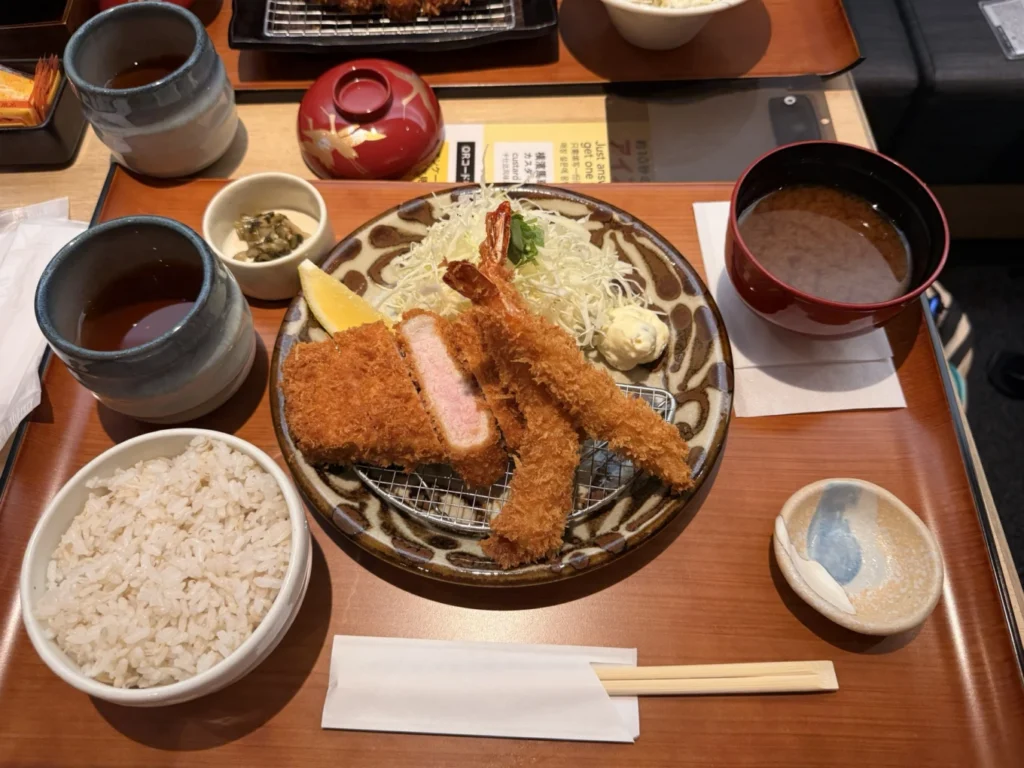
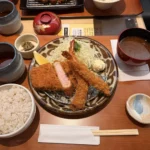
Our first dinner was tonkatsu at a restaurant (Tonkatsu Tazumura) within LUCUA Osaka. It was not super fancy or fine-dining, but the pork cutlet was crunchy, hearty and decently priced considering it was so convenient.
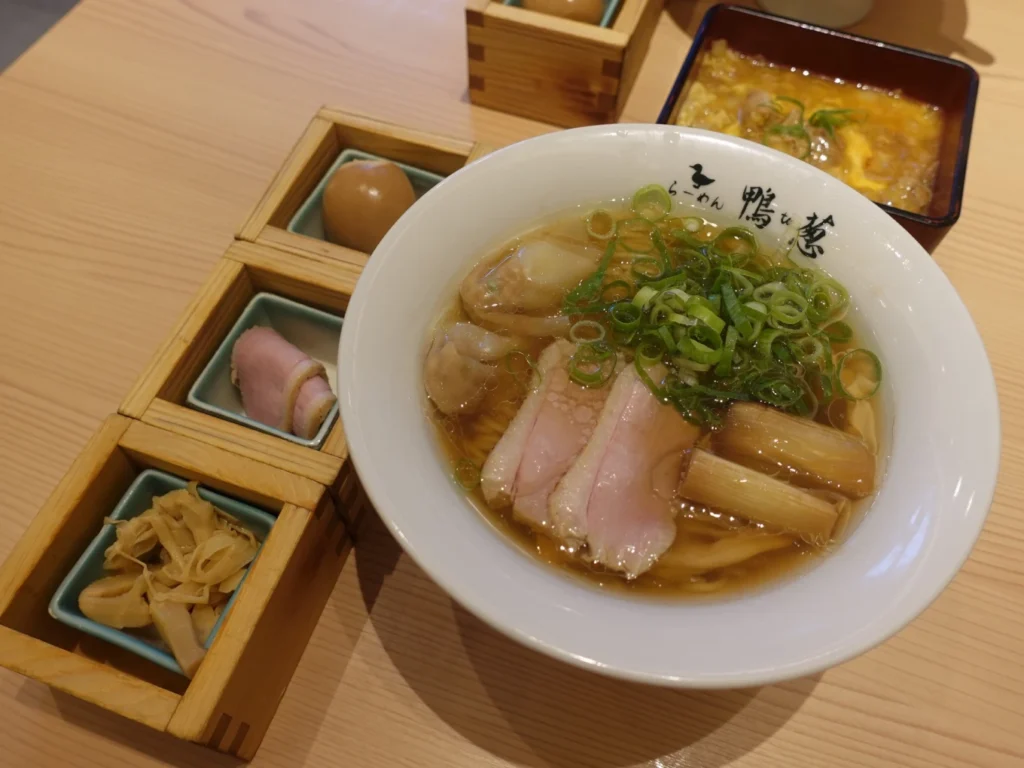
Another decent option near Osaka Station is Ramen Kamo to Negi, located within the foodhall Inogate Osaka. This place specialises in serving a clearer duck- and leek broth instead of the heavy tonkotsu soup. Perfect for travellers who love ramen but find some servings too filling.
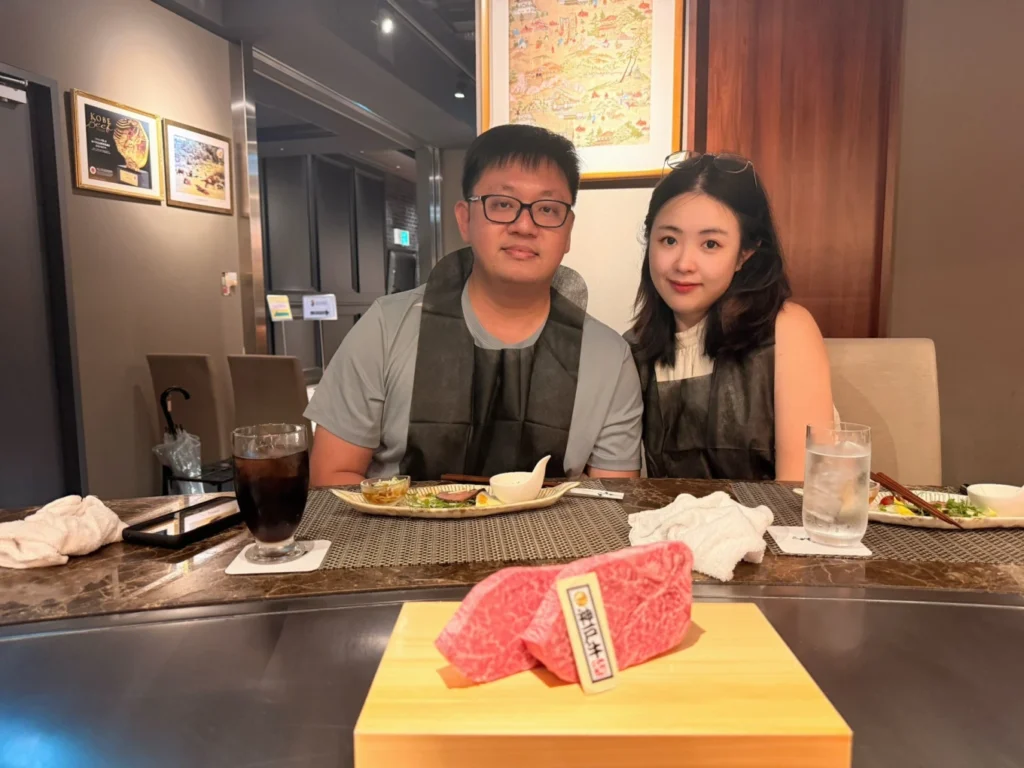
For a fancier dinner, make a reservation at Ishida Kobe Beef in Umeda. We paid about S$500 SGD for two pax, so this ain’t your daily dinner. But trust us, the quality of their beef and watching them cook the meat right in front of you on the teppanyaki made for one of the best meals during our trip.
Where we stayed: Hotel Granvia Osaka
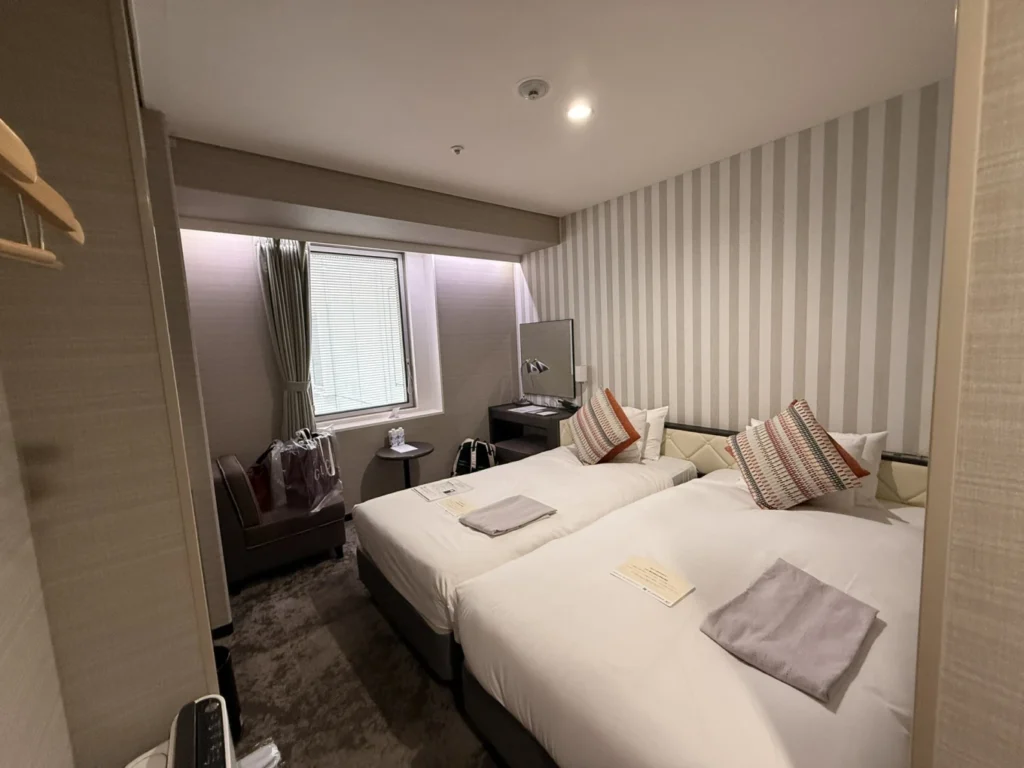
Hotel Granvia Osaka shares the same building as Osaka Station with Daimaru right below. Location wise you can’t get any better especially when you have luggage or will be shopping at Umeda.
Room rate was about S$230 SGD a night.
The only negative point is the size of the room. We were only able to unpack 1 big suitcase comfortably. Some of the amenities were also older i.e sockets and above average Wi-Fi.
But overall I would still recommend Hotel Granvia Osaka to anyone who doesn’t mind the size of the room but wants convenient access.
We started the second day with an early trip to Kobe.
Kobe is close enough to Osaka for a half-day visit, which makes it easy to combine with shopping or an evening back in the city
Morning at Meriken Park
We started our day at Meriken Park where we took pictures with the famous “BE KOBE” sign and wandered around the waterfront.
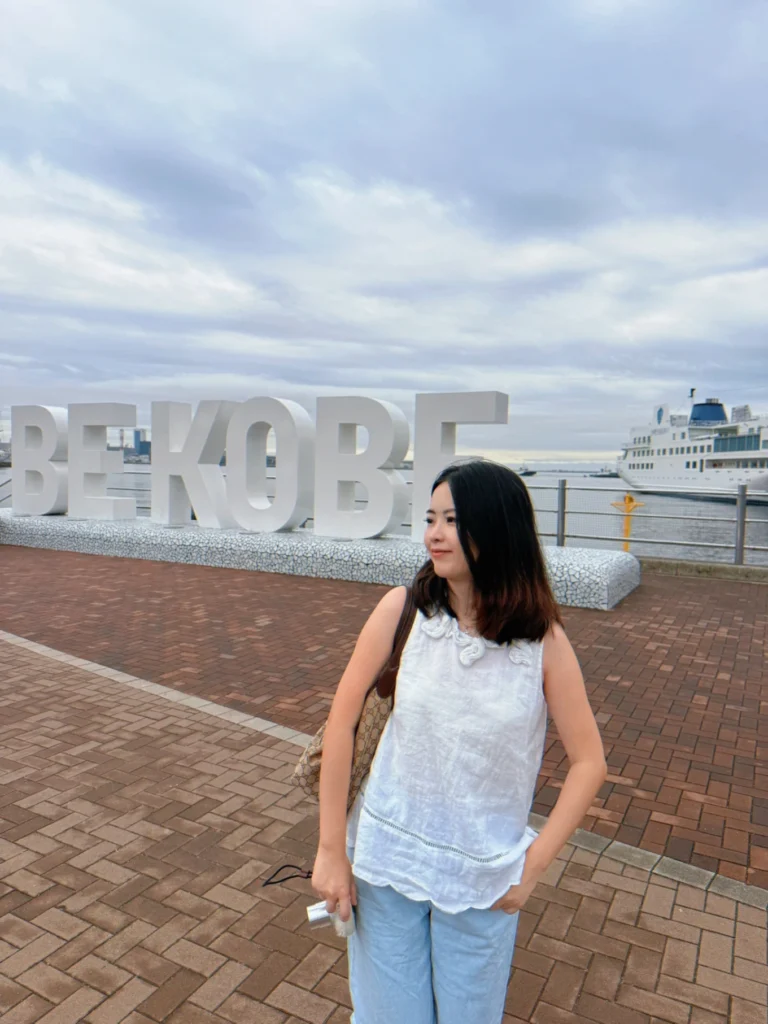
The weather had some cloud, so the harbour wasn’t as sunny as it probably appears online. But it was still nice to be outside in such an open waterfront district instead of one of Osaka’s urban commercial areas.
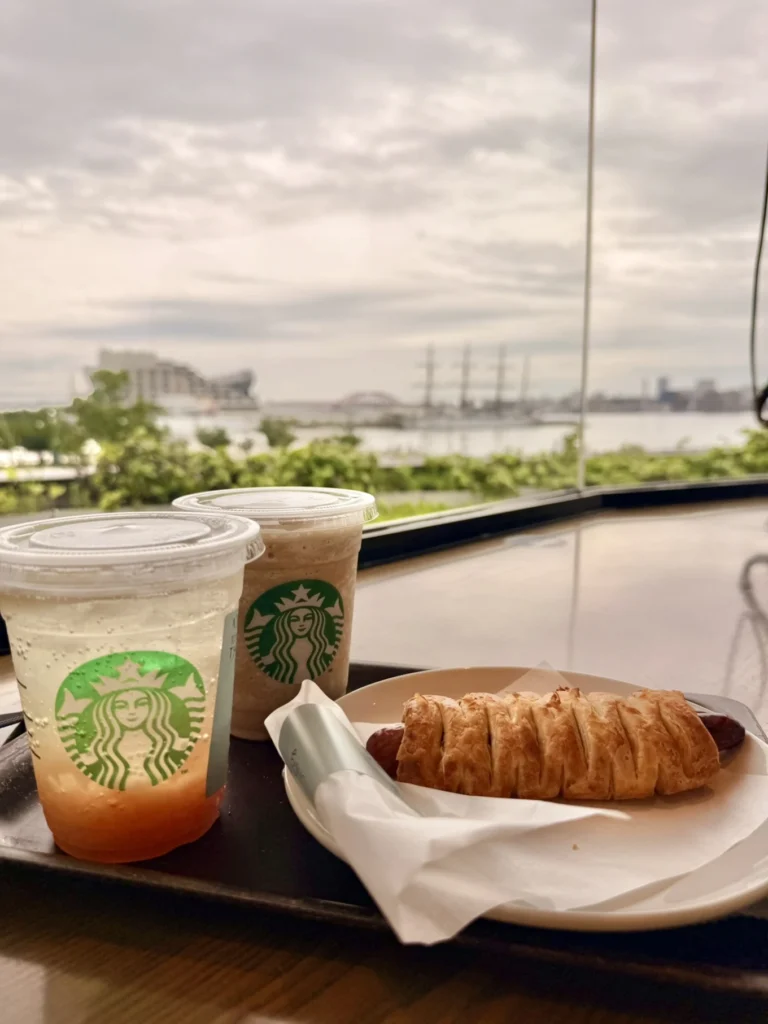
Unexpectedly, our favourite spot was the Starbucks nearby. We got a prime view looking out across the park, and it was nice to have somewhere comfy to sit down before continuing our explorations.
We then wandered around Kobe’ Former Foreign Settlement. The streets feel very spacious and organised compared to Osaka city centre. Kobe’s biggest department store Daimaru Kobe can be found here, surrounded by large street-facing luxury shopping malls.
Before heading away from central Kobe, we stopped briefly at Ikuta Shrine.
From Kobe, we took the bus to Kobe- Sanda Premium Outlets.
Only add this outlet to your Kansai itinerary if shopping is legitimately one of your activities you want to do. The outlet is massive and you could easily spend a few hours here. Lines outside some popular stores can also get really long.
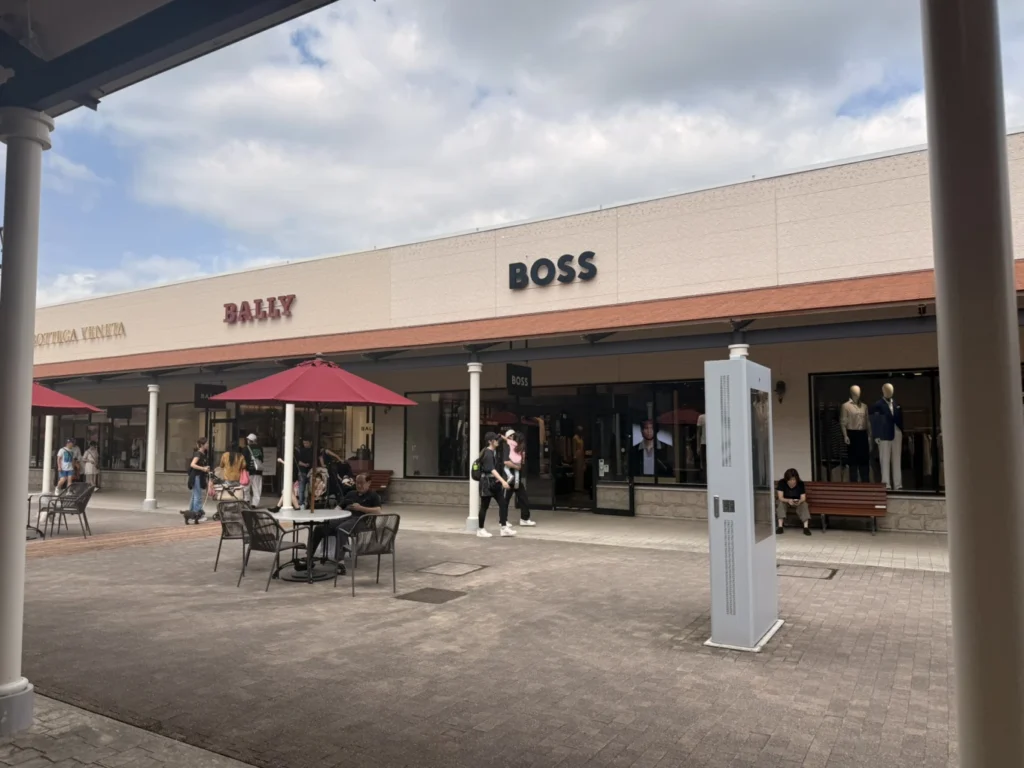
We had lots to look at and while we wanted to check out Celine, the line outside was insane by the time we got there. If shopping is a must on your Japan trip, try getting to the outlet earlier in the day.
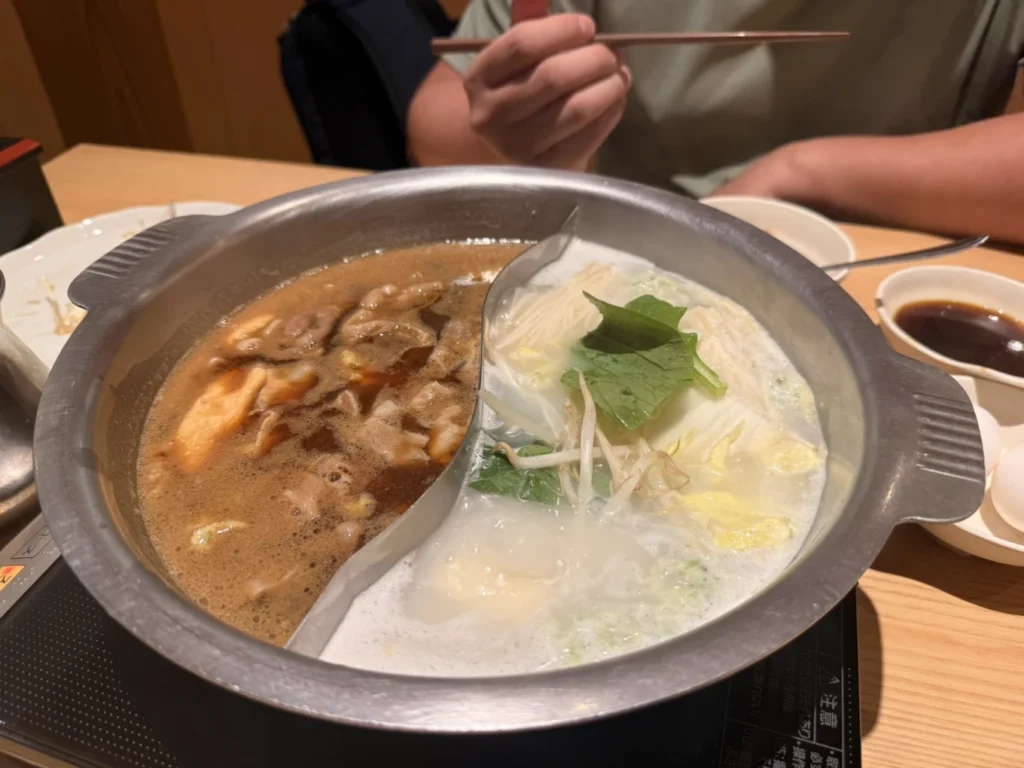
We grabbed lunch at Shabu Sai inside the shopping centre across from the outlet. Eating buffet-style shabu-shabu here felt like such a steal compared to its Singapore branches, and the marbling on the beef was also better than we expected.
We caught a shuttle back towards Umeda later on which took about 1 hour at the time of our visit. Bus timetables/boarding points may differ so do keep updated before relying on this mode of transportation.
Evening in Namba and Dotonbori
Following our excursion to Kobe we headed back to Namba and checked into our hotel, Swissôtel Nankai Osaka.
The location of the hotel above Nankai Namba Station is ideal if you want to explore southern Osaka. Takashimaya, Namba Parks, Dotonbori and Shinsaibashi are all within walking distance.
After dropping our bags we headed straight into Osaka’s busiest district.
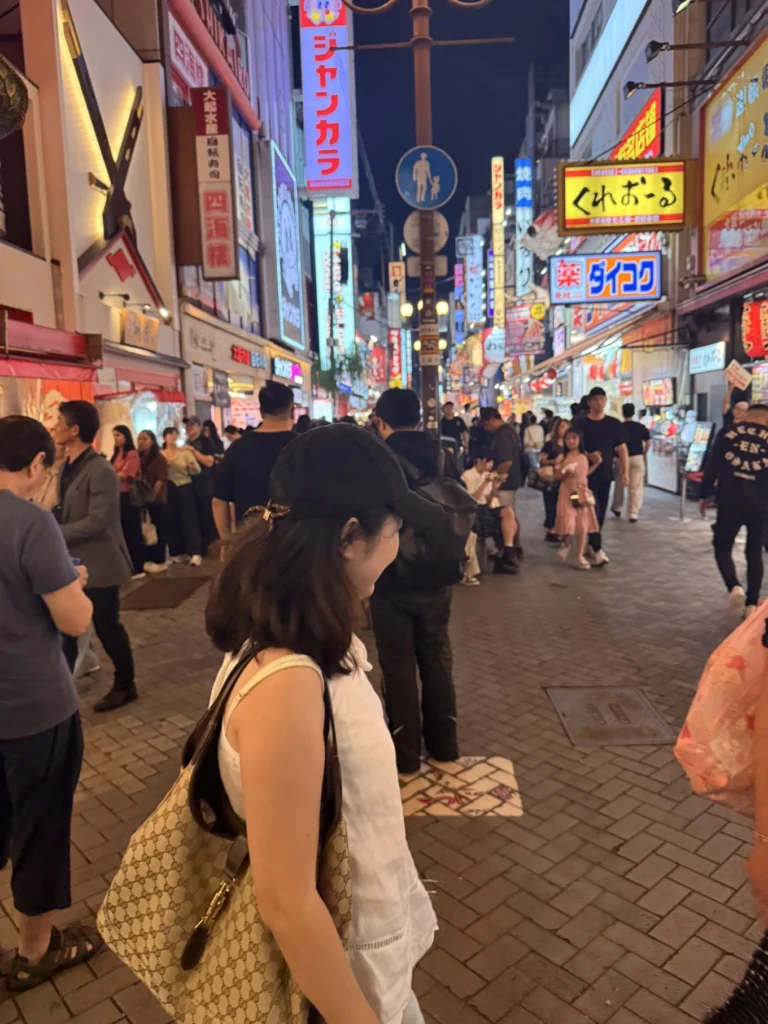
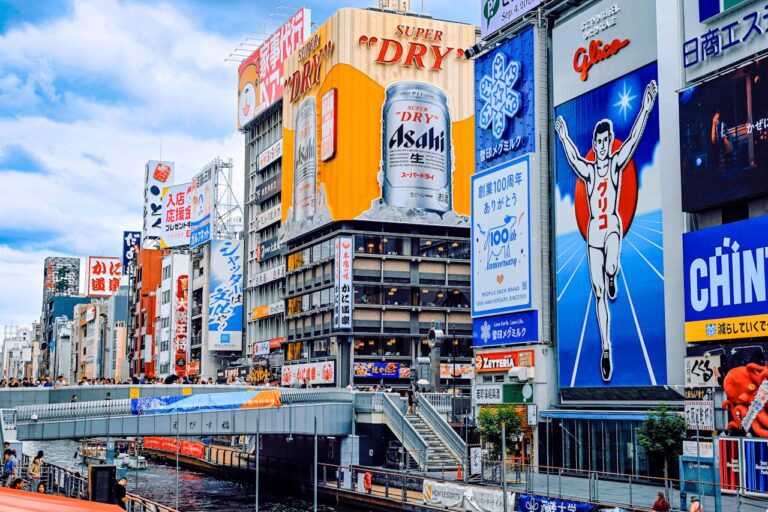
Throngs of people walk the streets of Dotonbori. The area is congested, commercial and proudly touristy. However, Dotonbori at night is also one of the most entertaining districts in Osaka. The flashing lights, narrow streets filled with food stalls, and foot traffic along the canal make Dotonbori what most visitors think of before they even arrive.
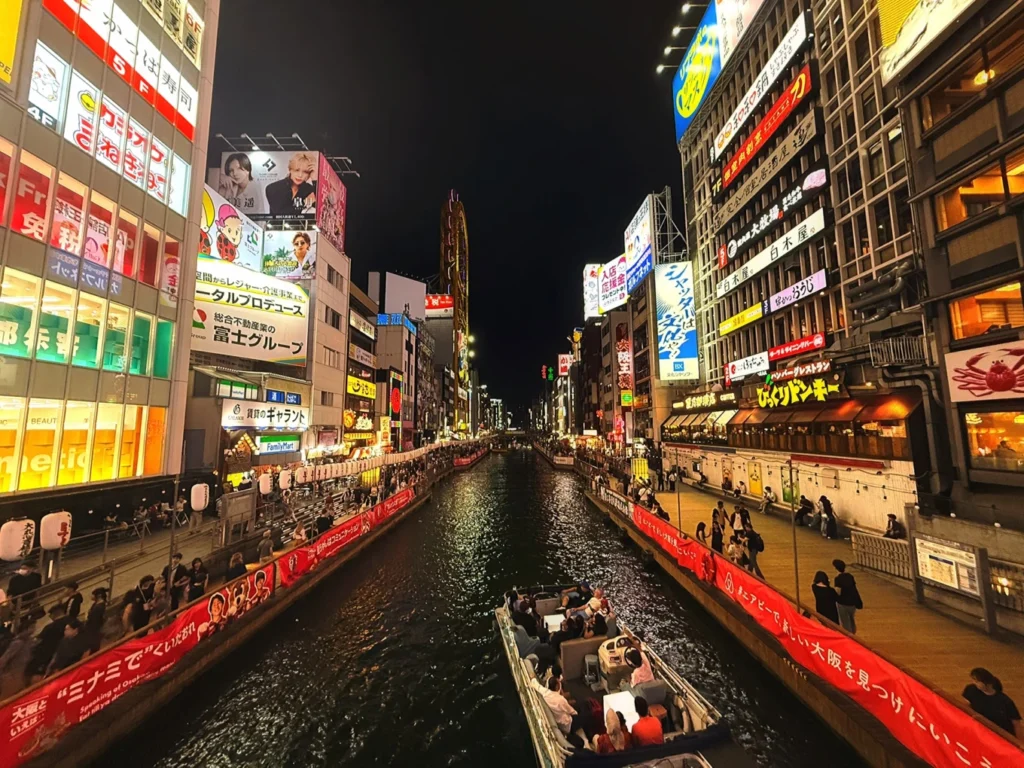
We stopped by Wanaka’s Sennichimae main shop for takoyaki. There are tons of takoyaki shops surrounding the Namba area, but Wanaka is a safe and quick option if you are exploring and need a quick bite.
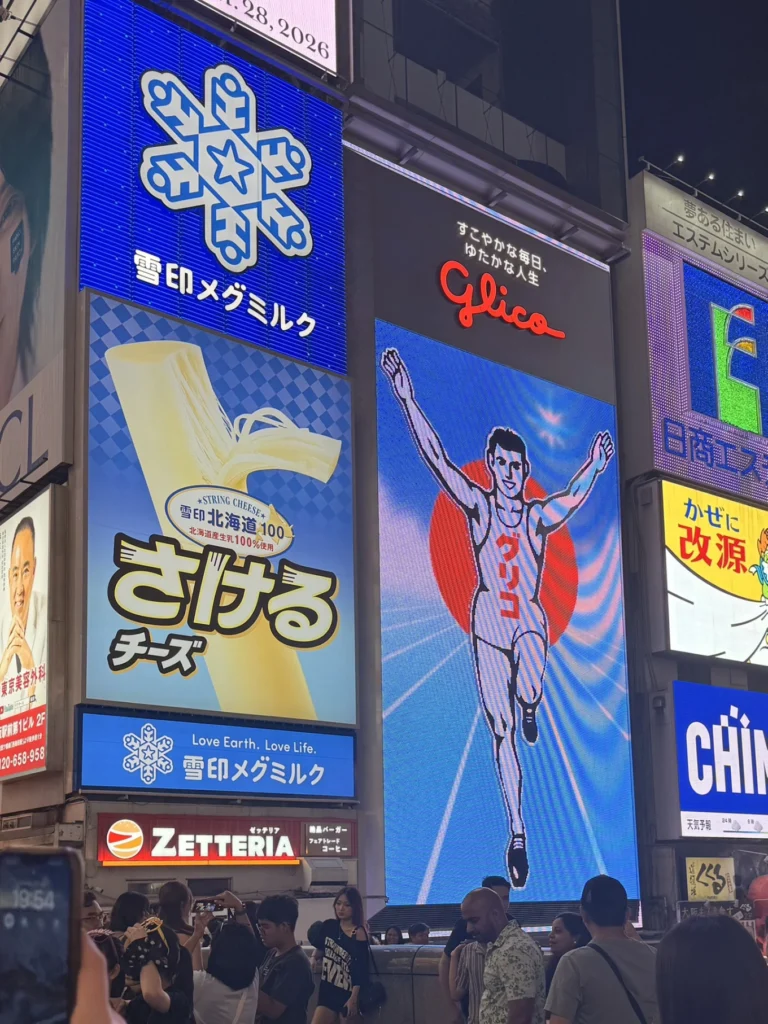
Be sure to see the Glico Running Man sign along side of the canal. The place can get overcrowded at night if you want an unobstructed shot.
Where we stayed: Swissôtel Nankai Osaka
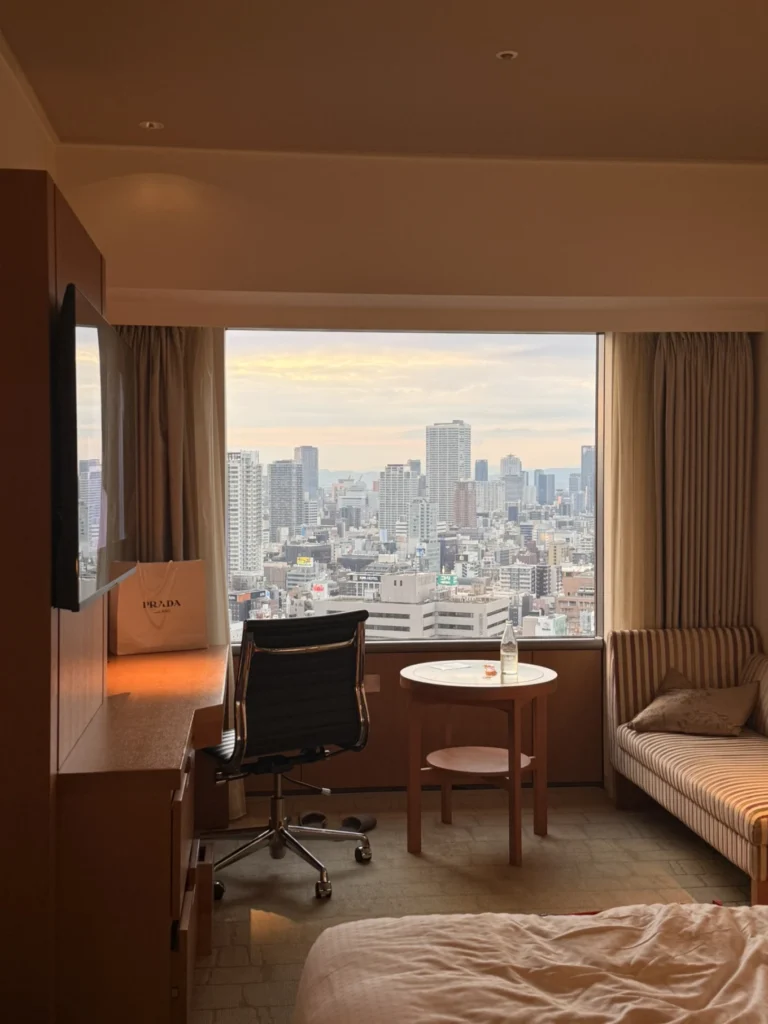
Our room was about S$330/night.
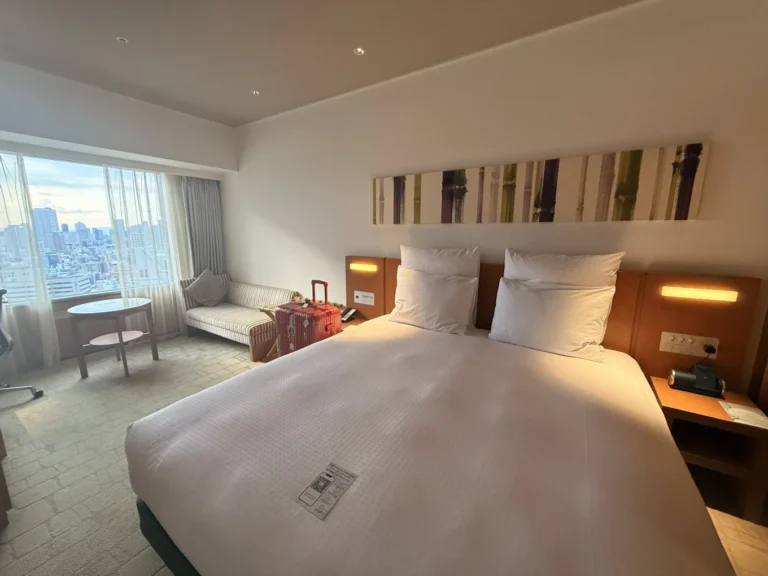
Swissôtel Nankai Osaka was pricier than Hotel Granvia, but also felt larger and more refined. Rooms are on higher floors with expansive views of Osaka for most guests.
Its location is also great if you plan to walk around Namba, Dotonbori, Shinsaibashi and Kuromon Market.
The only downside was that breakfast wasn’t as… substantial as we had hoped for at this hotel price.
Day 3: Namba Yasaka Shrine, Shinsaibashi and Kyoto
Before leaving Osaka, we spent the morning around Namba.
Visit Namba Yasaka Shrine
Our first shrine visit was Namba Yasaka. This shrine is famous for the gigantic lion- head stage.
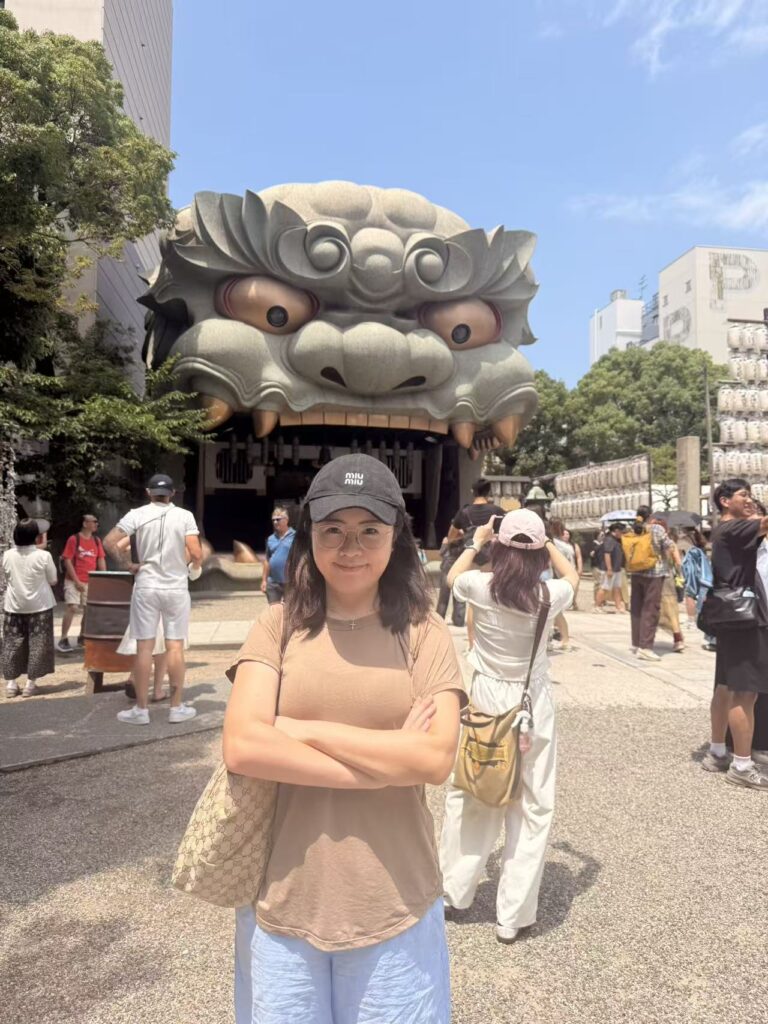
It stands about 12 metres tall. This prop is much larger than it looks in most pictures. The gaping mouth is said to consume evil spirits allowing visitors to depart with improved luck.
Namba Yasaka doesn’t take too much time to see. It’s convenient if you plan to visit before going shopping or checking out of your Namba hotel.
Shop around Shinsaibashi
From Namba we walked to Shinsaibashi for more shopping.
Umeda and Namba are the two areas I would recommend to most people visiting Osaka. Umeda has the department stores and vast, labyrinthine malls, while Namba just has more atmosphere, and its street shops, food options and nightlife are easier to reach. We noticed that many Japanese retail brands were significantly cheaper than back home in Singapore. We purchased a pair of Onitsuka Tiger sneakers made in Japan for about half the price we’d pay in Singapore, and only had to queue for about ten minutes.
Uniqlo also has selections that are exclusive to Japan, so it’s worth checking out there too.
Obviously prices/fluctuations will vary, so take our experience as anecdotal rather than gospel. The overall takeaway is simply that Osaka is fantastic for striking a balance between sightseeing and serious shopping.
Transfer from Osaka to Kyoto
After lunch, we picked up our bags and headed to Kyoto.
We booked our stay at Mitsui Garden Kyoto Hotel, right next to Kyoto Station. It made transit easy for us and gave us convenient access to trains, buses and attractions like restaurants and department stores.
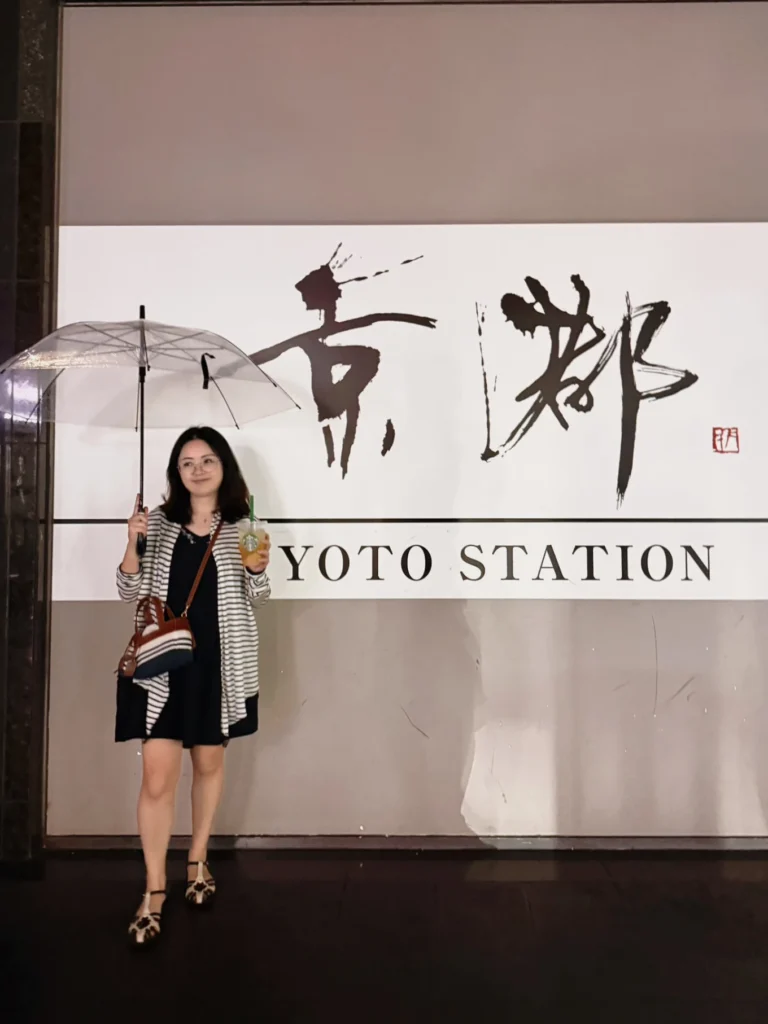
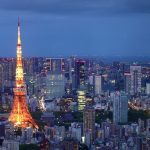
In the evening, we walked around the station area. We passed by Kyoto Tower lit up at night.
We had dinner at Koke-kokko, located on the 10th floor of Kyoto Isetan. This place serves yakitori made with charcoal grilled Japanese chicken.
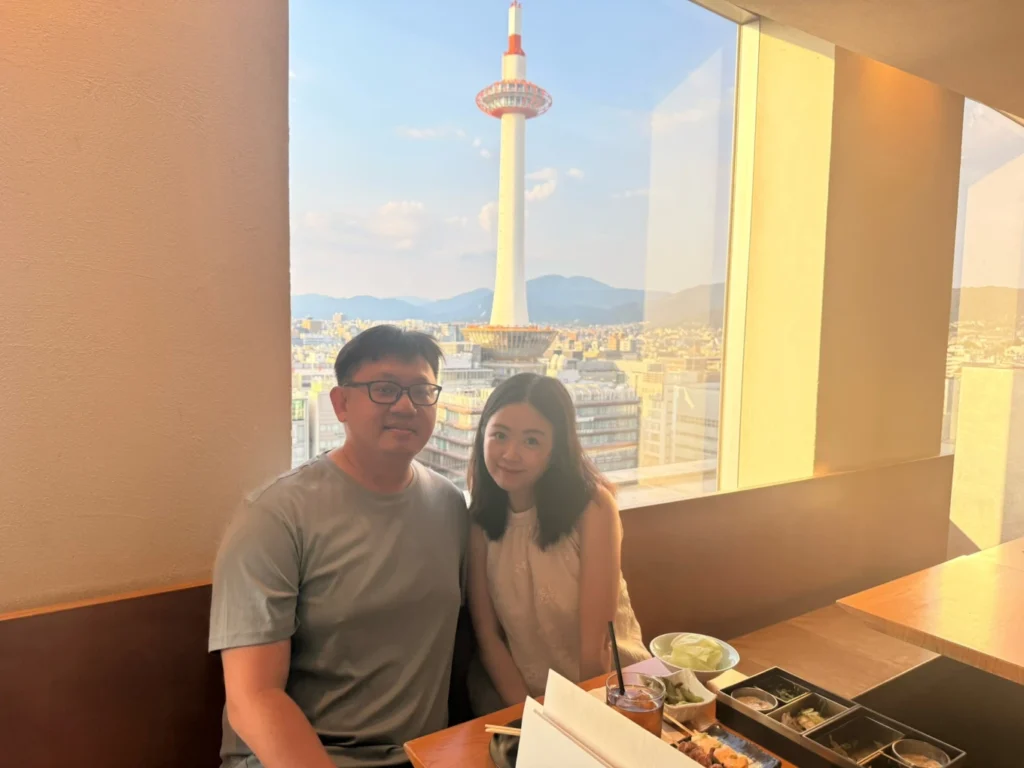
The view is the main selling point of this restaurant. A table by the window has Kyoto Tower right in front of your eyes. It was a nice view to dine by without having to venture too far from the station.
Dinner set us back about S$60 each. It was a tad pricey for yakitori but we rationalised that the location and night view warranted it.
Where we stayed: Mitsui Garden Hotel Kyoto Station
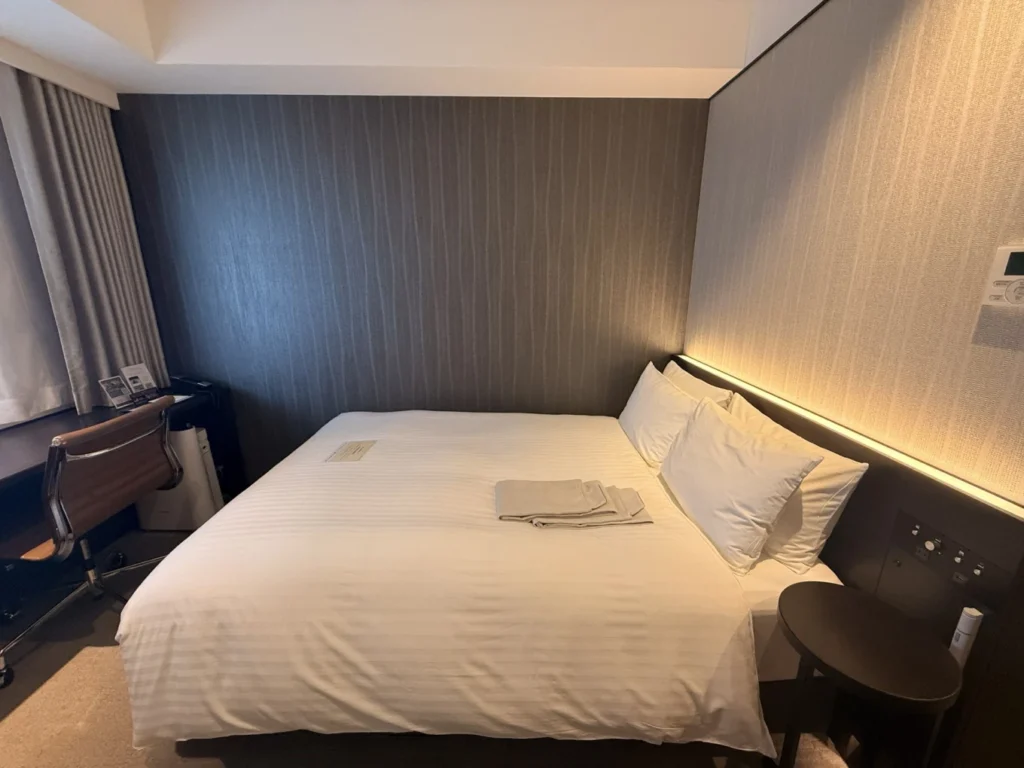
Our hotel for Kyoto was Mitsui Garden Hotel Kyoto Station and cost around S$140/night while we were there.
It is extremely near Kyoto Station’ Main building (the central side when you exit the station). However, double check that you book the right Mitsui Garden hotel as they have quite a few in Kyoto.
Rooms featured warm woods, patterned shoji screens and some small touches inspired by Kyoto. Our room was smaller than the ones we experienced at 22 Pieces but the price was a lot lesser too.
Location wise, for a multi-city Kansai trip like ours, this was super convenient.
Day 4: Eastern Kyoto, Kiyomizu-dera and Gion
This was our busiest sightseeing day in Kyoto, but most of the attractions were located within the eastern side of the city.
Begin at Chishaku-in
We began our hike at Chishaku-in, a lesser-known temple close to Sanjusangen-do and the Kyoto National Museum.
The hydrangea season was nearing an end, but we spotted patches of colour amongst the temple grounds. Unlike Kyoto’s most popular seasonal flower spots, Chishaku-in was quiet and not crowded at all.
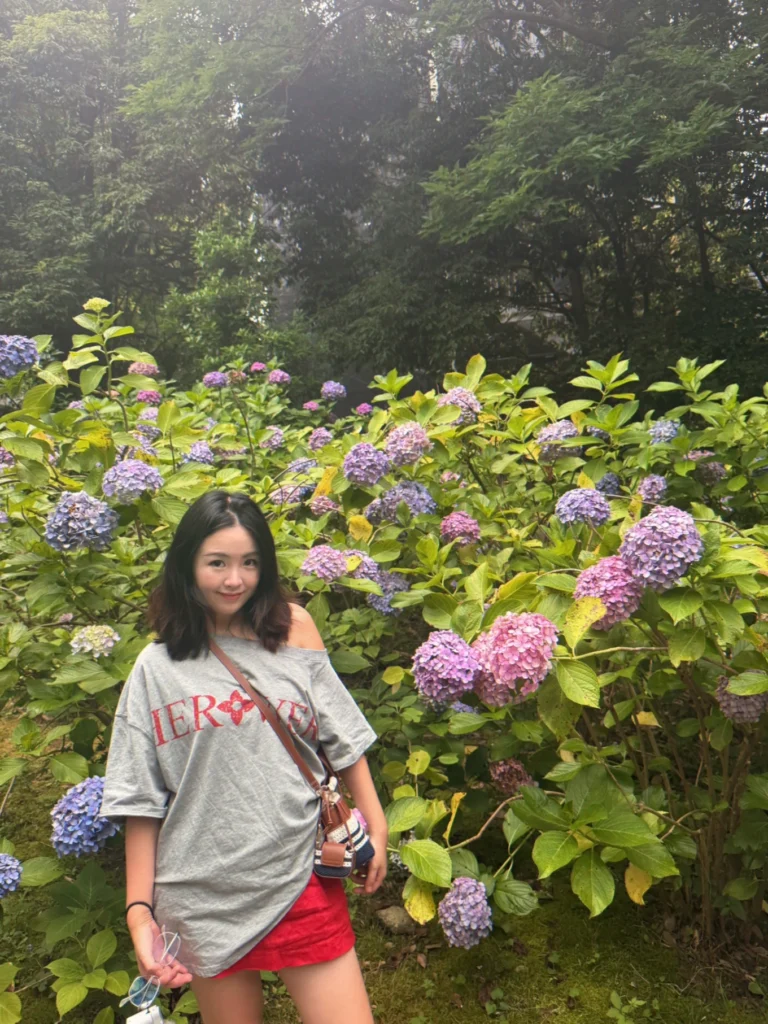
I recommend visiting Chishaku-in in the morning, if you want to include it in your itinerary. If you’re visiting Kyoto outside of hydrangea season, skip Chishaku-in and go to Kiyomizu-dera instead.
Visit Kiyomizu-dera
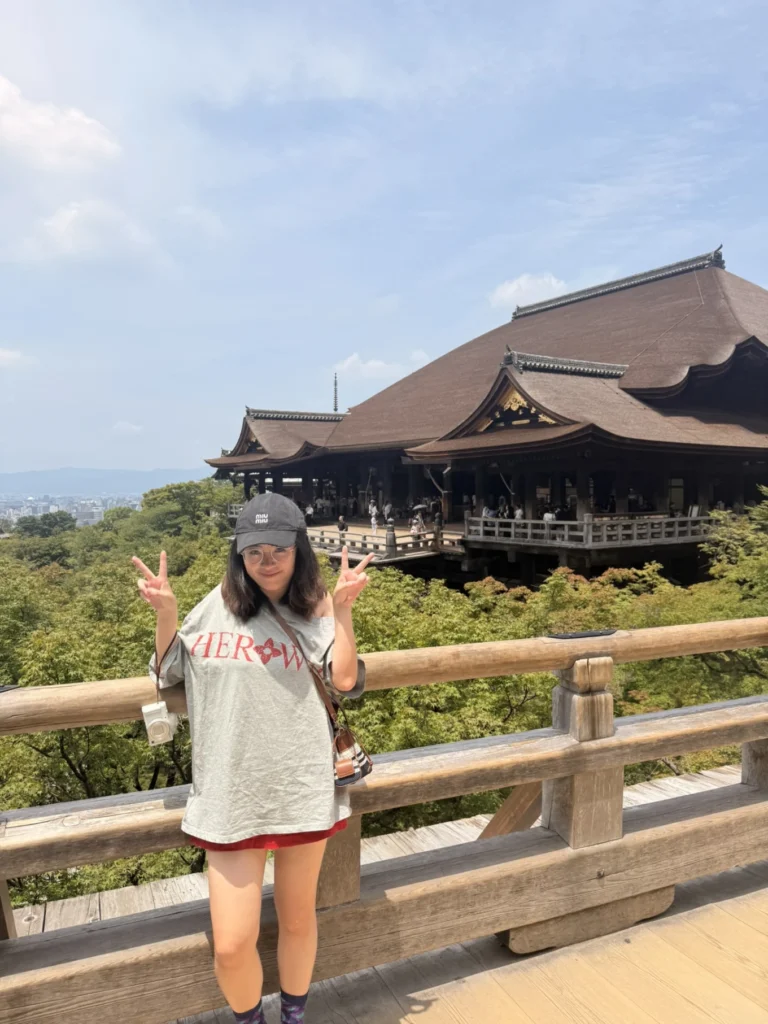
Kyomizu-dera is one of Kyoto’s most famous temples. It’s worth spending more than a few seconds snapping a picture at the front steps.
Last time I tried visiting with family we made it to the street surrounding the temple without summiting. Today I made it inside and walked out on the iconic wooden stage.
You get impressive views over the trees and Kyoto itself from up high. Even in the summer, when it can feel exhausting trying to dodge the heat and humidity, it’s quintessentially Kyoto.
Try to go early if you can. It only gets more crowded as tour groups and day-trippers get shuffled into place.
Walk through Sannenzaka and Ninenzaka
Descending from Kiyomizu-dera we took our time down through Sannenzaka and Ninenzaka.
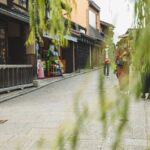
These zig-zagging stone streets are lined with traditional wooden buildings. These days they house cafes, craft shops, souvenir stores and restaurants.
Kyoto does have a lot of commercial tourism traps but this is one of its most beautiful places to slowly explore on foot. The streets are kept very clean and the subtle wooden storefronts provide a cohesive feeling that is absent from a typical shopping area.
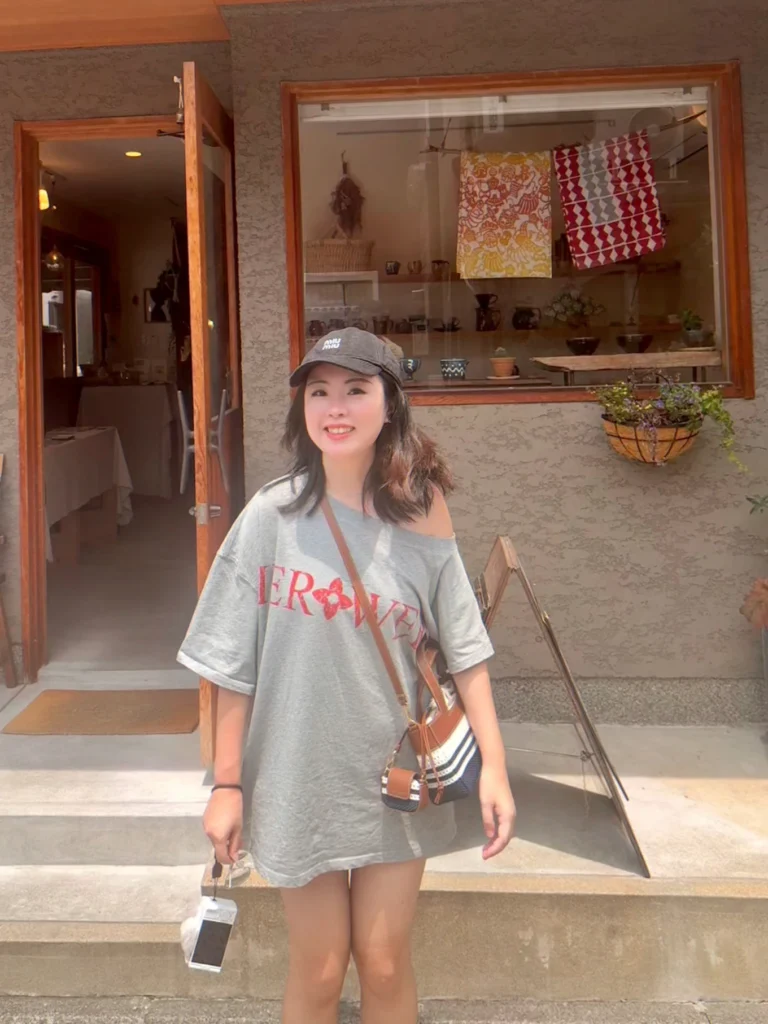
Instead of barreling through try to take the time to walk into some of the small shops. We had been unable to fully explore this area when we had our daughter with us so we enjoyed ambling through at a leisurely pace.
Take a coffee break
Kyoto has a great speciality coffee scene.
We visited Geshary Coffee which specialises in high-end Geisha coffee beans. Drinks and one dessert came to nearly S$60 SGD, making this the most expensive coffee stop we had.
Part of what you pay for is the atmosphere. Guests can sit in one of many intricately designed rooms that open to a courtyard, and there weren’t many people here when we visited so we had the cafe mostly to ourselves.
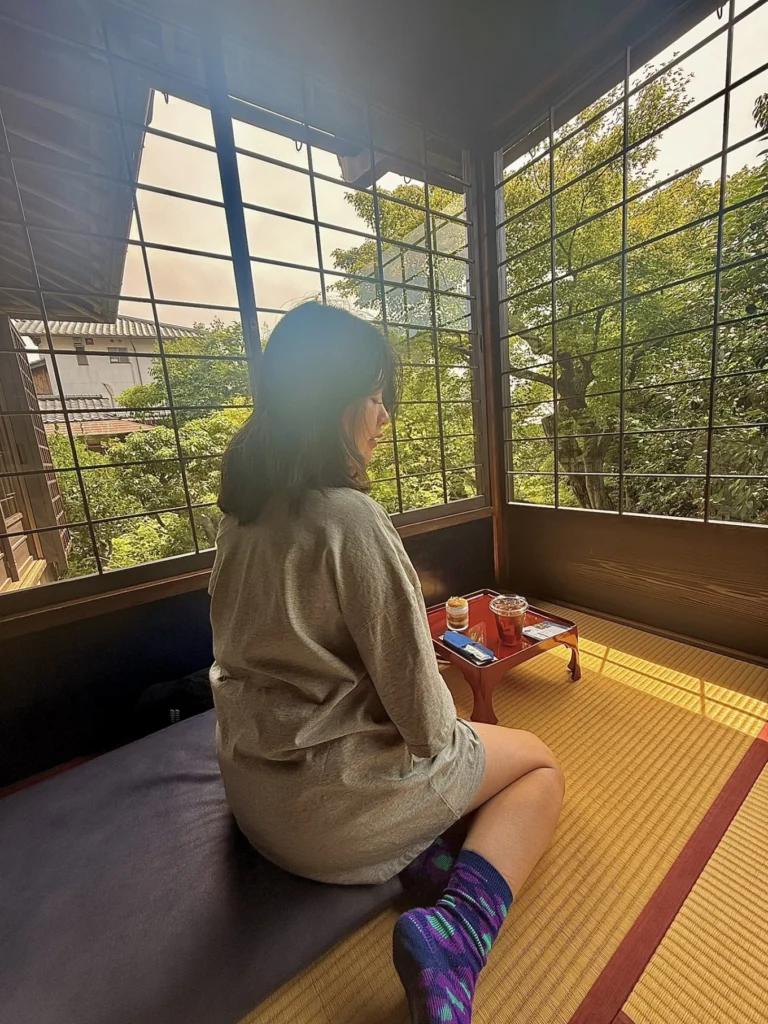
The coffee itself had a distinctly fruity and acidic taste. Folks who don’t like light, acidic coffee will not enjoy this as much.
Explore Gion and Kennin-ji
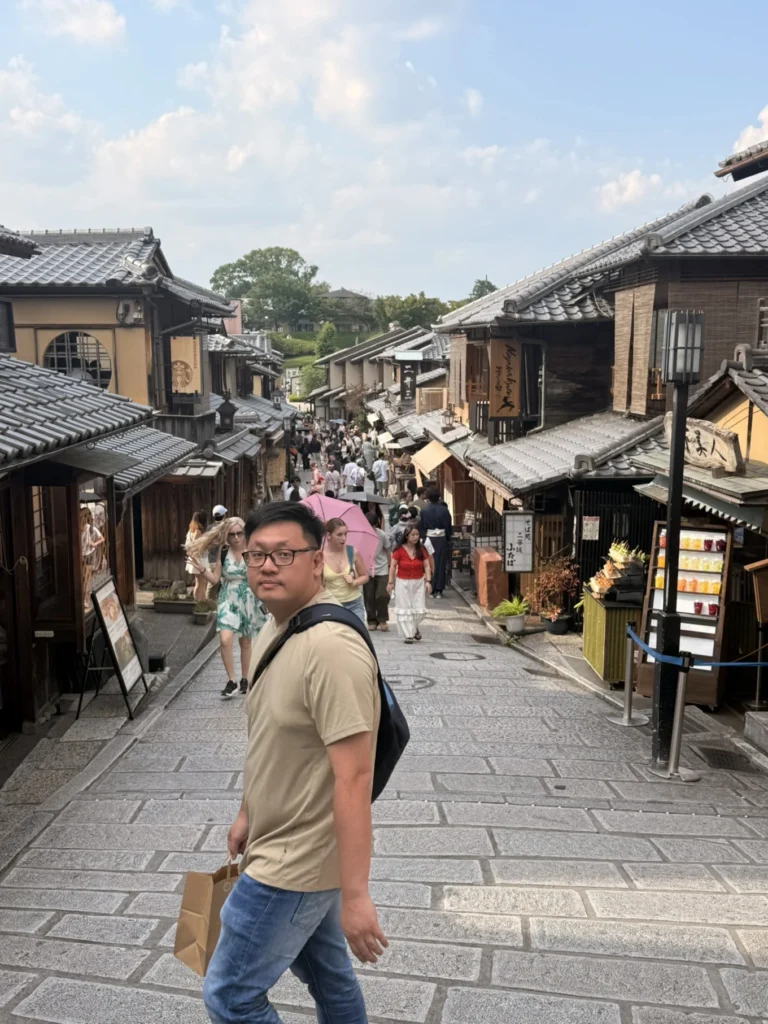
After seeing what remained of streets around Higashiyama, we continued on our way to Gion.
Hanamikoji is perhaps Gion’’re covered by noren. Many of them only have a small menu and a plaque.
This lack of visual fanfare is part of what makes Gion so nice. It’ visiting stone off your list. Take your time and enjoy the lanterns, wooden buildings and tiny side streets.
At the end of Hanamikoji, we visited Kennin-ji, one of Kyoto’s oldest Zen temples.
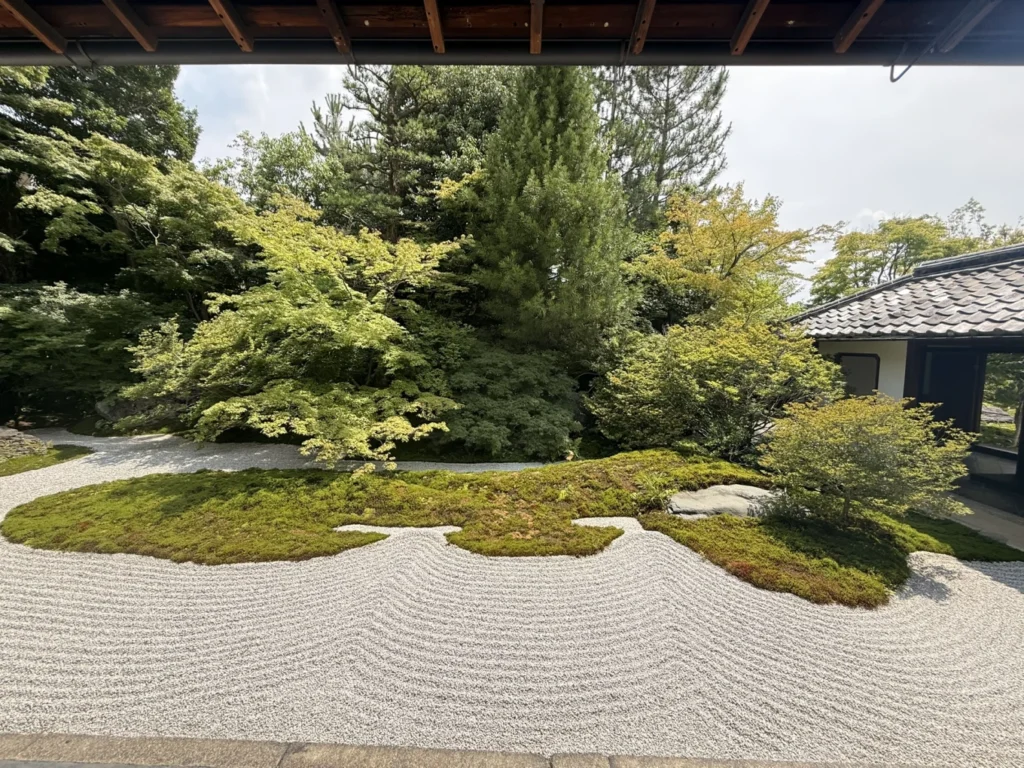
Its dry gardens and quiet interior offered a welcome break from the busier streets outside. Nearby, we found a garden space where visitors could order green tea and rest on tatami mats.
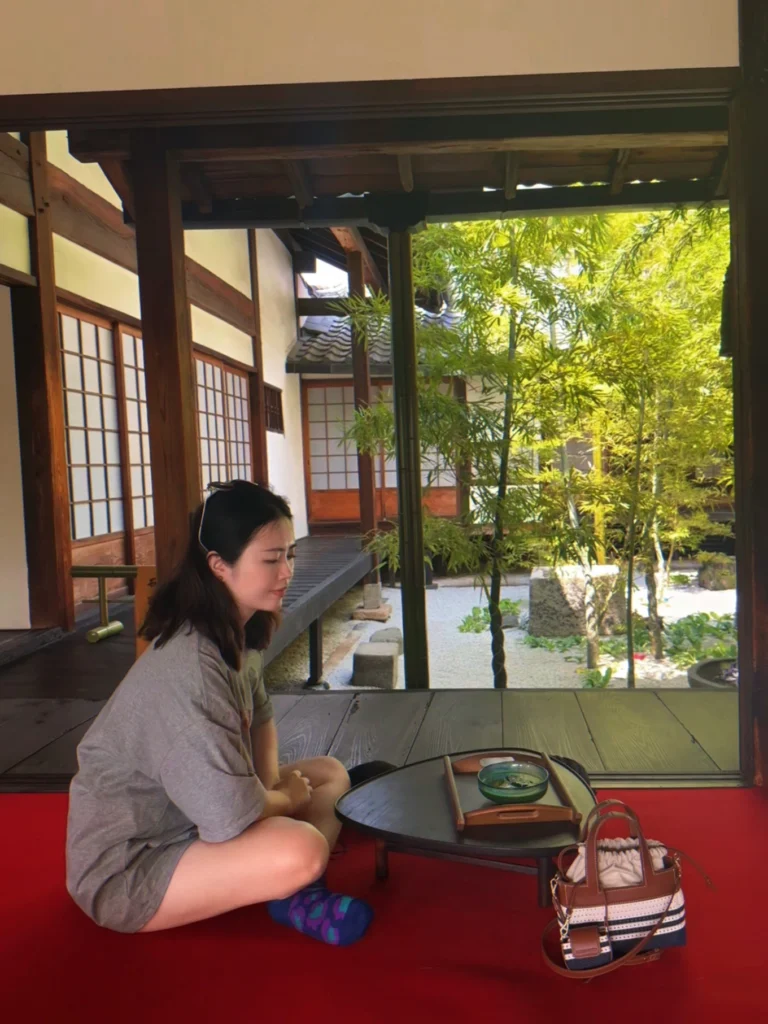
That simple experience—sitting beside a green garden, drinking tea and listening to the wind—was one of the clearest reminders of why we enjoy Kyoto.
Dinner at Yasaka, Park Hyatt Kyoto
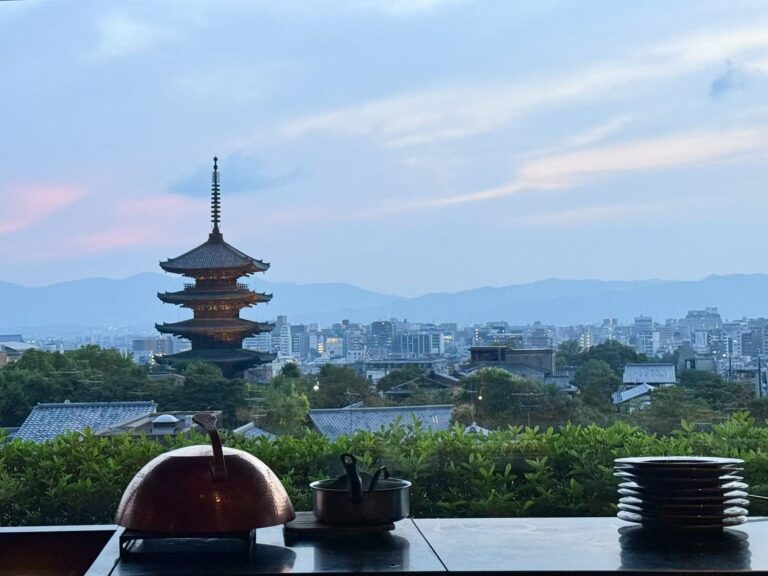
We made a reservation for the 5:00 p.m. seating at Yasaka, the teppanyaki restaurant at Park Hyatt Kyoto.
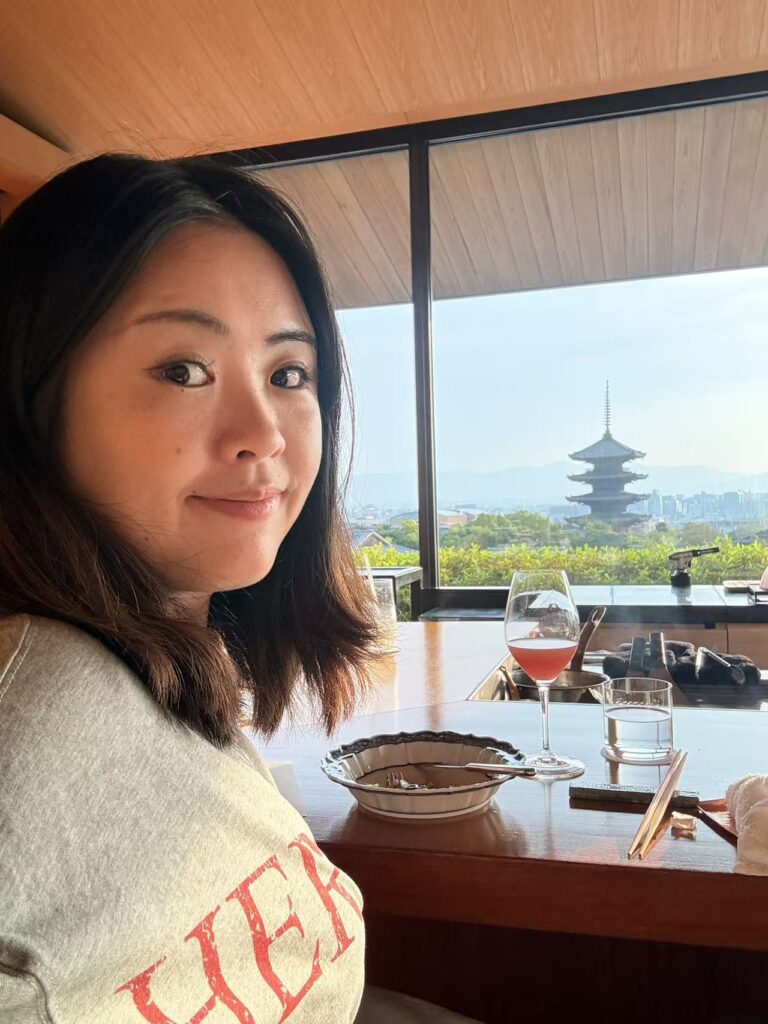
This was by far the most expensive meal of the trip (clocking in at over S$360 SGD per person before drinks), but also one of my favourites. Yasaka overlooks Yasaka Pagoda and the rooftops of Higashiyama. By starting our meal at 5: 00 p.m. we were able to watch as the sun dipped down below the rooftops, transforming the view from bright daylight to a beautiful sunset and finally to a glittering evening skyline.
The food was traditional teppanyaki, prepared with elevated Japanese sauces, seasonal Kyoto vegetables and beautifully-plated courses. Few guests are served at each seating so the dinner progressed at a calm and relaxed pace.
Bookings are required. Plan to spend around 2.5 hours here rather than seeing it as an early dinner.
We walked through Sannenzaka again afterwards. By this point many shops had closed and the daytime tourists had long cleared out, leaving the streets feeling entirely different.
Day 5: Arashiyama and Kinkaku-ji
Arashiyama requires a full day when you want to explore beyond the bamboo grove.
We happened to visit on a Wednesday and found more temples, shops and attractions closed than expected. The advantage was that the streets were relatively quiet, but I would check individual opening days carefully before finalising this part of the itinerary.
Arashiyama Bamboo Grove
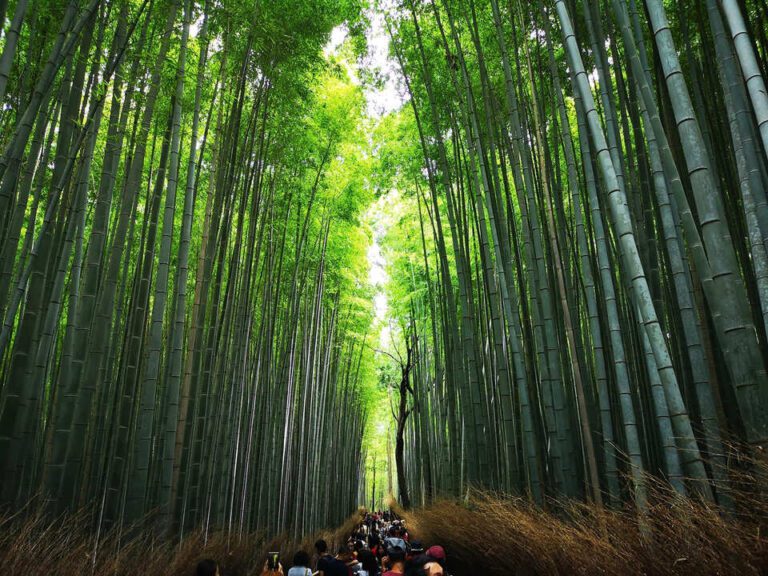
We started at the Bamboo Forest near the center.
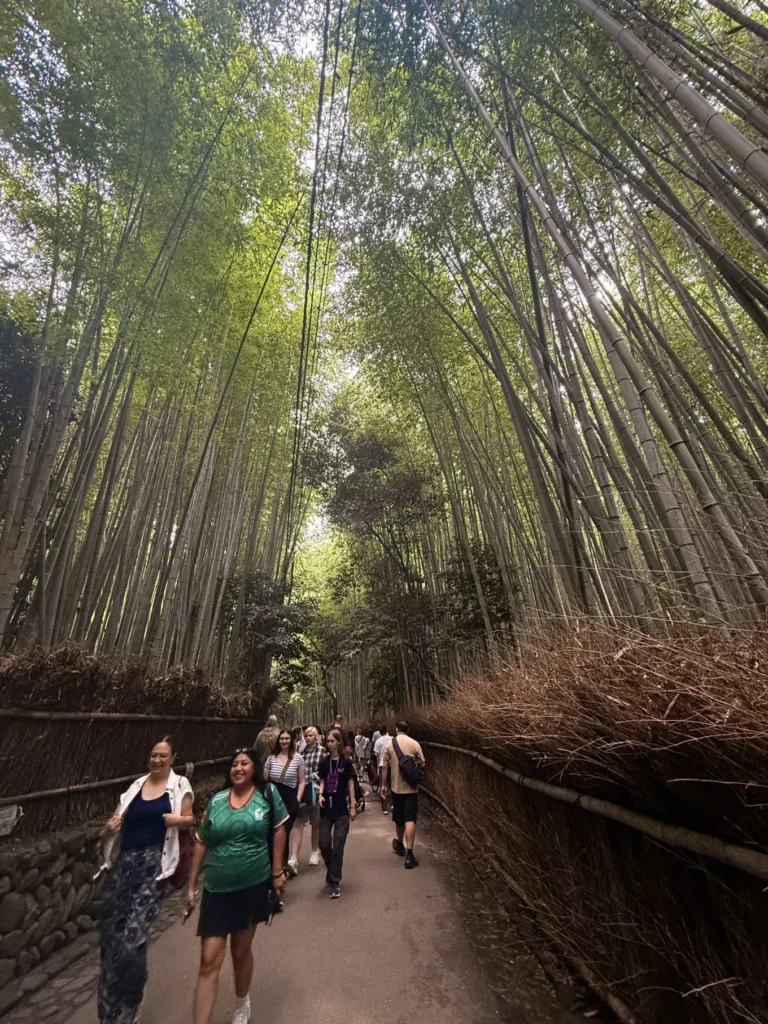
It’s probably Kyoto’s most photographed spot. But if you come from areas of Asia where bamboo is prevalent it might not seem so special as to many Western visitors.
Worthwhile area to wander around too, if you venture past the crowds.
Gio-ji and Saga-Toriimoto
We continued north into Arashiyama and made our way to Gio-ji, a small temple famous for its moss garden.
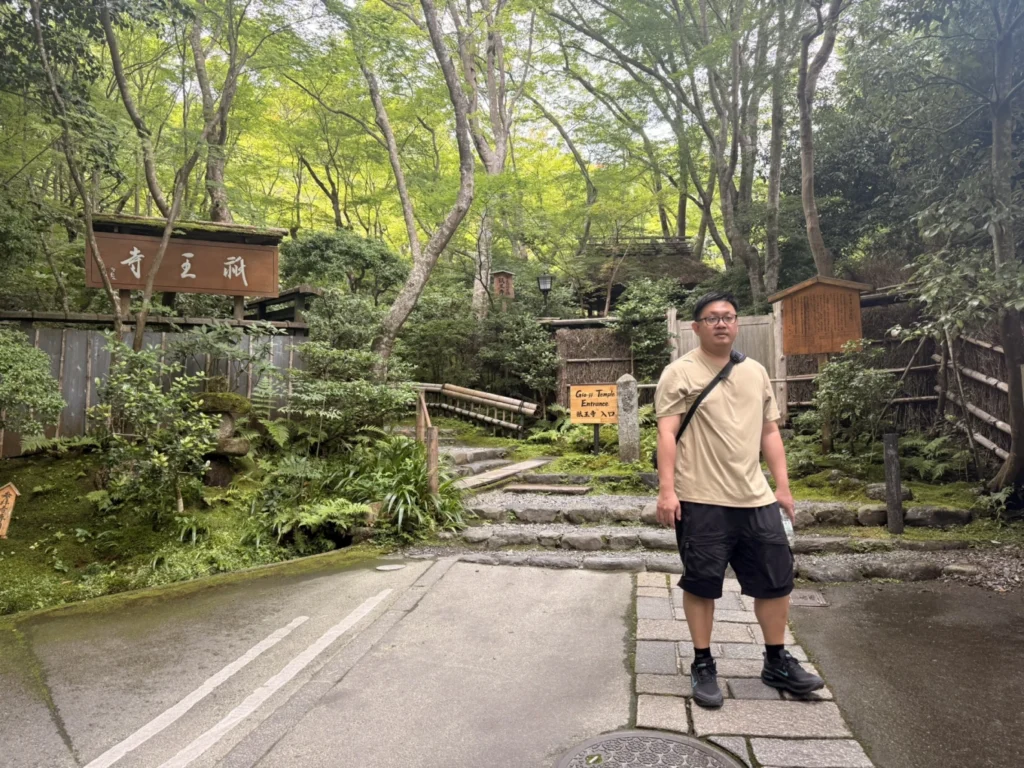
The vegetation was gorgeous and felt surreal after the rainfall. The grounds were much more compact than we anticipated so some tourists may find the entrance fee hard to justify if they aren’t a huge fan of moss gardens and/or photography.
Head further into the district and you will find Saga- Torimoto Preserved Street.
This area is vastly different from central Arashiyama. You will find traditional buildings, old farm-style houses, and a massive vermilion torii.
This was one of my favorite peaceful spots of our day in Arashiyama.
Lunch in Arashiyama
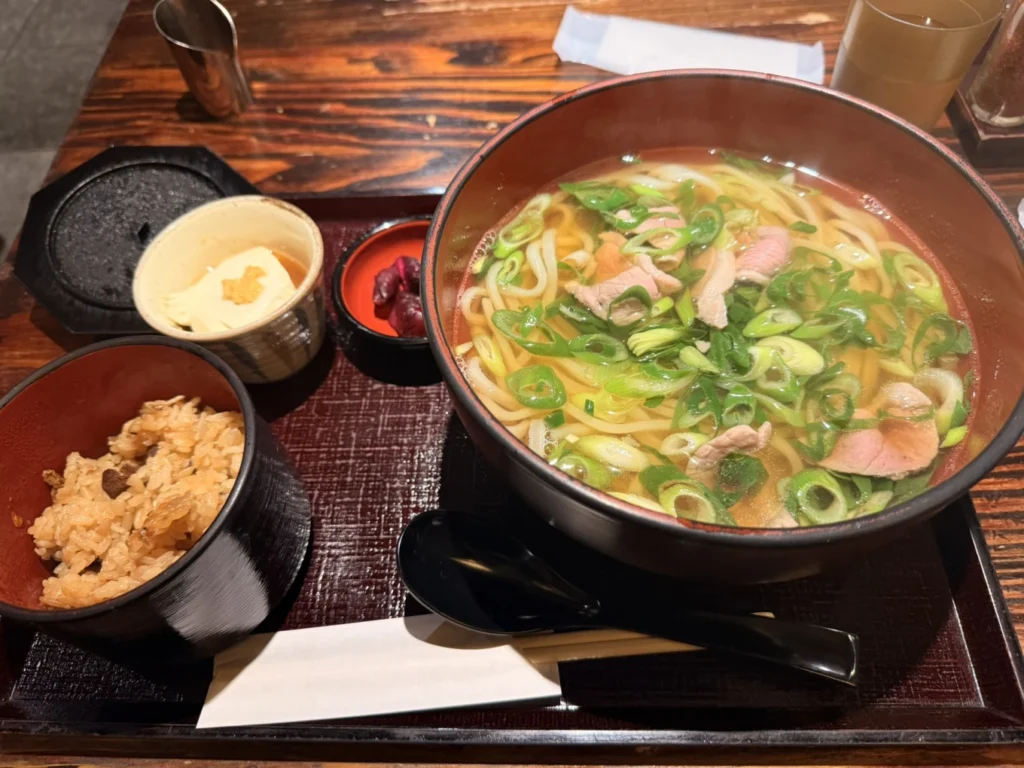
We picked a humble roadside udon shop instead of one of the renowned reservation-only places.
It cost slightly more than S$10 SGD each person and was one of the best value lunches we had on our trip. There are many cafes that overcharge you in Arashiyama, but you don’t have to break the bank to enjoy a fulfilling meal here.
Visit Yusai-tei
One of the things we wanted to revisit at Arashiyama was Yusai-tei.
It employs framed windows, mirrors, water, and views of the seasonal landscape to produce incredibly picturesque scenes. There aren’t many exhibit rooms inside but each room takes advantage of the views outside.
Our tickets were ¥2,000 each and reservations were needed. Children under age 12 were not permitted entry at the time of our visit, so parents should verify the age restrictions before visiting.
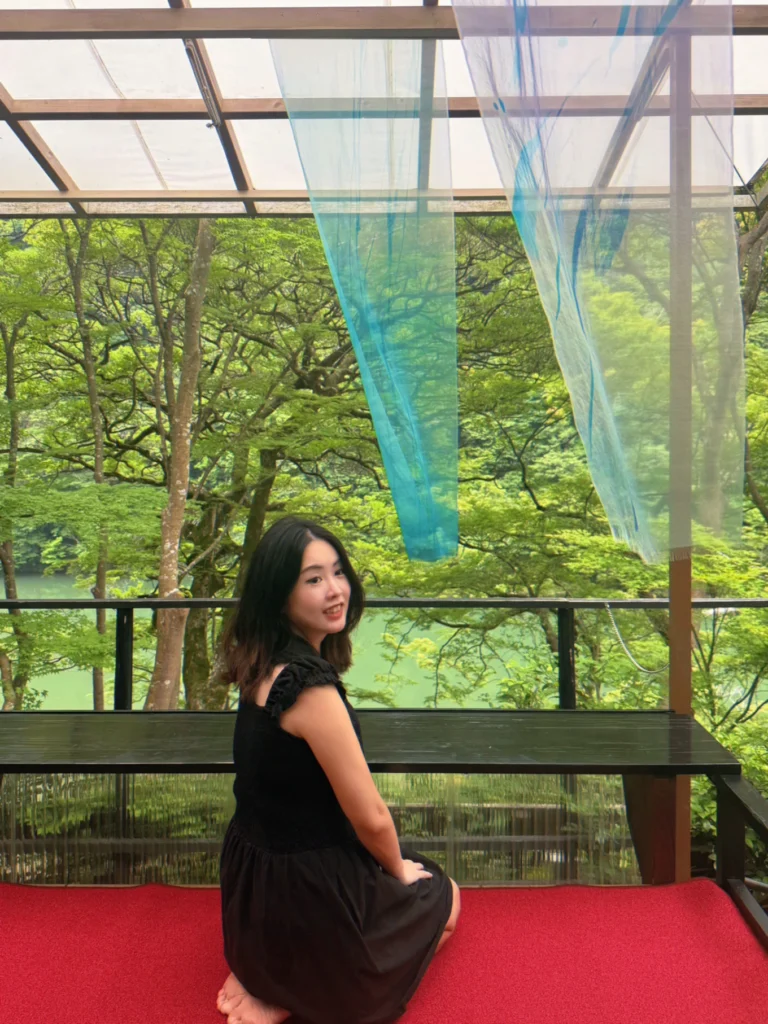
Although small, the fusion of traditional textile techniques and Arashiyama’s trees made for a unique experience. Rainy weather didn’t deter us, it actually added a softer mood to the scenery.
Togetsukyo Bridge
Before departing Arashiyama we strolled along the river and crossed the Togetsukyo Bridge.
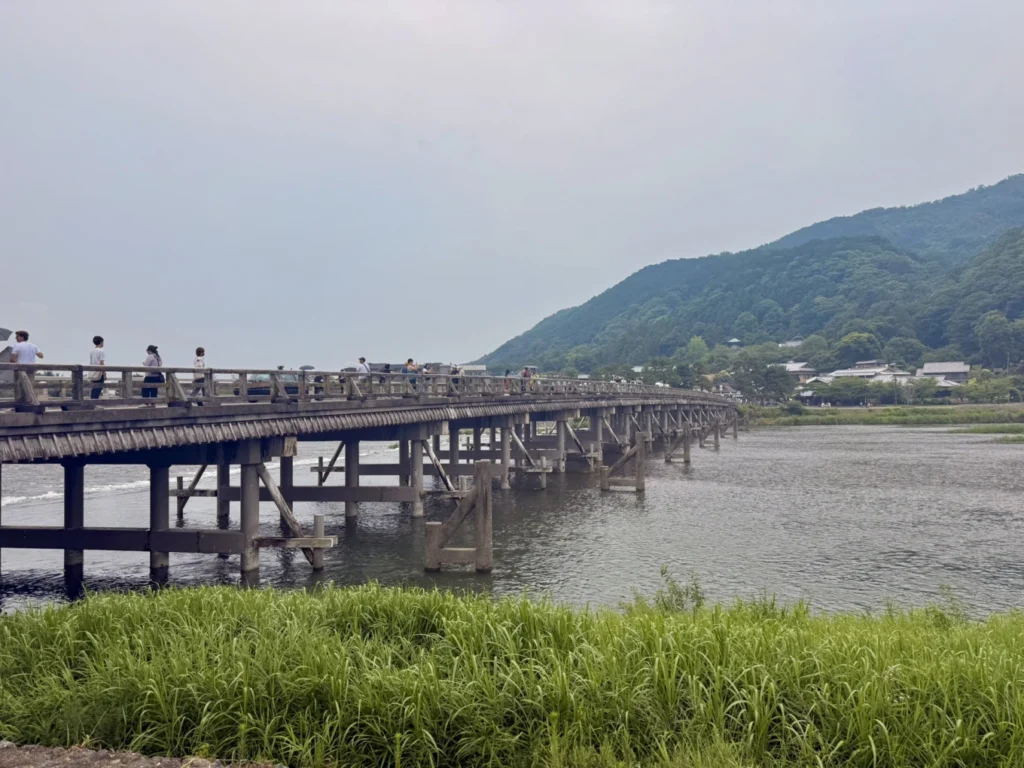
Walking along the riverfront was nice because it’s easy to relax after stopping at so many temples. Even with rain, the lush hills and water were a cool reprieve from central Kyoto.
Finish at Kinkaku-ji
On the way back, we stopped at Kinkaku-ji, also known as the Golden Pavilion.
Since the temple grounds are small you don’t need an entire afternoon for Kinkaku-ji. The rain made everything look darker and moodier. The pavilion is gold while everything else was soaked and grey.
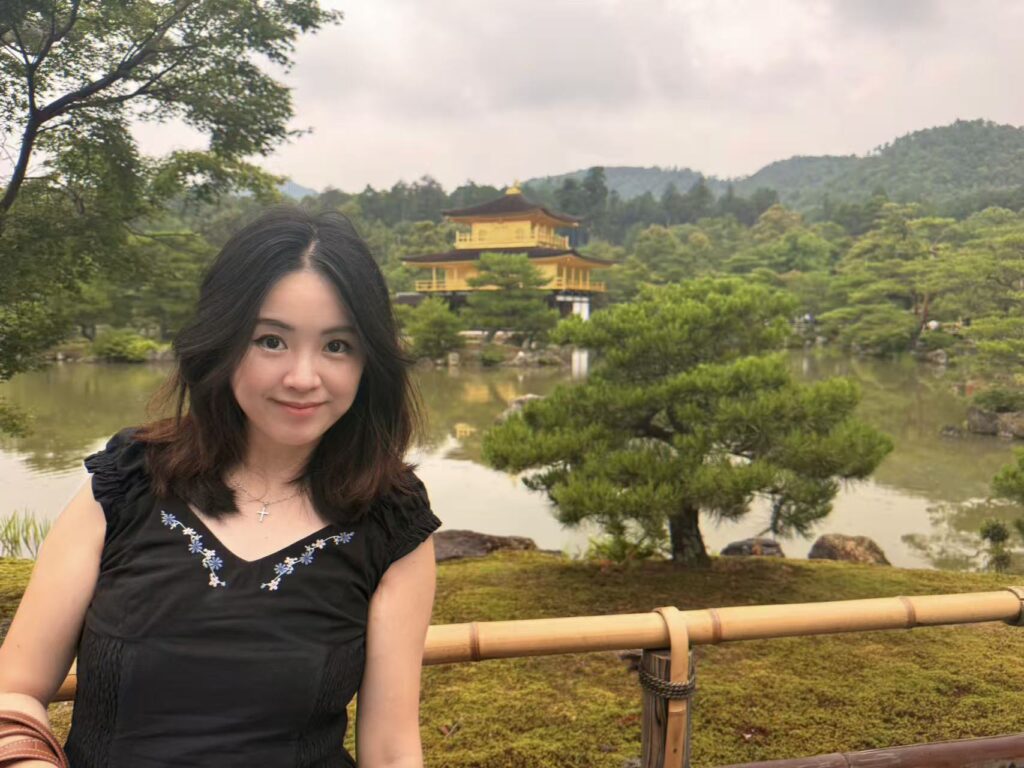
Pairing Kinkaku-ji with Arashiyama works geographically, but makes for a long day. For a more relaxed sightseeing schedule, you could drop either Yusai-tei or Gio-ji.
Day 6: Return to Osaka and Walk around Nakazakicho
After three nights in Kyoto, we returned to Osaka for our final night.
We checked into Hotel Vischio Osaka, left our luggage and walked to Nakazakicho.
Nakazakicho city walk
Nakazakicho is a ten to fifteen minute walk from central Umeda.
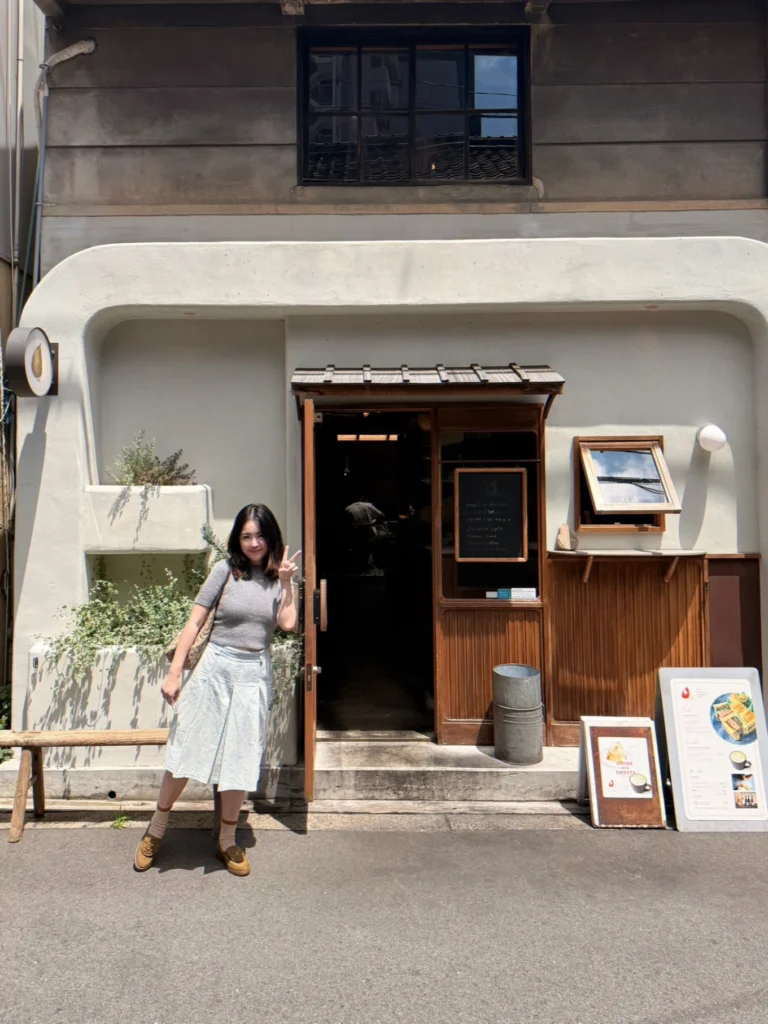
As the area was not heavily affected by damage during wartime Osaka, many old wooden structures and cramped streets were able to remain. Most have been repurposed into cafes, vintage clothing shops, studios and quaint independent stores.
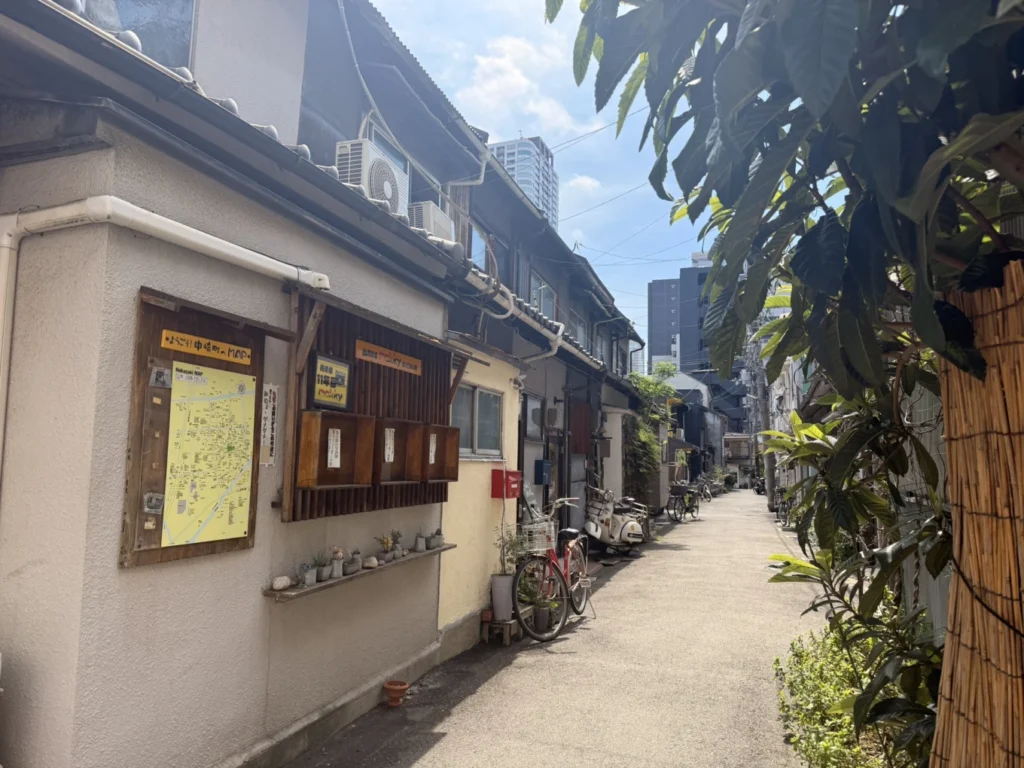
It’s worlds away from the department stores surrounding Osaka Station, even though it’s literally walking distance.
We stopped by neel coffee, a cafe somewhat known throughout the neighborhood, and spent the rest of our afternoon wandering around with no set destination. Nakazakicho isn’t known for big landmarks. It’s known for stumbling upon small courtyards, strange shops and old housing details.
Afterwards, we returned to Umeda for a final round of shopping and dinner.
Where we stayed: Hotel Vischio Osaka
We paid about S$142/night.
Hotel Vischio Osaka is further away from the main hub compared to Hotel Granvia. It takes about eight to ten minutes walk until you reach the shopping area of Osaka Station. You also have to cross a few roads along the way.
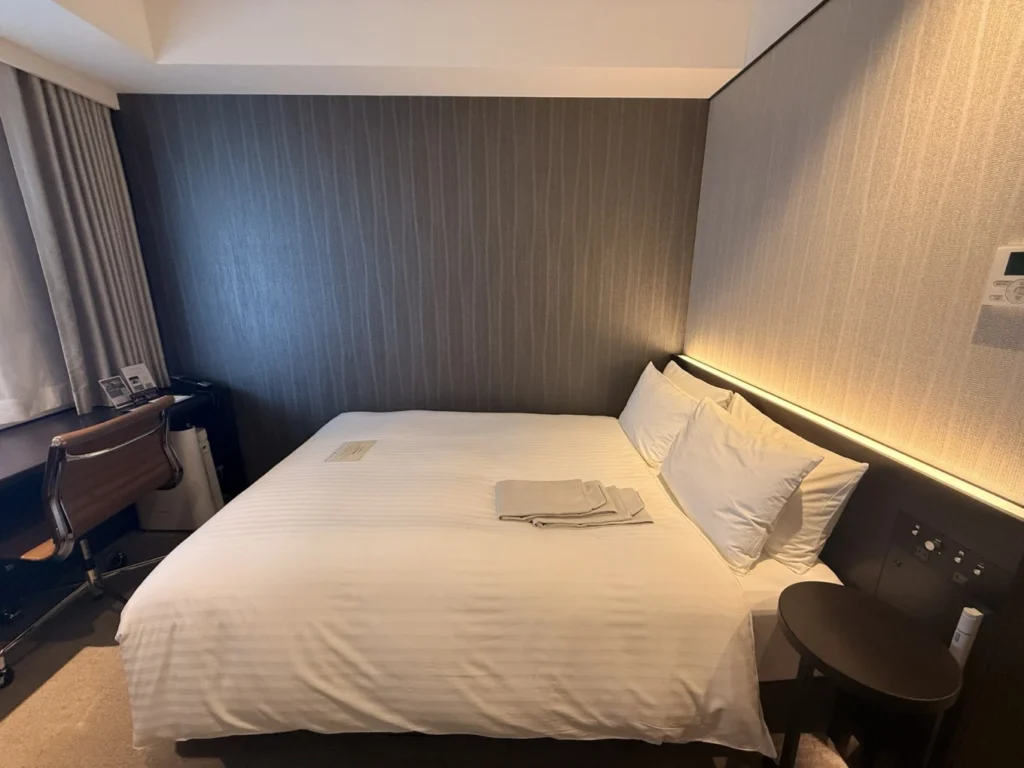
But it felt newer and overall provided better value. Our room had newer charging outlets such as USB and the decor/look felt newer compared to Hotel Granvia.
It makes sense for those who want to stay near Umeda and want to avoid prices at directly connected stations.
Day 7: Depart from Kansai International Airport
Our last day involved taking the train from Osaka to Kansai International Airport for our flight back home.
Allow plenty of time to get to the airport. We learned this one the hard way on our arrival day when rail service was extremely limited even though planes were still flying due to inclement weather.
If you will be doing a lot of shopping, allot even more time since you will need to pack everything, check bag weights, etc.
Where to Stay During This Osaka, Kyoto and Kobe Itinerary
| Hotel | Best for | Our honest impression |
|---|---|---|
| Hotel Granvia Osaka | Umeda shopping and station convenience | Unbeatable location, but compact rooms and dated charging points |
| Swissôtel Nankai Osaka | Namba, Dotonbori and airport access | Spacious and convenient, although considerably more expensive |
| Mitsui Garden Hotel Kyoto Station | Easy Kyoto transport | Stylish, reliable and around three minutes from Kyoto Station |
| Hotel Vischio Osaka | Better-value Umeda stay | Newer rooms and good value, but an eight-to-ten-minute walk from the station |
Practical Tips for Planning the Same Kansai Route
You might not need a rail pass
We traveled exclusively by public transit and did not buy a regional pass. We spent roughly about S$100 SGD total on transport for 2 pax.
Buying individual tickets made sense for our itinerary since we didn’t take many long journeys, but you might still want a pass depending on how you travel.
Plan for flexibility in summer
June was hot, humid, and rainy. We ended up altering our original itinerary due to weather from a typhoon.
Don’t construct an itinerary with one missed train throwing off a bunch of expensive reservations. Planning a rainy-day Osaka shopping excursion or relaxed Kyoto cafe day can salvage a trip if the weather doesn’t cooperate.
Book special restaurants well in advance
Many small restaurants and luxury dining rooms in Japan have limited capacity. We made a reservation for Yasaka at Park Hyatt Kyoto ahead of time and requested the 5: 00 p. m. seating to see the changing vista.
Be aware of under-age policies before booking. Some small restaurants and cultural sites do not allow young children.
Minimize hotel transfers
Booking hotels in Umeda, Namba, and Kyoto allowed us to check out three great properties. However, we spent a lot of time packing and unpacking our bags because of our mid-trip switch from Namba to Kyoto and our return to Osaka.
You could streamline this itinerary by staying in Umeda for nights one and two, taking the train to Dotonbori for the evening, and then switching hotels for your Kyoto days. The only real benefit of staying in Namba is that you can walk around Dotonbori late at night.
Look out for weekly closures
Several places were closed on the Wednesday that we visited Arashiyama. It’s always good to double-check the open day of a temple, cafe, scenic train, or exhibition if it’s important to you.
Frequently Asked Questions
Is Seven Days Enough for Osaka, Kyoto and Kobe?
Yes, seven days is enough for your first trip if you’d like to hit Osaka, Kyoto and Kobe. This itinerary allows for two full days in Kyoto and a side trip to Kobe. While you won’t be able to explore every corner of these cities, you’ll be introduced to the variety of foods, shops, temples and neighbourhoods. Consider this your sampler itinerary.
How Many Nights Should I Spend in Osaka and Kyoto?
For our routes, we had three nights in Kyoto and three nights in Osaka and it worked out perfectly. If you’re particularly interested in seeing temples and traditional streets, you may consider adding an extra night in Kyoto by cutting your time in Osaka short.
Is Kobe Worth Visiting from Osaka?
If your travel plans include visiting Meriken Park, eating Kobe beef or seeing the shops around Former Foreign Settlement, Kobe is a great option for a day trip from Osaka. However, if you’re short on time, your day may be better spent in Kyoto or elsewhere in Osaka.
We visited the Sanda outlets on our Kobe day, which made our excursion more worthwhile as we were shopping during a big part of the day.
Should I Stay in Umeda or Namba?
Umeda offers great access to Osaka Station, department stores and trains to Kyoto/Kobe. Stay in Namba if you want to be within walking distance of Katsura River, Dotonbori and Shinsaibashi. Swissôtel Nankai Osaka is extremely convenient as it’s located on top of Nankai Namba Station.
Can My Family Follow This Itinerary?
Most of this itinerary is great for kids. Highlights that are recommended for families with children include Kiyomizu-dera, Dotonbori, Kobe, and the main area of Arashiyama.
However, Yusai-tei doesn’t allow children under the age of 12 (as of July 2018) and fine-dining establishments may have their own age restrictions. Swap these locations for child-friendly temples, parks, and casual restaurants.
Final Thoughts on Our 7-Day Kansai Itinerary
When we mapped out our trip to Japan this wasn’t the itinerary we came up with.
The inevitable typhoon resulted in cancelled trains to Kii- Katsuura and extra time in Osaka. In hindsight though, those changes are what took the rush out of our itinerary. We had time to shop at our own pace, wander around Dotonbori at night and indulge in some dinners that would have been considered a luxury on our sightseeing packed schedule.
Kyoto gave us the calmness of the trip’s other half. While Kiyomizu-dera and the Golden Pavilion were gorgeous, our favourite stops were more low-key: relaxing next to a jade garden in Kennin- ji, strolling down Sannenzaka after dinner and watching sheets of rain pour through Arashiyama.
Any travellers hoping to use this as a guide for a food, shopping, and atmospheric neighbourhood-focused seven day itinerary through Osaka, Kyoto and Kobe should keep those elements in mind. Leave room for flexibility, book your must-have meals and allow for some happy accidents.
You never know, the itinerary you miss may end up being your favourite trip of all.
7-Day Osaka, Kyoto and Kobe Itinerary: Food, Shopping and Summer Sights