

Japan can easily be one of those destinations you always have on your bucket list. Bright lights in Tokyo. Ancient temples in Kyoto. Earthquake-ready skyscrapers. Sushi masters at work. Japan has it all.
But after spending many months planning and traveling around Japan, I have discovered a secret. Japan is only expensive when you travel naïvely.
Knowing how things work will allow you to slash your expenses massively.
In this post, I breakdown exactly how to travel Japan on a budget.
These aren’t lazy travel hacks that you will find slapped together by some guy on YouTube. These are 10 actionable hacks I actually implemented while traveling around Japan.
By following these tips, you will learn how to cut unnecessary travel costs so you can spend your money where it matters.
- 1. Time Your Flights and Be Flexible With Dates
- 2. Get an IC Card Instead of Paying for Individual Tickets
- 3. Only Buy a Japan Rail Pass if It Makes Sense
- 4. Stay in Business Hotels or Budget Chains
- 5. Eat Like the Locals, Not a Tourist
- 6. Use Attractions That Are Free
- 7. Travel Light and Avoid Extra Fees
- 8. Invest in Day Passes and Regional Travel Discounts
- 9. Shop Tax-Free and Learn the Ins and Outs
- 10. Visit During the Off Season
- Japan Travel Hacks: Final Words
1. Time Your Flights and Be Flexible With Dates

Flights are most likely your largest expense before you even leave your home country. Booking at the right time can save you hundreds.
Flights to Japan are cheapest when you book around 2-4 months in advance. Prices also increase pretty significantly when traveling during peak season. This includes cherry blossom season (March-mid April) and autumn colors (November).
Some other tricks:
- Fly mid-week vs weekends
- Avoid Japanese national holidays
- Fly into a less popular airport (Osaka instead of Tokyo for example).
Small changes like shifting your travel dates by even a couple days can have a big impact.
2. Get an IC Card Instead of Paying for Individual Tickets
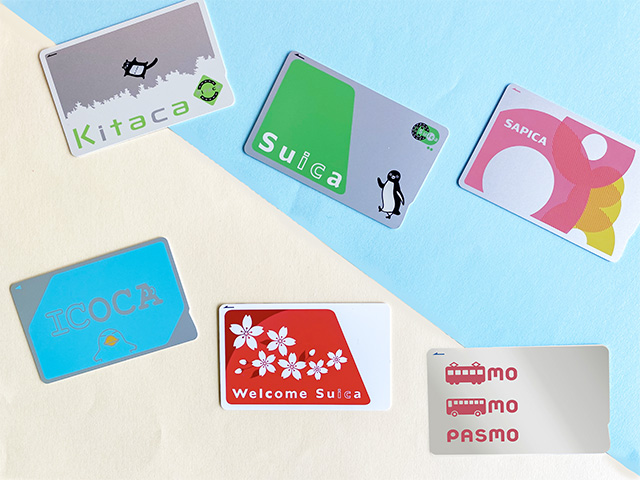
Japan has an amazing transportation infrastructure. But buying a ticket every time you board can be annoying…and expensive.
Instead, pick up an IC card. These cards allow you to preload money and touch in/out of trains and buses.
Why you should get one:
- Prevent overpaying from buying the wrong ticket
- Save time during layovers so you don’t miss budget routes
- They work in multiple cities
Don’t overlook how much this tiny card will upgrade your travels.
3. Only Buy a Japan Rail Pass if It Makes Sense
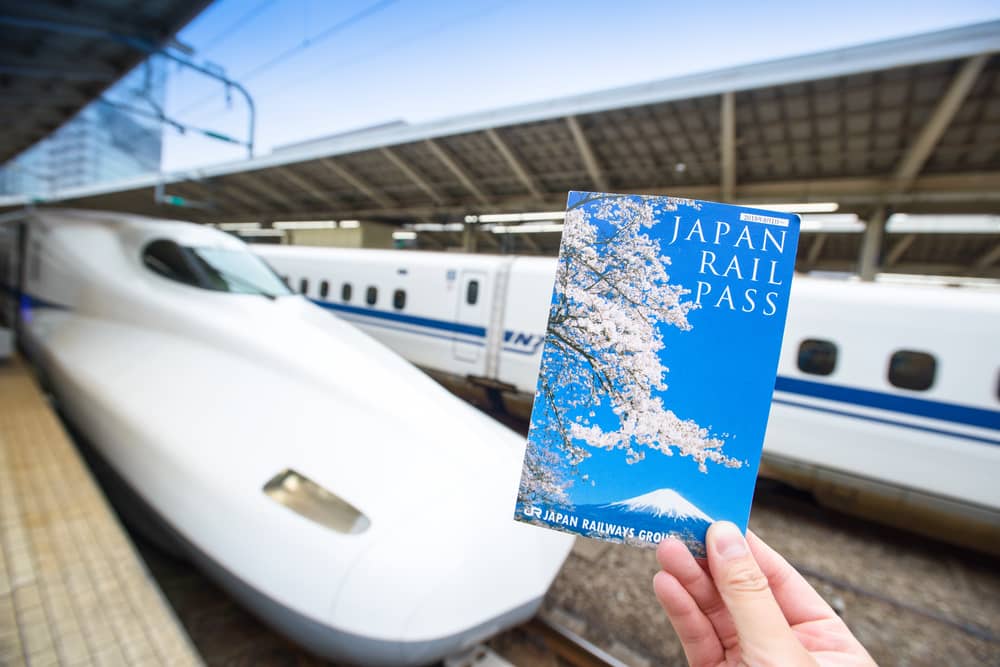
Once upon a time, buying a Japan Rail Pass was a no-brainer. These days? Not so much.
Japan Rail Passes have gotten more expensive in recent years. In many cases they are no longer the cheapest way to travel.
Quick hack:
If you plan on taking the Shinkansen between 2-3 cities, do the math. It may be cheaper to purchase individual tickets.
Should you get a JR Pass?
- If you plan to travel long distances between multiple cities.
- If you are taking multiple Shinkansen trips in a short period of time.
Don’t get a JR Pass:
- If you plan on spending most of your time in 1 city.
- If you only need to take 1 Shinkansen ride.
Trust me, do the math before blindly purchasing a JR Pass.
4. Stay in Business Hotels or Budget Chains
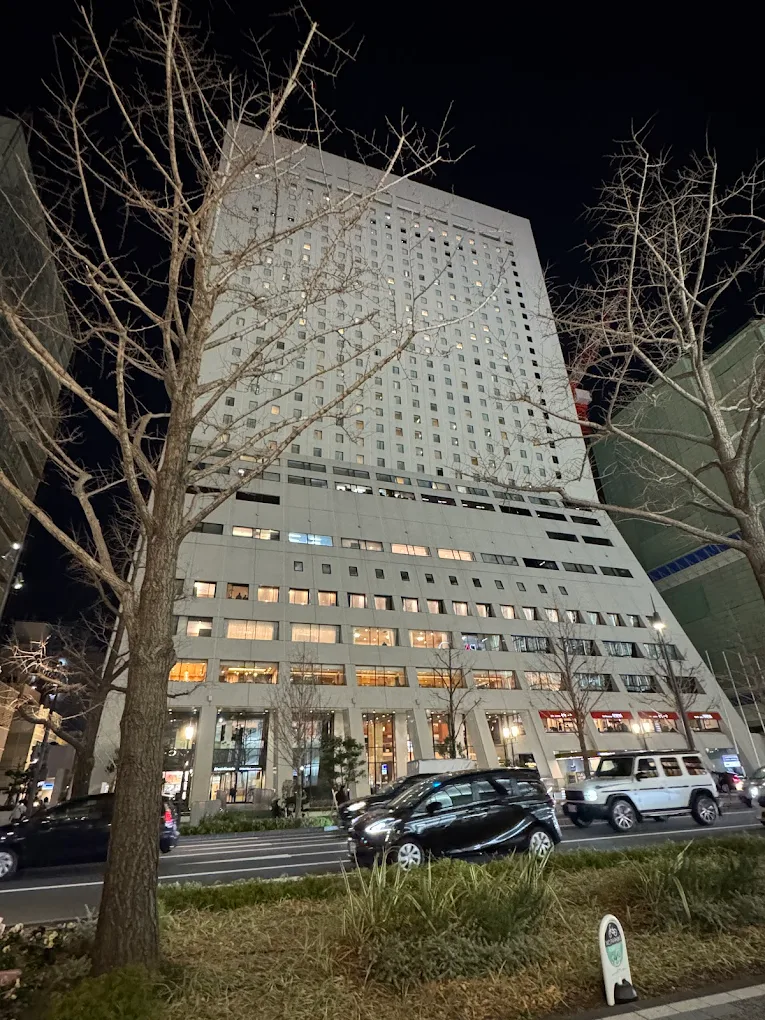
Need a place to crash that doesn’t break the bank? Japan is your go-to destination.
Japan has some of the best value-for-money accommodation in the world. All you need to know is where to stay.
My favorite places to look are budget chains like business hotels.
APAs, Toyoko Inns, and Super Hotels are clean, well-organized places with great locations.
Other perks:
- Rooms are modern and well designed
- Great locations near stations
- Quality is consistent no matter the city
If you are traveling with family, look for business hotels with 2 Queen setups. You will often get more space for less than booking multiple singles.
5. Eat Like the Locals, Not a Tourist
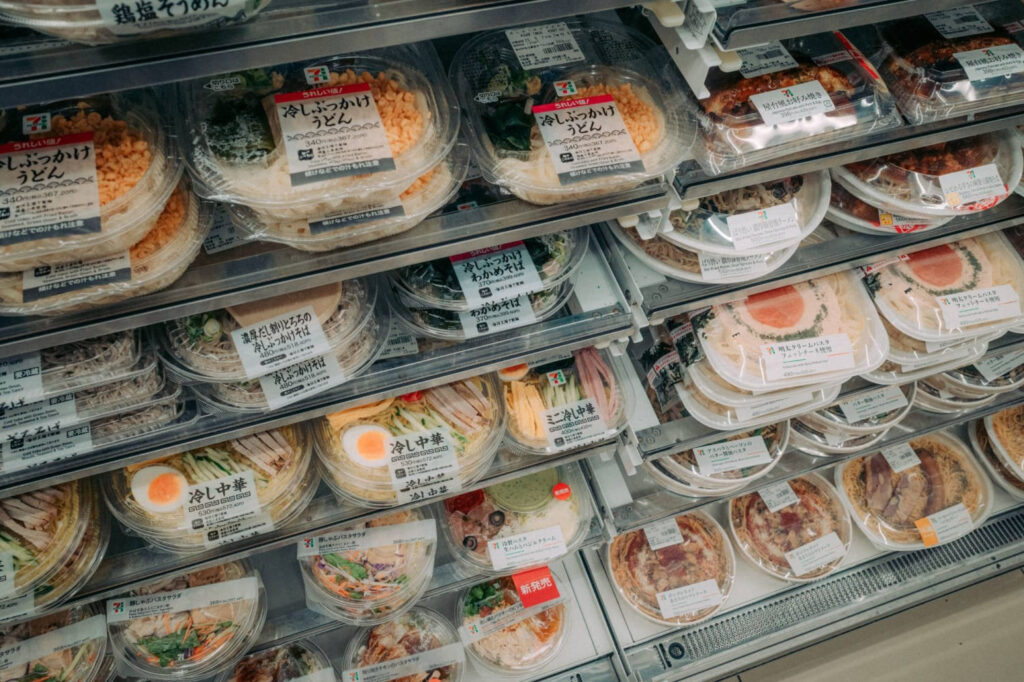
Spoiler alert: food in Japan doesn’t have to be expensive.
Some of my cheapest meals were also some of the best. Skip eating at overly touristic restaurants all day long.
Eat like a local by:
- Stopping by convenience stores (7-Eleven, Lawson, FamilyMart)
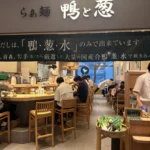
- Finding local ramen spots
- Checking out department store food halls (depachika)
I can get a solid meal from a convenience store for cheaper than I can get coffee back home. Don’t believe me? Check out my guide on the best things to buy at a Japanese convenience store.
Bonus tip: go to supermarkets in the evening. Many supermarkets mark down food before closing.
6. Use Attractions That Are Free
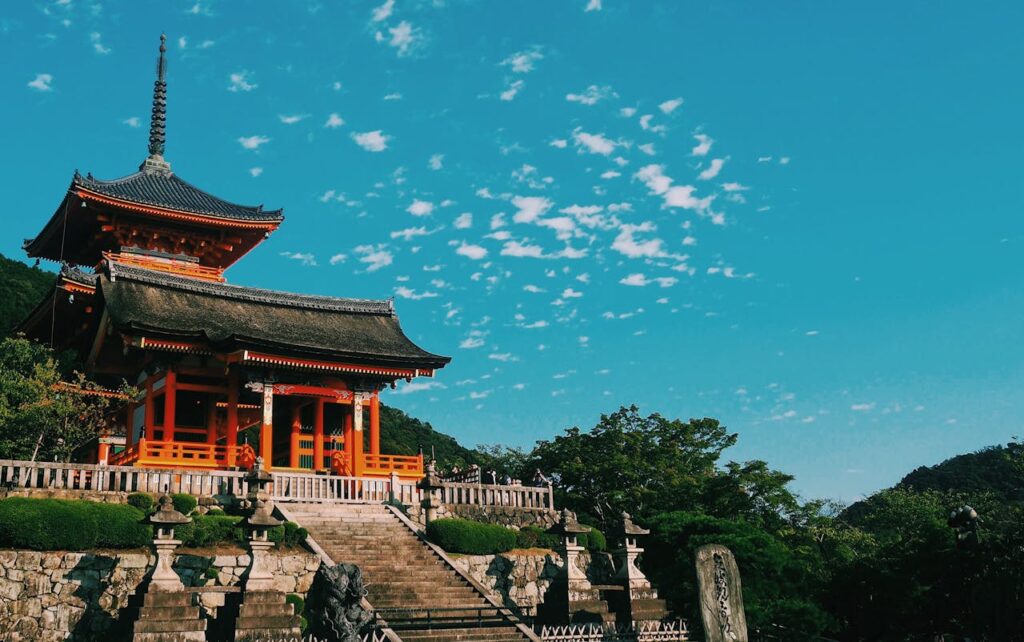
This one should come as no shock. But did you know that there are plenty of free activities to do in Japan?
Some favorites of mine are:
- Exploring old districts
- Checking out local parks
- Visiting temples with no entrance fee
- Checking out free observation decks to see the city
Speaking of observation decks. Japan has some of the best ways to stretch your dollar.
7. Travel Light and Avoid Extra Fees

Trust me when I say that Japan is not the friendliest country when you have a lot of luggage.
If you can, travel as light as possible. You’ll thank me later when you are:
- Ascend and descend endless stairs in Tokyo
- Hangout your sweaty suitcase on a crowded train
- Slow everyone down during quick transfers
Speaking of bags. If you need to check a bag, use luggage delivery services (takkyubin). It’s super cheap and you won’t have to carry your luggage through multiple transfers.
8. Invest in Day Passes and Regional Travel Discounts
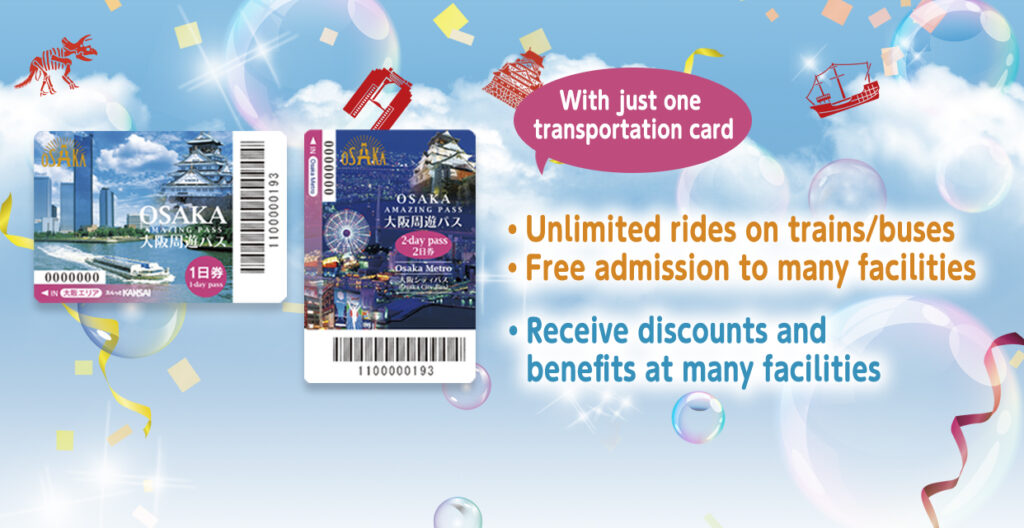
Japan has awesome city passes that give you unlimited access to transportation.
Tokyo Metro has a day pass you can pick up at any station. Another great option is the Osaka Amazing Pass.
Day passes can be great if you know your route for the day.
Plot your course ahead of time. If you only take a couple train rides, you might not benefit from a day pass. But if you are criss-crossing the city, it can end up saving you time and money.
9. Shop Tax-Free and Learn the Ins and Outs
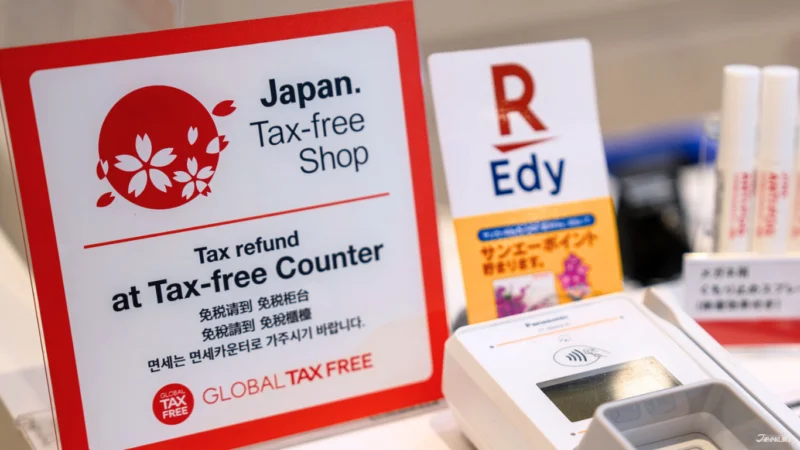
Japan is one of those countries that offers tax-free shopping for international tourists. But most people don’t even know this is a thing.
If you spend over a certain amount at certified stores, you can get tax refunded to you.
Note: Usually 10% consumption tax.
Tips:
- Bring your passport with you.
- Look for stores with “Tax Free” signs.
- Small gadgets can often be taken off the shelf. Electronics and cosmetics will require the receipt from the store you purchased from. Some items must remain unopened until you depart Japan.
If you’re looking for a good deal on electronics, cosmetics, or as souvenir gifts, learn the tricks to shopping tax-free in Japan.
10. Visit During the Off Season
Source: Flickr
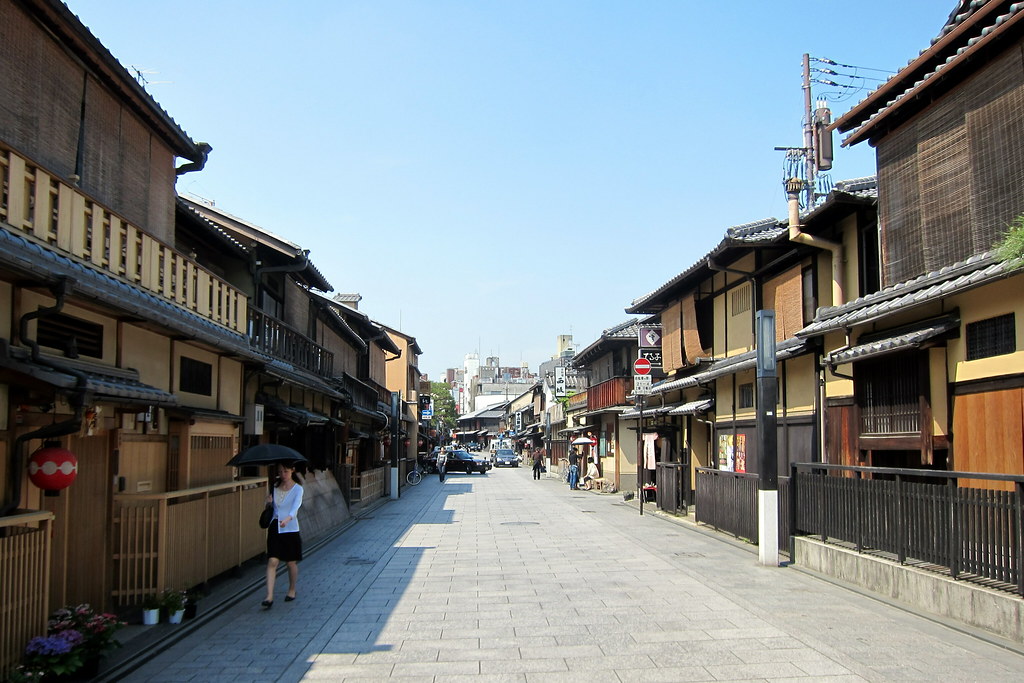
When is the best time to visit Japan? Whenever you can get the best value for your money.
Japan’s high seasons are during:
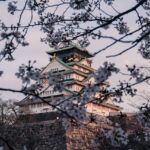
- Cherry blossom season (late March – early April)
- Golden Week (late April- early May)
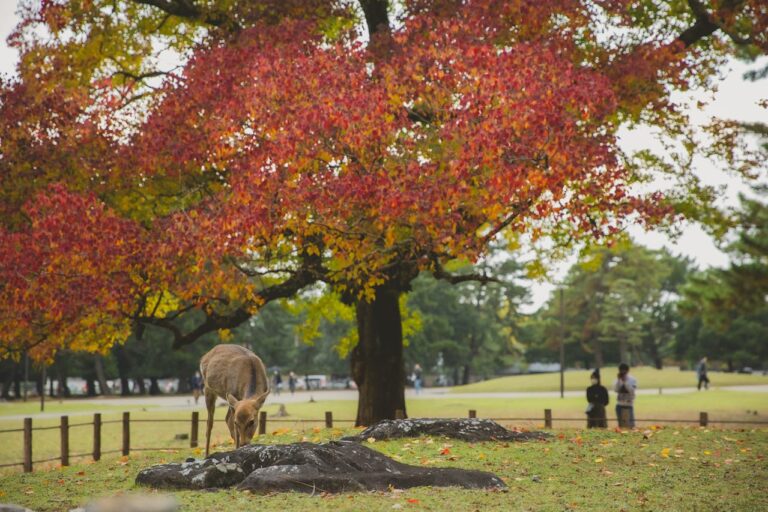
- Autumn colors (November)
Flights and accommodations are more expensive during these seasons. If you are looking to score some serious deals, avoid visiting during these times.
Counter times to visit Japan:
- Late February to early March
- Late May (after Golden Week)
- Early December
You can still have an amazing experience in Japan and spend way less.
Japan Travel Hacks: Final Words
Japan can be an expensive country if you let it. But after traveling throughout Japan and implementing these hacks, I have come to one realization.
Japan isn’t that expensive.
Yes, some items will cost you an arm and a leg. But if you know where your money is going, you can travel Japan like a local.
Where does your money go?
- Transportation
- Accommodation
- Food
- Attractions
Chop away at each of these categories and you will start saving money in no time.
I know traveling Japan properly takes some effort. But the more you dig into how everything works, the more you will save.
Hope these Japan travel hacks help you out next time you visit!








Leave a Comment