
Japan is widely regarded as one of the world’s greatest food destinations. From sushi counters tucked away inside local train stations to cramped late-night noodle shops stuffed into tiny alleyways, food is an essential part of any traveller’s experience.
Unfortunately, ramen can be stressful for many Muslim travellers visiting Japan.
You spot a hole-in-the-wall ramen shop on your stroll through Tokyo and are instantly greeted by the mouth-watering aroma. There’s a line out the door. Everyone inside is slurping noodles like speed-demo contestants. Steam is billowing from every corner. Then the dreaded thoughts begin:
“Wait, can I even eat this ramen?”
Traditionally, ramen in Japan is not halal. Pork broth is commonplace, alcohol-based seasonings are used regularly, and even “normal” toppings can be cooked with mirin or contain other non-halal ingredients.
The great news is that halal ramen options in Japan have come a long way in the past 10 years.
These days you can find delicious halal-certified and Muslim-friendly ramen options scattered across major cities like Tokyo, Osaka, Kyoto, and more. Some places even go the extra mile by catering exclusively to Muslim travellers and offering halal certification, prayer spaces, and English menus.
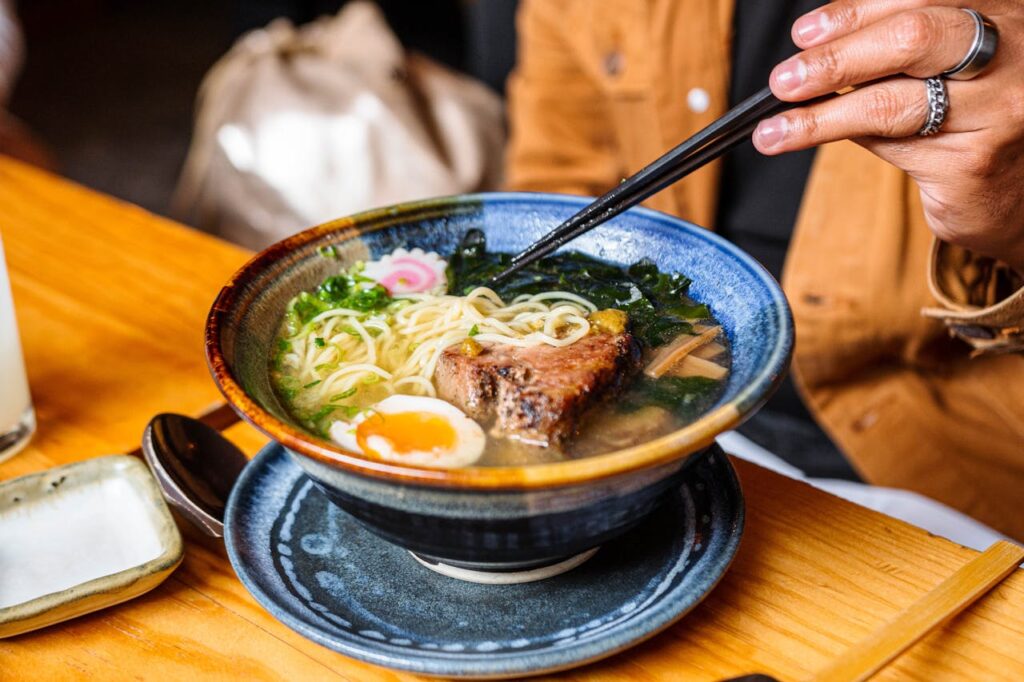
In this post, I’ll walk you through:
- The reality of why ramen is not halal
- What makes a restaurant truly halal vs Muslim-friendly
- The best places to find halal ramen in Japan
- Tips for Muslim travellers looking to eat in Japan
- What to realistically expect as a Muslim traveller visiting Japan
- Why Traditional Japanese Ramen Is Usually Not Halal
- The Difference Between Halal-Certified and Muslim-Friendly Ramen
- Why Halal Ramen Has Become Much Easier to Find in Japan
- What Halal Ramen in Japan Actually Tastes Like
- Best Cities in Japan for Halal Ramen
- Recommended Halal Ramen Restaurants in Japan
- How to Find Halal Ramen While Traveling Around Japan
- Realistic Challenges Muslim Travellers May Still Face
- Is Halal Ramen in Japan Expensive?
- Frequently Asked Questions
- Final Thoughts
Why Traditional Japanese Ramen Is Usually Not Halal
Before you learn about halal ramen in Japan. Let’s take a look at how regular ramen is traditionally prepared:
Noodles combined with flavorful toppings is just one part of ramen. Japanese ramen shops often center their menu around the broth. To make this broth, many ramen restaurants will simmer for hours ingredients such as:
- pork bones
- pork fat
- chicken carcasses
- seafood stock
- soy sauce tare
- fermented seasonings
Tonkotsu ramen – a popular style originating from Fukuoka, Japan – is made by boiling pork bones for hours until the broth takes on a creamy texture.
In addition to the broth, many ramen restaurants will use non-halal ingredients in:
- chashu pork slices
- ramen oils
- seasoning sauces
- marinated bamboo shoot
- soft-boiled eggs
- dumpling fillings
Cooking ingredients that contain alcohol such as mirin and sake are also extremely common in Japanese cuisine.
This is why many restaurants that say they are “pork-free” are not necessarily halal.
A restaurant can be completely free of pork yet still use alcohol-based ingredients or meat from non-halal sources.
As a reminder for our Muslim travellers from countries like Malaysia, Indonesia, Singapore or Brunei. These countries have a strong understanding of halal and it is integrated into every part of life.
The Difference Between Halal-Certified and Muslim-Friendly Ramen
When you google halal food Japan, there are usually two terms that are used to describe these establishments:
Halal-Certified
Restaurants that are halal-certified generally:
- Use halal-certified meat
- Do not serve pork
- Do not cook with alcohol
- Prepare their foods following halal standards
- Checked and validated by halal organizations
Halal certified restaurants are often your safest bet when traveling as a Muslim looking for that stricter adherence.
Halal organizations in Japan include:
Muslim-Friendly
Muslim friendly restaurants take it a step down.
Restaurants that are muslim-friendly may:
- Not serve pork
- Serve seafood broth or chicken based broth
- Omit alcohol from their recipes
- Be transparent with their ingredients
- Make an effort to cater to Muslim travelers
However, they may use the same kitchen or cooking utensils that had non-halal products.
Some Muslim travelers have no problem eating at these places, where others will only eat at halal-certified places. Totally up to you! 🙂
Why Halal Ramen Has Become Much Easier to Find in Japan
Ten years ago, it was really hard to find halal ramen in Japan.
Muslim travelers would visit maybe one or two restaurants in Tokyo that had halal ramen. Most travelers just lived off seafood curry or convenience store food or Indian restaurants their entire visit.
Times have changed…
Tourism exploded in Japan. Visitors from Muslim-majority countries started flocking to Japan in greater numbers, including:
- Indonesia
- Malaysia
- Singapore
- UAE
- Saudi Arabia
Slowly the hospitality industry started catching on…
Hotels began providing things like:
- Prayer rooms
- Halal breakfast
- Qibla directions
- Muslim menus
Halal restaurants also started popping up in popular cities.
You can find halal ramen shops in Tokyo. Osaka now has halal wagyu restaurants. Kyoto has many Muslim-friendly cafes around popular temples. You can even find better halal food options at some airports and train stations.
Japan will never be as halal-friendly as Kuala Lumpur or Singapore, but it has gotten SO much better over the last few years.
What Halal Ramen in Japan Actually Tastes Like
Halal ramen isn’t authentic because it doesn’t use pork.
There is this misconception.
…and believe me, some halal ramen spots in Japan are downright impressive.
They substitute tonkotsu broth with halal alternatives like:
- chicken paitan broth
- beef broth
- seafood broth
- spicy miso broth
- vegetable-based broth
Some places will go to GREAT lengths to replicate that creamy tonkotsu flavour using halal-only ingredients.
It can be mind-blowing.
I know because many Muslim travellers to Japan are stunned by how good halal ramen has gotten. Some shops even prioritize craftsmanship because they know Muslim travelers have pretty high expectations after trying (and failing) to find halal Japanese cuisine wherever they go.
Best Cities in Japan for Halal Ramen
Tokyo
Without a doubt Tokyo has the easiest availability of halal food overall.
Districts such as:
- Shinjuku
- Shibuya
- Asakusa
- Ueno
- Akihabara
etc. are continuing to see more Muslim-friendly restaurants pop up.
Muslim travellers will also have their first taste of halal ramen in Tokyo most likely.
Personally, I find Tokyo to be convenient since many halal ramen shops are near train stations/tourist attractions. So you can easily work it into your sight-seeing.
After you visit Senso-ji Temple or Shibuya Crossing, there are convenient halal places nearby.
Osaka
Osaka is known for its food so this should come as no surprise. However, they too have options that are growing for Muslims to dine.
- Dotonbori
- Namba
- Nipponbashi
These areas are very convenient for Muslim travellers.
Food in Osaka also tends to have more of a street food vibe. Which some people might prefer over Tokyo.
Kyoto
Kyoto has some halal ramen options but not as many as Tokyo or Osaka.
However, with Kyoto popular among international tourists. There are Muslim specific restaurants popping up near the major tourist areas.
You can also find vegetarian-friendly meals here which may help when there are limited halal options.
Fukuoka
Fukuoka is known for tonkotsu ramen which is made with pork broth.
Strangely enough, this has led to some restaurants trying to become more creative with halal alternatives.
That substitute the pork broth with chicken to mimic that same rich texture.
Halal ramen options are limited but slowly improving.
Recommended Halal Ramen Restaurants in Japan
Ayam-ya Halal Ramen Tokyo
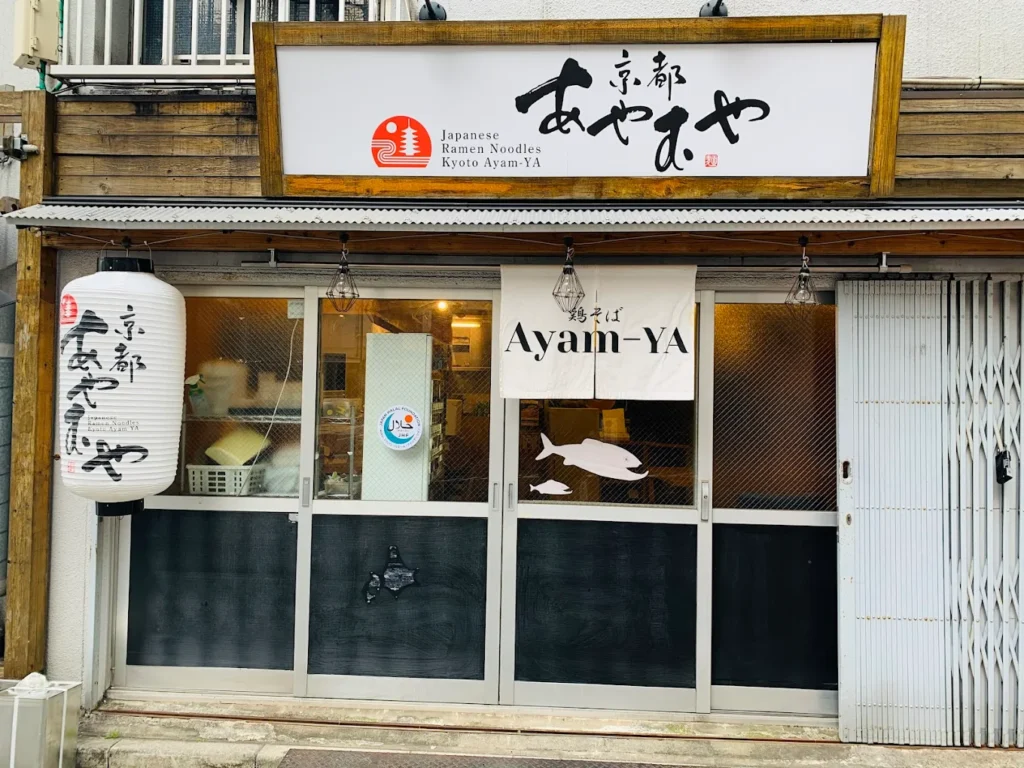
Address: Japan, 〒111-0041 Tokyo, Taito City, Motoasakusa, 3 Chome−10−3 シャトー元浅草
Ayam-Ya is likely one of the most commonly suggested halal ramen places for Muslim travellers in Japan.
Made with halal ingredients, their ramen places emphasis on chicken broth. It tastes decadent but not too heavy.
Popular with travellers as well:
- Menus in English
- Muslim-friendly staff
- Locations near tourist spots
Ayam-Ya is also well known for their fried chicken sides.
Halal Ramen Honolu
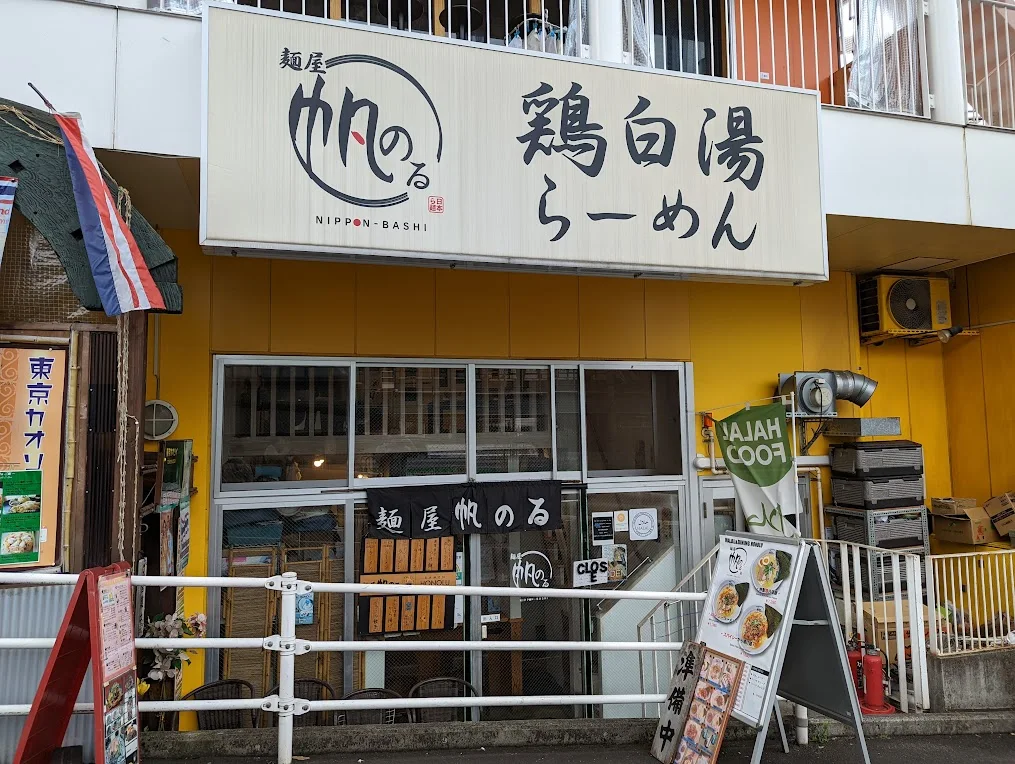
Address: Japan, 〒150-0022 Tokyo, Shibuya, Ebisuminami, 1 Chome−23−1 1F
Honolu Ramen gained popularity because it was one of the first halal ramen chains customers learned about online before traveling to Japan as Muslim travelers.
Honolu Ramen also generally has a more oily, heavy broth rather than a lighter shio style broth.
Additional prayer rooms are offered at some locations, which is actually quite convenient after hours of walking around Tokyo.
HALAL WAGYU RAMEN SHINJUKU-TEI Gion Kyoto
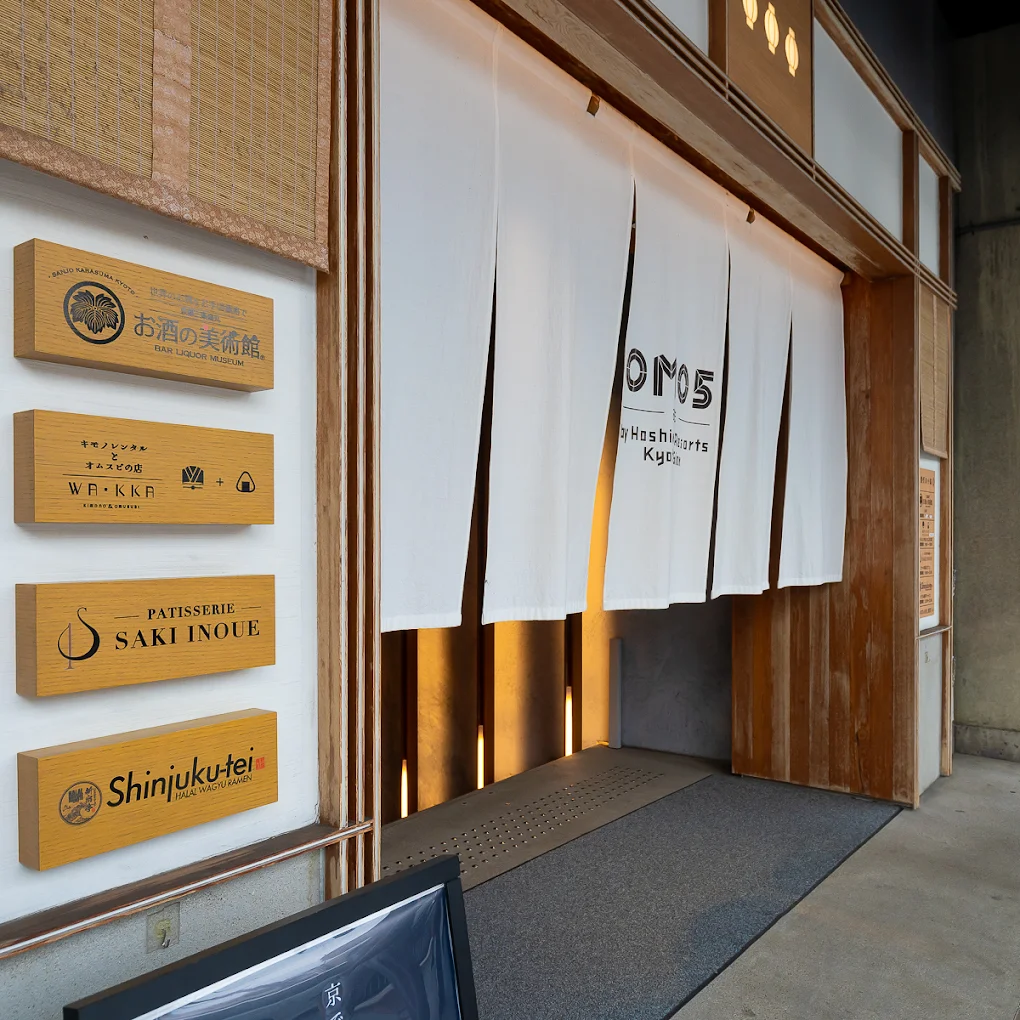
Address: Japan, 〒605-0073 Kyoto, Higashiyama Ward, Gionmachi Kitagawa, 288 四条通祇園ビル B1F D 区画
HALAL WAGYU RAMEN SHINJUKU-TEI is located in Kyoto’s iconic Gion district. It has become one of the more popular halal ramen shops among Muslim travelers in Japan.
Instead of utilizing a chicken-based broth like most halal ramen restaurants do, this shop specializes in halal wagyu beef ramen. The broth is definitely richer and decadent than your typical halal ramen shops that serve a lighter broth but it is still beginner-friendly if you’re new to Japan.
The atmosphere is also a bit nicer than eating at a small traditional ramen shop with a tiny counter. Some travelers may feel more comfortable here. English menus are typically provided, and staff are accustomed to serving tourists.
The specialty here is of course their halal wagyu ramen. But lots of travelers order side dishes such as:
- halal wagyu rice bowls
- gyoza
- karaage chicken
Please note that this place is trending online now so the lunch and dinner rushes can be quite busy, particularly during the cherry blossom and leaf peeping season. If possible, try to come a little before or after typical meal times.
Kyoto Engine Ramen
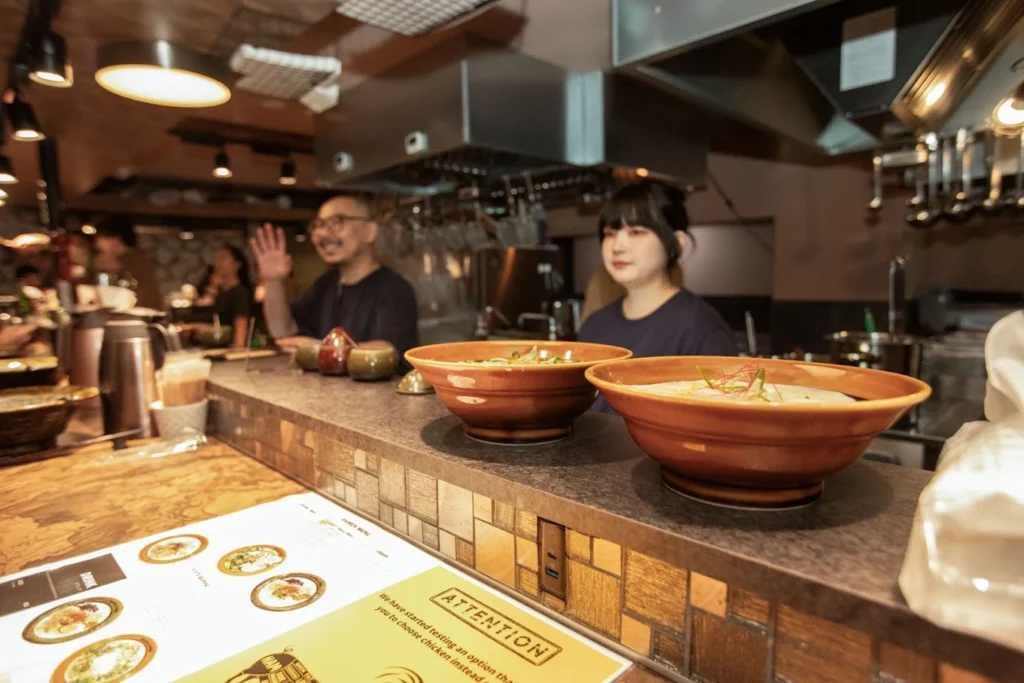
Address: 580-2 Nakanocho, Nakagyo Ward, Kyoto, 604-8042, Japan
Kyoto Engine Ramen is well-reviewed for halal ramen as well as vegan ramen.
The restaurant caters to tourists and commonly shows up on lists of Muslim itineraries through Kyoto.
People also seem to enjoy their spicy ramen options.
How to Find Halal Ramen While Traveling Around Japan
Halal restaurants sometimes aren’t apparent while strolling.
Japan doesn’t have halal signs on every corner like some southeast Asian countries.
These couple things come in clutch.
Download Halal Food Apps Before Your Trip
Recommended apps are:
- Halal Navi
- Muslim Pro
- HappyCow
- Google Maps
Google Maps reviews can be surprisingly helpful too. Muslim travelers frequently post notes about:
- Halal Certification
- Places to pray
- Ingredient disclosure
- English language assistance
- Local mosques
It’s also helpful to save locations of restaurants offline prior to traveling. Some train stations in Japan have notoriously poor underground reception.
Stay Near Tourist-Friendly Areas
This translates to a MASSIVE difference.
If you’re staying in the vicinity of:
- Shinjuku
- Asakusa
- Ueno
- Namba
- Kyoto Station
You will more often than not find halal food incredibly easily compared to staying in neighbourhood suburbs.
This is something more people realise than first-time visitors may think.
Trust me, when you spend 20,000 steps exploring your day around Japan, you don’t want to be walking for another 45 minutes trying to find halal food for dinner.
Learn a Few Simple Japanese Phrases
Simple sentences like these go a long way.
Some examples:
“Buta niku wa haitteimasu ka?”
(Does this have pork in it?)
“Arukōru wa haitteimasu ka?”
(Does this have alcohol in it?)
“Harāru desu ka?”
(Is this halal?)
Japan is incredibly polite as a whole. The staff may not understand why you don’t want certain things right away but will most likely try their best to accommodate you once you explain you have a dietary concern.
Realistic Challenges Muslim Travellers May Still Face
Halal Food in Japan has come a long way, but it’s best not to lose sight of reality.
In less urban areas finding halal ramen may still be a challenge.
For examples:
- Limited options at train station restaurants
- eating late night is nearly impossible
- Convenience stores don’t offer much
- Restaurants may close early
- No idea what’s in the food
Specifically if you’re visiting:
- Country towns
- Mountain areas
- Small islands
- Inaka ryokans
Foregoing isn’t thrown around much in Japan, preparation is key. It all feels pretty simple once you get into the swing of things.
Is Halal Ramen in Japan Expensive?
Halal ramen can sometimes cost a little bit more than regular ramen.
Common reasons are because:
- Halal ingredients are priced higher
- Meat needs to be imported which is costly
- Additional certification needs to take place
- Halal ramen shops typically cater to a smaller market
However, in comparison to western countries halal ramen in Japan is generally priced at an affordable rate.
Plus given how scarce authentic halal Japanese cuisine used to be – it’s price is worth it to many Muslim travellers.
Frequently Asked Questions
How common is halal ramen in Japan these days?
Very common in popular tourist destinations such as Tokyo and Osaka. Much easier to find nowadays than it was 10 years ago. If you are visiting other areas of Japan, it’s still wise to plan ahead.
Can Muslims eat vegetarian ramen noodles in Japan?
Kinda, but not necessarily.
Vegetarian ramen may still be cooked with:
- Alcohol-based sauces
- Fish stock
- Cross-contamination with non-halal food
Make sure to verify with ingredients list.
Are there any halal ramen cups instant packs in Japan?
Yes. Some grocery stores and specialty halal stores stock halal instant ramen, particularly around popular tourist areas.
Do Japanese Restaurants know what halal is?
They are becoming more knowledgable each year. Particularly in Tokyo, Kyoto, and Osaka. Restaurants that cater to tourists are much more aware of halal these days.
Final Thoughts
Halal ramen doesn’t have to be hard to find in Japan these days.
Muslim travelers can finally experience real ramen in Japan without feeling alienated from one of the country’s most iconic dishes. Whether you find yourself in Tokyo munching on chicken paitan bowls or Osaka slurping your noodles in a Muslim-friendly ramen shop, options are continuously expanding each year.
Here’s the secret.
Plan ahead. Look up restaurants online. Bookmark them on Google Maps. Book accommodations close to tourist areas when possible. Learn some helpful Japanese phrases.
If you do that, you’ll waste less time worrying about where to find food — and more time living Japan like a local (or at least how most travelers dream of doing it): perched on a stool at a quaint ramen shop on a chilly night, steam rising from your bowl of noodles.













Halal Ramen in Japan: Where Muslim Travelers Can Find It