


South Korea is one of the fastest-growing travel destinations in the world — and we aren’t just talking K-drama enthusiasts and K-pop pilgrimages anymore. Increasingly, Muslim travellers from Malaysia, Indonesia, the Middle East, and beyond are all wondering the same question: Is South Korea halal-friendly?
Spoiler alert: the answer is yes — and it’s only getting easier every year.
But the real story is more complicated (and more exciting) than that. South Korea is not a Muslim-majority country, but it sure is trying. In recent years, South Korea has made huge strides toward becoming one of Asia’s most accessible destinations for halal-conscious travellers.
This post covers everything from halal food to prayer facilities to travel tips to help you plan your trip to South Korea with confidence.
Understanding the Halal Landscape in South Korea
South Korea’s Muslim population is still relatively small. However, the tourism industry has taken notice. The Korea Tourism Organization (KTO) has implemented a systematic, tiered programme to promote halal tourism for over ten years now.
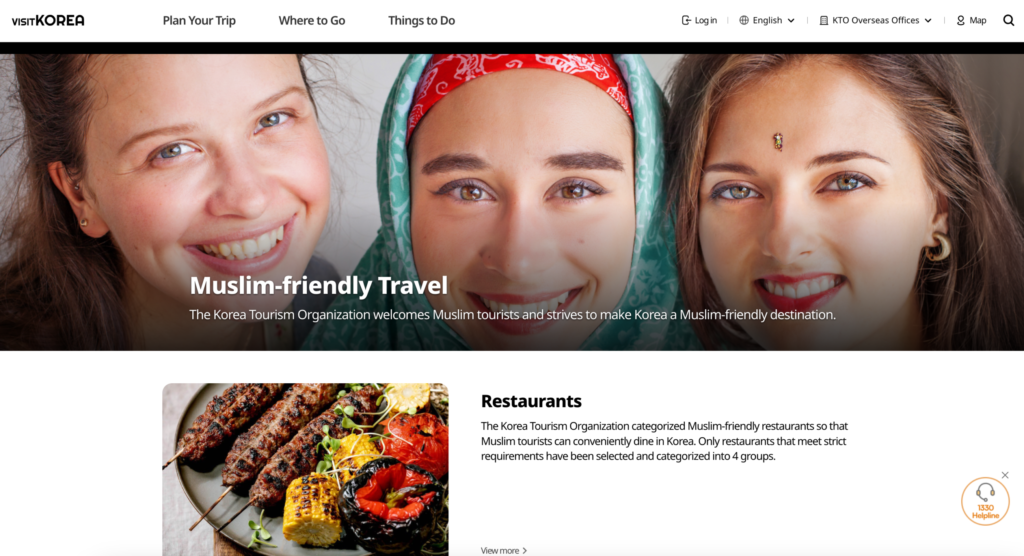
KTO’s most impactful move for Muslim travellers has been its official restaurant classification system. Restaurants can fall into one of these four categories:
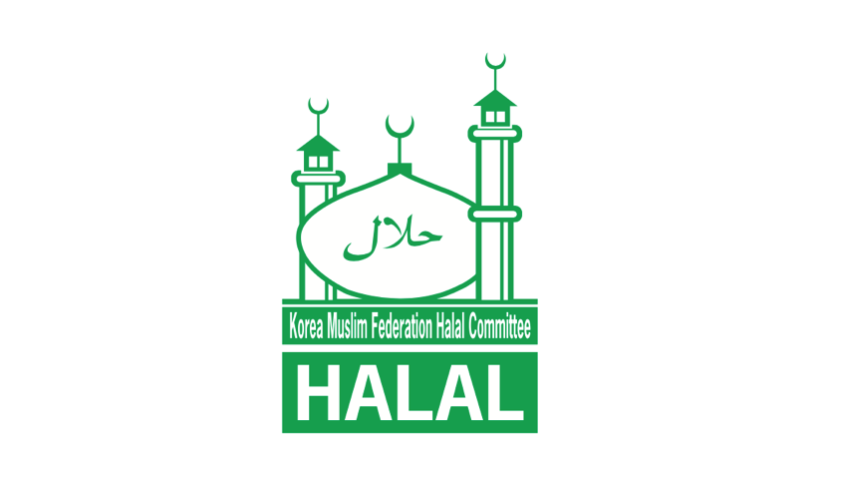
- Halal Certified – Certified by an approved agency like the Korea Muslim Federation (KMF)
- Self-Certified – Not officially certified, but owned and operated by Muslim proprietors
- Muslim-Friendly – Muslim-friendly dishes on the menu, but may serve alcohol
- Pork-Free – Restaurant serves no pork-based dishes
Muslim travellers can easily filter their search results based on these categories to decide what they’re comfortable with eating. Restaurants can apply for these designations themselves and KTO inspectors verify their claims. This designation system has streamlined the process for Muslim travellers to find food they can trust. It also widens options, as around 75% of KTO registered halal or Muslim-friendly restaurants are located outside of Seoul.
Halal Food in South Korea: Where and What to Eat
Asia’s powerhouse city has become a haven for Muslim foodies. One neighbourhood in particular — Itaewon — quickly became known as ground zero for Muslim travellers. Halal restaurants, Muslim-run grocers and bakeries, Islamic bookstores, and everything in between can be found in this multicultural district.
Itaewon is home to Seoul Central Mosque, the largest mosque in South Korea. At the mosque, you’ll find weekly Muslim community events and group tours of the city.
Restaurants serving halal versions of popular Korean foods can be found within and around Itaewon:
- Bulgogi (grilled marinated beef)
- Bibimbap (mixed rice bowl)
- Samgyetang (Korean ginseng chicken soup)
- Japchae (Korean glass noodles)
- Tteokbokki (Korean spicy rice cakes)
Halal variants of all these dishes can be found in Myeongdong and Itaewon. As one of the most tourist-heavy (and delicious) neighbourhoods in Seoul, you will never run out of unique eats to try.
You can even find Middle Eastern, Turkish, Indian, and Pakistani food here. Every restaurant in Itaewon specialised in cuisines other than Korean is halal-certified by KMF.
Muslim travellers can venture outside of Itaewon and still find halal restaurants and delicious cuisine. Neighbourhoods that have developed large Muslim populations due to their proximity to universities include Myeongdong, Gangnam, and Hongdae. Visit these neighbourhoods to find:
- Seafood and vegetable stalls with several halal-friendly options in Myeongdong — try Busan Jib Halal for amazing Korean-style seafood
- Yang Good BBQ — consistently ranks as one of Seoul’s best halal Korean lamb BBQ restaurants
- Halal-cart-style meats in Gangnam
- Bubble tea and bakeries in Hongdae
- Indian and Pakistani cuisine — ALL of the restaurants here are halal-certified by KMF if you find yourself craving some familiar flavours between Korean culinary adventures.
Look for restaurants with the official KMF halal certification logo. Convenience stores like CU and GS25 even sell pre-packaged KMF-labelled halal cup noodles for when you get those late-night cravings.
Halal Restaurants in Busan and Beyond
South Korea’s second-largest city comes in a close second to Seoul for halal food options. Busan is home to Masjid Al-Fatah Busan and hosts a steadily increasing number of halal restaurants and cafes around the city centre.
Locations near Korea’s beaches Haeundae and Gwangalli are also developing more halal restaurant options to cater to international tourists.
Restaurants we recommend in Busan:
- Indian-Pakistani cuisine in Haeundae
- Halal versions of Korean classics like bulgogi and kimchi jjigae at local Muslim-owned Korean restaurants
- Seafood-centric restaurants will likely have many halal-friendly options by default
Jeju Island now also hosts halal restaurants that cater to Muslim travellers from Southeast Asia and the Middle East. When in Jeju, be sure to try:
- Haemul Pajeon (seafood pancake)
- Halal mandu (Korean dumplings)
Explore every corner of Korea to find hidden gems wherever you travel. Visit traditional markets for delicious vegetarian dishes and Korea’s restaurants continue to wow diners with creative seafood dishes that are halal-by-default.
Prayer Facilities: Can You Pray Comfortably in South Korea?
Praying while on the go is often travellers’ biggest concern. Muslim-friendly South Korea has plenty of options to cater to your prayer needs.
- Seoul Central Mosque (Itaewon) — Seoul’s Central Mosque is the largest mosque in South Korea. In addition to Friday prayers, they hold weekly community events in multiple languages such as Arabic, Korean, and English.
- Incheon International Airport — prayer rooms are located in both Terminal 1 and Terminal 2. Prayer rooms are well signposted, so you can pray on your way in or out of Korea.
- COEX Mall (Gangnam) — Visit the SM Town building in COEX Mall to find a prayer room on the fourth floor.
- Lotte World and Dongdaemun Design Plaza (DDP) — Both complexes have designated prayer rooms. Look for signs at the information desk when you arrive.
- N Seoul Tower — Ask staff to point you towards the prayer facilities.
Islam doesn’t typically recognise a separation between mosque and prayer room, which leaves many hotels with limited or shared facilities. In these instances, KTO has worked with hoteliers to distribute complimentary prayer mats and Qibla compasses to any establishment with multi-faith prayer rooms or dedicated Muslim prayer spaces.
Korea’s Government Official Commitment to Muslim Travellers
South Korea has found success in part by looking at countries like Malaysia and taking notes. Muslim travellers from Malaysia and Indonesia make up around 5% of Korea’s annual tourist spend. That number is expected to increase tenfold in the coming years.
Government Initiatives:
- Korea Tourism Organization’s Muslim-Friendly Tourism Programme – Restaurants are officially classified by KTO inspectors and stakeholders; KTO distributes prayer facilitation kits to hotels with prayer rooms, mosques, and multifaith centres; provides training for tour guides and travel agents to familiarize themselves with Muslim tourists.
- Business incentive programmes – To encourage tourism from Muslim-majority countries, Korean tourism authorities provide perks for restaurants and hotels that introduce dedicated prayer spaces and obtain halal certification.
- Halal Korea positioning – Halal tourism used to be treated as a niche industry in Korea. KTO is now actively branding Korea as a halal-friendly destination for Muslim travellers.
While each of these components is important, none would matter if South Korea’s government and local communities weren’t actively fighting to change stereotypes about non-Muslim-majority countries. Working to make Korea a Muslim-friendly travel destination is part of a wider social progression throughout the country. Not only is Korea becoming more halal-friendly, it’s also becoming a more empathetic and liberal country for Muslims.
Muslim travellers should keep an eye out for new developments in Korean halal tourism. The support of the Korean government has been crucial to expanding Korea’s Muslim-friendly infrastructure — and it’s just getting started.
Practical Tips for Muslim Travellers Visiting South Korea
- Stay itaewon-centric. If your number one priorities are halal food and easy access to prayer facilities, stay in Itaewon or nearby. That way, you’ll be steps away from Seoul Central Mosque, multiple certified halal restaurants, and Halal-friendly grocery stores.
- Download halal restaurant apps. There are a few great apps out there that Muslims use to find halal restaurants and prayer facilities near their location. HalalTrip and Muslim Pro are two of the most popular travellers’ apps. For Korea-specific resources, download Halal Korea Guide and KTO’s official Muslim Friendly Travel portal.
- Preferrable restaurants with the KMF label. Korea’s official halal certification is managed by the Korea Muslim Federation (KMF). When in doubt, seek out KMF-certified restaurants before trying self-certified options.
- Try visiting cities outside of Seoul. Major cities like Busan, Gyeongju, and even Jeju Island are starting to build up their Muslim-friendly reputations as well. While it can be more difficult to find certified halal food the further you travel from Seoul, you’ll have a more authentic travel experience and fewer tourists. Chances are, you will stumble upon some delicious halal Korean food along the way.
- Pork is prohibited. If you struggle to find halal-certified meats, try Korea’s vegetarian and seafood dishes. Korea’s street-food style squid, octopus, and hwachae (fruit punch) are delicious and halal-by-default.
- Learn some Korean. “돼지고기 없이” (dwaejigogi eobsi) literally translates to “without pork.” While menu literacy is helpful, showing the staff this card that explains you can’t eat pork (or pork-based broths) is even better.
Final Verdict: Is South Korea Halal-Friendly?
South Korea will never be perfect. It’s important to maintain intellectual honesty while reviewing destinations as travellers. South Korea is a far, far cry away from the inclusive tourism found in Malaysia, Turkey, or any of the Middle Eastern countries with Muslim-majority populations. Pork is still prominent in Korea’s food culture, and yes, you will need to do some research to find halal food if you’re visiting less popular destinations.
Another drawback of eating at non-certified restaurants is the risk of cross-contamination. Sure, that dish might not have pork in it — but was it prepared on the same pans and cutlery as pork-based dishes? For Muslims who can only eat verified halal food, it’s not worth the risk.
But Korea is getting there. Each year, the Korean government recognises the value of inviting Muslim travellers to experience the wonders of South Korea. Tourism-related spending from Malaysia is expected to increase exponentially as more halal restaurants open, more hotels invest in prayer facilities, and Koreas cities become more connected to Muslim travel circuits.
Is South Korea halal-friendly? For the safety-conscious, always. For the adventurous, sometimes. But if you’ve made it this far, we hope you’ll fall into the latter category.
South Korea stands ready to welcome Muslim travellers with open arms. There is always something new to try in Korea, and the country is constantly improving its efforts to become more inclusive for Muslim travellers.
So go book that ticket to Seoul. Get ready to explore palaces, wear hanboks, and dive into authentic Korean cuisine — without sacrificing your halal diet for any of it. South Korea is waiting for you!

Is South Korea Halal-Friendly? Complete Muslim Traveller’s Guide 2026